- Duration
- 10 days
- Difficulty
- Moderate
- Max Altitude
- 5160 m
- Destination
- Nepal
- Activity
- Trekking
- Accommodation
- Hostels & Guesthouses
- Group Size
- 2
- Transport
- Drive
- Meals
- B.D.L.
- Season
- March - May/September - December
Trip overview
Are you in search of a remote and untouched trek, far from the tourist crowds? Look no further than the Short Manaslu Circuit Trek 10 Days. Although, this challenging adventure will test your physical stamina as you trek for up to 8 hours a day. But remember, no pain, no gain! The breathtaking scenery that awaits you is well worth the effort. Imagine yourself surrounded by towering snow-covered peaks, with Manaslu, the world’s 8th highest mountain, soaring 8,163 meters above the heavens.
The 10 Days Manaslu Circuit Trek is known for its demanding nature, surpassing the physical challenges of both the Annapurna Base Camp and Everest Base Camp. You’ll traverse high alpine passes, including the highest point of the trek, Larkya La Pass at 5,106 meters.
Along the way, you’ll be amazed by the glaciers and the proximity of the massive peaks. Mountains like Mt. Himalchuli (7,893m), Mt. Ganesh Himal (7,422m), and of course, Mt. Manaslu itself will appear so close that you’ll feel like you could touch them. To prepare for the higher altitudes, several days of acclimatization at lower elevations are built into the itinerary.
Highlights of the Manaslu Circuit Trek 10 Days
Breathtaking views of snow-capped peaks, including Manaslu (8,163m).
Traverse high alpine passes, including Larkya La Pass (5,106m).
Close proximity to glaciers and massive peaks like Mt. Himalchuli and Mt. Ganesh Himal.
Remote and untouched trek away from tourist crowds.
Off-the-beaten-track experience with unspoiled landscapes.
Visit the ancient Tibetan settlement of Lho.
Fascinating Larkya-La Pass (5160m)
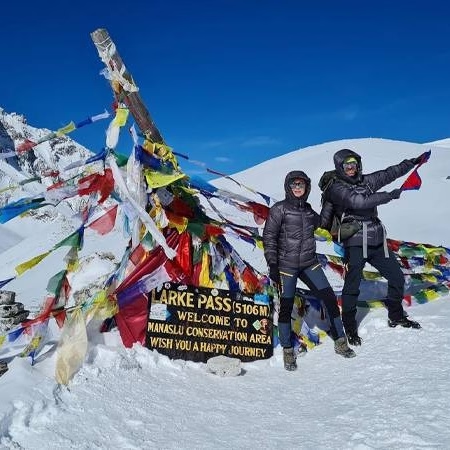
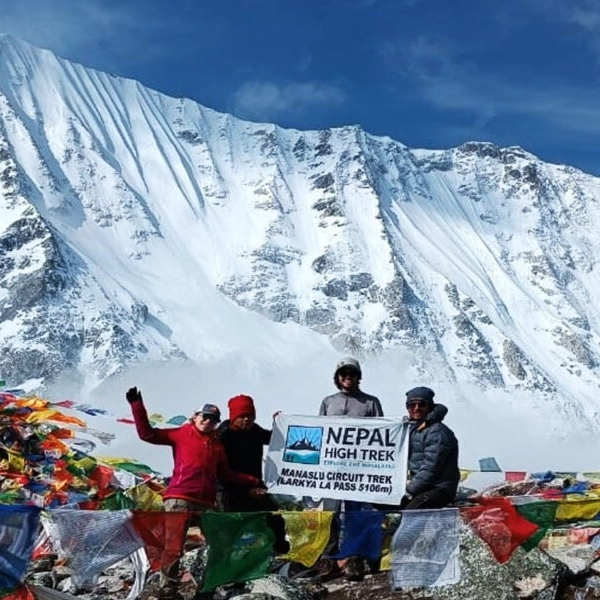
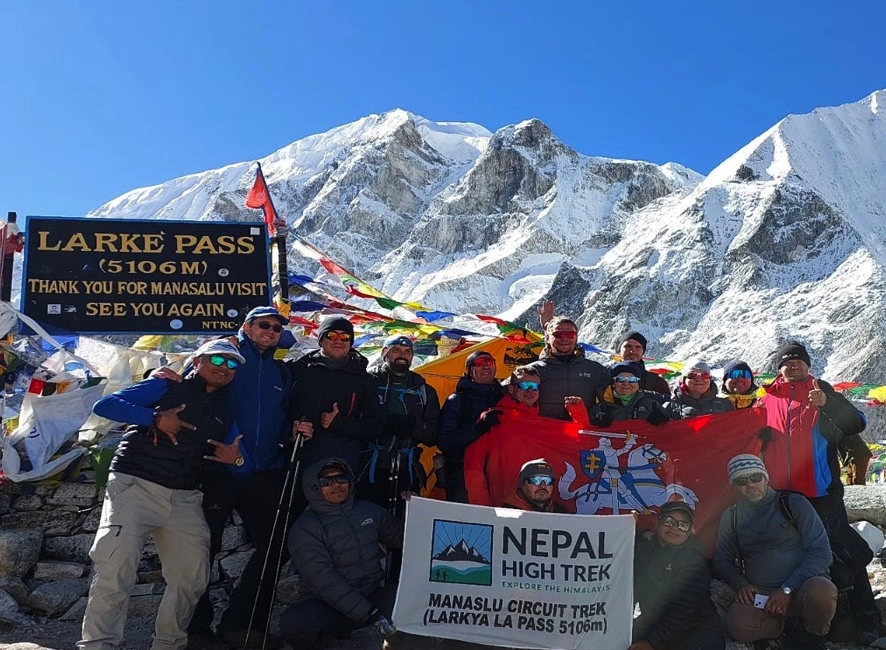
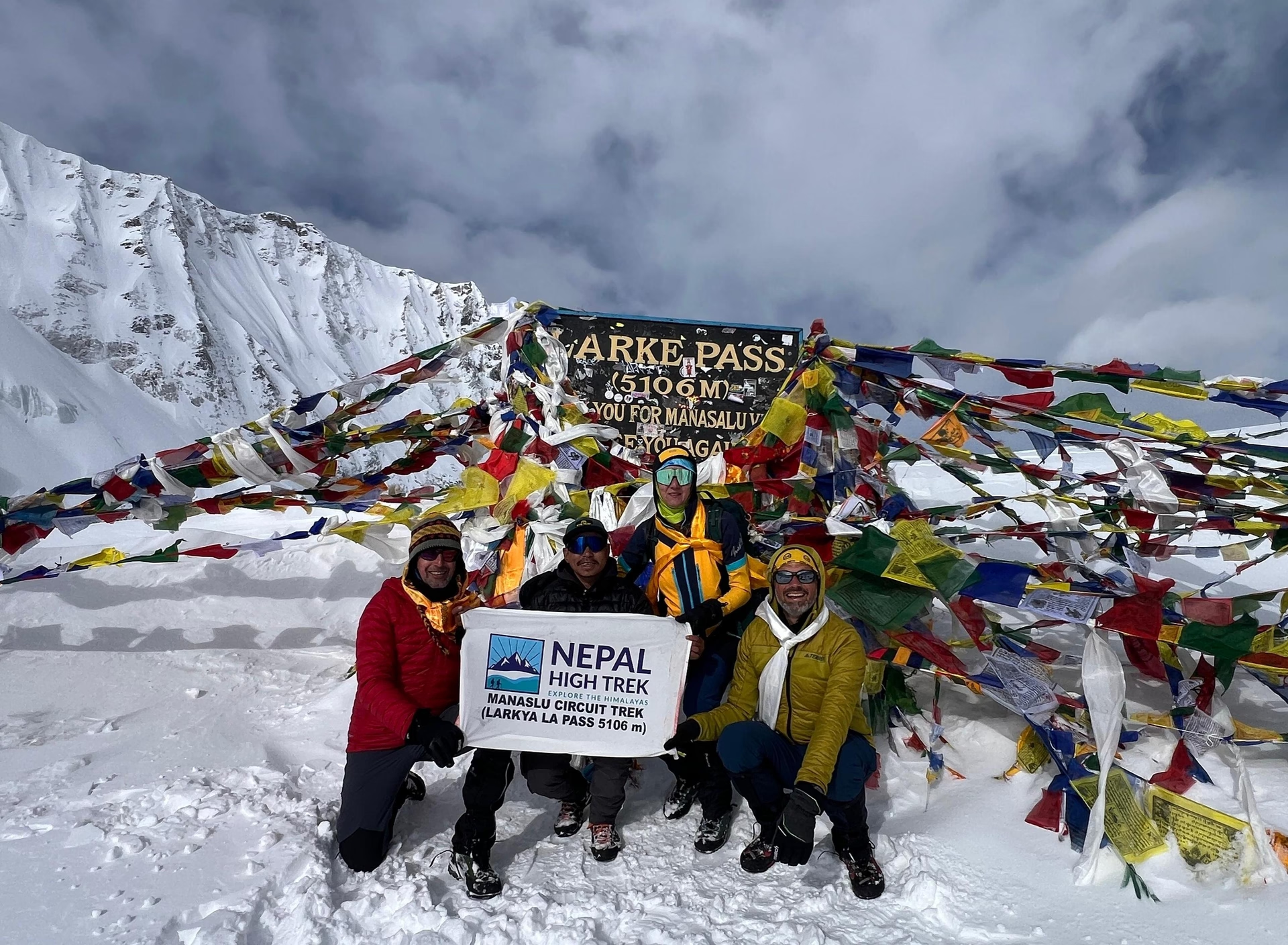
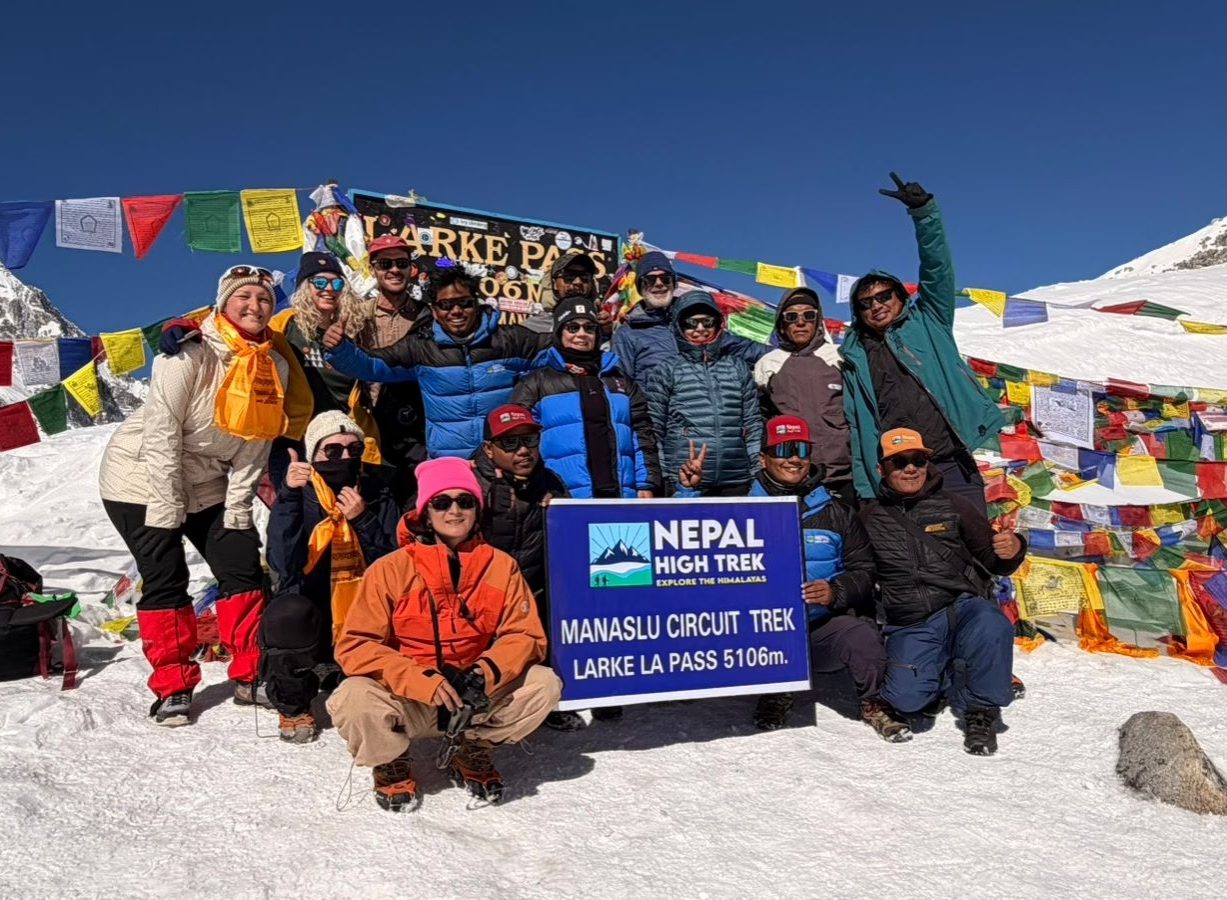
Larkya La Pass is a majestic mountain pass located in the Manaslu region of Nepal, known for its challenging yet rewarding nature. Situated at 5,106 meters (16,752 feet), it offers breathtaking panoramic views of snow-capped peaks like Manaslu. Crossing the pass is a highlight of the Manaslu Circuit Trek, testing trekkers’ physical and mental strength.
It serves as a cultural bridge between the Manaslu and Annapurna regions, allowing for cultural exchanges and insights into local communities. The ascent and descent require careful navigation through rocky terrain and snowfields. Despite the challenges, standing atop Larkya La Pass is a moment of triumph and awe, surrounded by the awe-inspiring beauty of the Himalayas.
Off the Beaten Track in Nepal
The Manaslu Circuit Trek 10 Days is considered “off the beaten track” due to its remote and less frequented nature compared to more popular treks in Nepal. The region was opened for trekking only in 1991 and is classified as a restricted area, requiring special permits for entry.
This limited access helps maintain the untouched and unspoiled beauty of the trail. With fewer trekkers on the route, you can enjoy a more peaceful and serene experience, free from the crowds typically found on other well-known treks. The Manaslu Trek offers authentic cultural encounters with the Nubri and Tsum ethnic communities, who have preserved their traditional lifestyles and customs.
Experience a unique culture and Nature
The scenery is awe-inspiring, taking you through deep gorges, lush forests, terraced fields, and high alpine terrain, with stunning views of Mount Manaslu and surrounding peaks. The remote villages along the trail provide an intimate and genuine experience, as they are not heavily influenced by tourism. Likewise, all these factors combine to make the Manaslu Circuit Trek an off-the-beaten-path adventure, perfect for those seeking a unique and less touristy trekking experience in Nepal.
Your journey will begin in Soti Khola and end in Besisahar. Along the way, you’ll follow the trail that weaves through the picturesque Budhi Gandaki Valley, crossing rivers and reaching the enchanting Pungen Glacier. Your adventure will lead you to the ancient Tibetan settlement of Lho village. Where you’ll be enthralled by the spirituality and rich history of the region.
Best Time of the year for Manaslu Circuit Trek
The best time of year for the Manaslu Circuit Trek is during the spring (March to May) and autumn (September to November) seasons. Besides both seasons are ideal periods to do the trips in the Himalayas of Nepal. These periods offer the most favorable weather conditions, clear skies, and stable trekking conditions. Here’s why:
Spring (March to May)
Mild temperatures and longer daylight hours make for comfortable trekking.
Rhododendron forests along the trail bloom with vibrant colors, creating stunning and picturesque scenery.
Clear skies provide excellent visibility of the surrounding mountains and peaks.
It is the pre-monsoon season, so rainfall is relatively low, reducing the risk of landslides and making the trails safer.
Autumn (September to November)
Pleasant temperatures during the day and cool evenings are ideal for trekking.
The skies are generally clear, offering breathtaking views of the mountains.
The autumn months bring stable weather conditions and minimal precipitation.
The landscapes are beautifully adorned with golden hues as the leaves change colors.
It is the post-monsoon season, ensuring that the trails are well-defined and relatively dry.
Both spring and autumn are considered the peak trekking seasons in Nepal. As well as including the various holidays around the Himalayas in Nepal. During these periods, the trail sees more trekkers, and teahouses and accommodations are fully operational.
While it is possible to trek during the winter months (December to February), the Manaslu region experiences heavy snowfall and extremely cold temperatures. This makes the trek more challenging and less popular, with some tea houses closed due to the harsh conditions.
Lastly, avoiding the monsoon season (June to August) is recommended as the region experiences heavy rainfall, landslides, and leech-infested trails, making it unsafe and challenging for trekking. In addition, Manaslu Circuit Trekking Trail has combined the beautiful Tsum Valley Trek. If you are possible you can extend the trip and discover an isolated area of Tsum Valley.
Itinerary
Itinerary at a glance
| Day | Route | Altitude at destination | Walking | Stay | Meals |
|---|---|---|---|---|---|
| 1 | Kathmandu → Machhakhola | 910 m (2,986 ft) | 7–8 hrs | Guest House | B/L/D |
| 2 | Machhakhola → Jagat | 1,410 m (4,626 ft) | 7–8 hrs | Guest House | B/L/D |
| 3 | Jagat → Deng | 1,860 m (6,102 ft) | 7–8 hrs | Guest House | B/L/D |
| 4 | Deng → Namrung | 2,670 m (8,760 ft) | 7–8 hrs | Guest House | B/L/D |
| 5 | Namrung → Samagaun | 3,570 m (11,713 ft) | 6–7 hrs | Guest House | B/L/D |
| 6 | Samagaun → Samdo | 3,890 m (12,762 ft) | 4–5 hrs | Guest House | B/L/D |
| 7 | Samdo → Dharmasala | 4,455 m (14,616 ft) | 4–5 hrs | Guest House | B/L/D |
| 8 | Dharmala → Bhimtang | 3,700 m (12,139 ft) | 7–8 hrs | Guest House | B/L/D |
| 9 | Bhimtang → Tilje/Besisahar | 760 m (2,493 ft) | 7–8 hrs | Guest House | B/L/D |
| 10 | Besisahar → Kathmandu | 1,345 m (4,413 ft) | 6–7 hrs | Hotel | B/L/D |
Day 1:Drive from Kathmandu to MachhKhola (910m) - (160 km - 9/10 Hrs
Your day will begin early at around 6:30 am, as your knowledgeable guide will pick you up from your hotel to embark on an exciting adventure. The journey to Machhakhola by local bus, is the starting point of the trek. We will take approximately 9 to 10 hours. The first four hours of the road trip will be on smooth, sealed roads, allowing you to relax and enjoy the scenic views along the way. However, as you approach Dhading Bensi (650m), the landscape transforms, and the road becomes unsealed and slightly rough. This section of the journey, leading to Arughat, Soti Khola, and Machhkhola the district headquarters of Dhading district, adds a touch of excitement and anticipation to your trekking experience. Embrace the ruggedness of the road as it sets the stage for the thrilling adventure that awaits you in the Manaslu region.
- 02
Day 2:Trek from Machha Khola to Jagat (1410m) - 20km - 8/9 Hrs
Today's journey along the trail is filled with intriguing landmarks and natural wonders. Our first encounter is with the gushing Machha Khola River, which we confidently cross as we continue on our path. Passing through Khorla Besi (920m), we venture deeper into the captivating surroundings until we reach the renowned Tatopani, famous for its rejuvenating hot springs.
After a refreshing break, we proceed through a serene forested area, where the lush greenery envelops us, creating a tranquil atmosphere. As we ascend to higher altitudes, the vegetation gradually changes, unveiling a new tapestry of flora that captivates the senses. Finally, our footsteps lead us to the charming village of Jagat, a place that holds both beauty and cultural significance. Along the way, take a moment to appreciate the seamless transition in landscapes and the remarkable diversity of nature that accompanies us on this incredible trek.
- 03
Day 3:Trek from Jagat to Deng (1860 m) - 22km 8/9 Hrs
As the sun graces the sky, we begin our day's journey by tracing the trail through the enchanting valley. The path leads us to Sirdibas Village, where a splendid panorama of the majestic Shringi Himal awaits us, captivating our senses with its awe-inspiring presence.
Crossing a suspension bridge, we brace ourselves for a challenging ascent to Philim, surrounded by the melodious symphony of cascading waterfalls adorning the valley's sides. The trail beckons us forward, guiding our steps through the welcoming embrace of Ekle Bhatti and Pewa Village, each exuding their own unique charm. Our adventurous path continues, carrying us beyond the valley's confines, until we finally reach Deng Village.
- 04
Day 4:Trek from Deng to Namrung (2670m) - 21km - 7/8 Hrs
We kick-start our day with an invigorating uphill climb, challenging our lungs and muscles to keep pace. But fear not, for the rewarding views that await us make every step worth the effort. Descending gracefully, we find ourselves tracing the path back to the tranquil embrace of the Budi Gandaki River. Following the trail, we meander through the enchanting valley, passing by quaint settlements that offer glimpses into the local way of life.
As we approach Namrung Village, a delightful sight catches our attention: a multitude of Mani stones, adorned with intricate Tibetan mantras. This serves as a gentle reminder that we are venturing deeper into the heart of Tibetan territory, where ancient traditions and cultural treasures await us.
In the afternoon, we seize the opportunity to embark on a short detour to Prok village, a captivating journey that takes approximately two hours round trip. Along the way, we immerse ourselves in the charm of this hidden gem before retracing our steps back to Namrung, our base for the day.
- 05
Day 5:Trek from Namrung to Samagaun (3570 m) - 21km - 8/9 Hrs
After a satisfying breakfast to fuel our bodies, we embark on a trek that will captivate our senses for the next 6 to 7 hours. The trail unfolds before us, leading us toward the enchanting village of Samagaun. As we make our way, our eyes are treated to breathtaking views of the magnificent Mount Manaslu, a sight that leaves us in awe of its majestic presence.
Along the journey, two significant points grant us panoramic vistas of this awe-inspiring peak. First, in the village of Lho, we pause to soak in the mesmerizing view of Mount Manaslu. Its snow-capped summit stands tall, commanding our attention and reminding us of the grandeur of the Himalayas. Continuing on, we reach Syala, another vantage point that offers us a stunning perspective of this mighty mountain. The breathtaking sight leaves an indelible mark on our memories, a testament to the unparalleled beauty of nature.
- 06
Day 6:Trek from Samagaun to Samdo (3890m) - 9km - 4/5 Hrs
As the morning unfolds, we set out on a picturesque journey, traversing the vast expanse of yak and cattle pastures. The trail leads us across this serene landscape, offering us glimpses of the majestic peaks that surround us, with the iconic Manaslu taking center stage. The panoramic views that unfold before our eyes serve as a reminder of the raw, untamed beauty of the Himalayas.
Continuing our trek, we gradually descend into the valley below, following the path that winds its way through the enchanting terrain. As we make our way forward, the remote Tibetan refugee village of Samdo comes into view, nestled in the embrace of the rugged mountains. This village stands as a testament to the resilience and strength of its inhabitants, and its proximity to the Nepal-Tibetan border adds an air of mystique and intrigue to the surroundings.
With the afternoon at our disposal, we are free to explore the village and its adjacent hills. Wander through the narrow pathways, engage in conversations with the locals, and soak in the cultural richness that permeates the air. As we venture higher into the hills, our spirits are lifted by the panoramic vistas that unfold before us, offering a moment of tranquility and connection with the natural world.
- 07
Day 7:Trek from Samdo to Dharmasala (4455m) - 7km- 5/6 Hrs
Today we're heading to Larkya La Phedi as known as Dharmasala and it takes 4 to 5 hours to reach there. After breakfast we'll gradually uphill through the magnificent peaks, glaciers, moraines, and breathtaking scenarios too. In addition, it's tough to walk on a high altitude but each step offers marvelous scenarios and relishes the unbelievable Manaslu Himalayas. So, between the Samdo and Dharmasal not available the tea house we'll have lunch at Dharmasala. Before heading to Dharmasala fill the the enough water and some snakes too. When you reach at Dharmasala hike to at least 100 to 200 hundred meters for acclimatize.
- 08
Day 8:Crossing the Larkya La Pass 5106m then trek to Bhimtang (3700 m) - 17km- 8/9 Hrs
Today marks a significant milestone in our trek as we embark on the journey to reach the majestic Larkya La Pass, standing proudly at an altitude of 5106 meters. This high mountain pass holds a special place in our adventure, offering an unparalleled vantage point to behold the breathtaking beauty of the surrounding Himalayan peaks. As we reach the pass, a magnificent panorama unfolds before our eyes, showcasing the majestic Larkya peak, the imposing presence of Mt. Manaslu, the grandeur of Ratna Chuli, the awe-inspiring Cheo Himal, and a multitude of other snow-covered summits that adorn the horizon. The vistas are nothing short of awe-inspiring, inviting us to immerse ourselves in the sheer majesty of these natural wonders.
From the pass, we embark on a thrilling descent, navigating a fairly rugged trail that leads us through the rugged terrain. Along the way, we encounter an iced-over lake, a shimmering testament to the unforgiving conditions of this high-altitude realm. As expected, the air grows colder, reminding us of the harsh realities of the mountain environment. With each step, we descend further, our spirits filled with a mix of exhilaration and awe at the immense beauty that surrounds us.
Our journey continues along the trail, each passing moment bringing us closer to our destination. Finally, we arrive at Bhimthang, a tranquil haven nestled amidst the awe-inspiring landscapes. This is a moment to relish, to pause and reflect on the incredible journey we have undertaken and the challenges we have conquered. As we settle into our surroundings, let the sense of accomplishment wash over us, as we bask in the serenity and beauty of Bhimthang.
- 09
Day 9:Trek from Bhimtang to Tilije (2560m ) - 13km - 4/5 Hrs then drive to Besisahar - 3 hrs by local sharing jeep.
Today's adventure takes us on a captivating journey downhill, as we traverse a vast and vibrant pasture. With each step, we immerse ourselves in the natural beauty that surrounds us, reveling in the awe-inspiring landscapes that unfold before our eyes. Crossing the sturdy suspension bridge over the gushing Dudh Khola, we venture further into the heart of the wilderness, venturing through the enchanting rhododendron and oak forests. In the vibrant tapestry of spring, these forests come alive with a riot of colors as the rhododendrons bloom in shades of white, pink, and red, creating a breathtaking spectacle that leaves us in awe of nature's artistic touch.
With a long trek of approximately 6 to 7 hours ahead of us, we embrace the challenges and rewards that come with the journey. Each step brings us closer to our destination, Dharapani, a significant point in the Annapurna region. Here, the trails intersect, presenting us with the opportunity to extend our trek to include the renowned Annapurna trail, should we wish to embark on a further adventure. The choice is yours, a testament to the flexibility and possibilities that abound in this incredible region.
As we finally arrive at Dharapani, a sense of accomplishment washes over us. We reflect on the incredible landscapes we have traversed, the vibrant forests we have wandered through, and the breathtaking sights that have left an indelible mark on our hearts.
Day 10:Drive from Besisahar to Kathmandu (1350 m) - 6/7 Hrs
This morning marks the end of our incredible trekking adventure as we embark on a scenic journey back to Kathmandu. The road trip ahead may be long, but the beauty that unfolds before our eyes makes it a captivating experience. As we board the public bus, we settle in for an 8-9 hour journey, taking in the picturesque landscapes that pass us by. Alternatively, if we opt for a jeep, we can shorten the trip to a more manageable 6 to 7 hours, ensuring a smoother and quicker return.
As we traverse the lush green hills and pass terraced farmlands, we are treated to glimpses of the awe-inspiring mountains that surround us. These majestic peaks stand tall against the horizon, reminding us of the extraordinary landscapes we have immersed ourselves in throughout our trek. The journey back to Kathmandu becomes a reflection of the natural wonders that have left an indelible mark on our souls.
Are you looking to customize the trip itinerary?
If the provided schedule is not suitable for you, we can create a personalized travel arrangement tailored to your preferences and requirements.
Cost breakdown
What's included
Airport Pick up and drop off by private car.
Two-night Boutique Hotel in Kathmandu with Breakfast
Full board Meals During Trek:(Breakfast, Lunch, and Dinner)
Government license holder guide. (Included Salary, Food, Drinks, Accommodation, Transportation)
Manaslu Conservation Area project Pertmit.
Special permit of the restricted area of Manaslu.
Annapurna Conservation Area Project Permit.
Trekking permit: ‘Trekkers’ Information Management System (TIMS) a
Kathmandu to Machhakhola and Bensisahra to Kathmandu by a/c deluxe bus
9 Nights Good accommodation on the trek.
Fresh fruit during the trek
Trekking gear Dawn jacket, sleeping bag & duffle bag.
The arrangement of Emergency Helicopter service will be paid for by your Travel insurance company.
Medical kit bag.
What's not included
Your Travel and rescue insurance.
All the Food in Kathmandu. Also in the case of early return from the mountain (due to any reason) then the scheduled Itinerary.
All the Bar bills and personal expenses (phone call, laundry service, battery recharge, a bottle of water, hot water, shower.
Tips for the guide and porter.