Nepal High Trek
Contact Us

Restricted Area Treks in Nepal

Nepal High Trek
AuthorNepal High Trek
Published
Updated
Reading Time11 min read
Share
Restricted Area Treks in Nepal

Restricted Area Treks in Nepal, provide unique culture and marvelous scenarios of the Himalayas. The Restricted  Trek would be a perfect destination for all travelers. There are many restricted treks Around Nepal and find the trek as per your liking. Furthermore, before starting the journey to isolated areas you should obtain the required permit. However, any trekkers easily soak into the natural beauties and culture too.

The term restricted area is tagged due to the close border with Tibet/China. As well as to conserve and protect the pristine environment. The restricted area is also protected by the Nepal Tourism Board and the local government.

Taste the natural beauty & multi-ethnic culture

A great way to enjoy various adventures with spend a memorable time in the mountains.  It is acceptable for all age groups of trekkers to have the opportunity to venture around a restricted region. Restricted area treks in Nepal, a various region where one can explore in the harmony of complete natural surroundings.

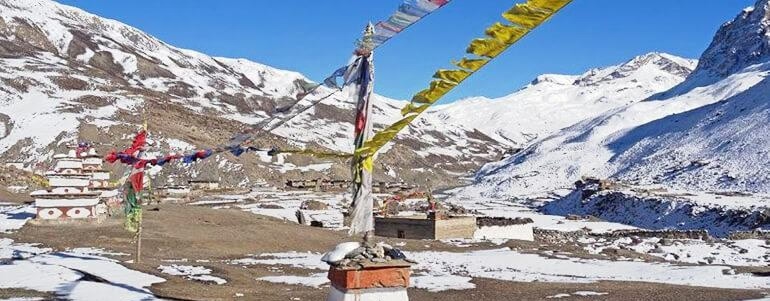
The government of Nepal and the Tourism Department have listed the following destinations of Nepal Himalaya, as restricted areas. Restricted Areas are the following regions Far North West Upper Mustang, Upper/ Lower Dolpo, and Humla-Limi Valley. Furthermore, In the Mid-West is Manaslu Circuit and Tsum Valley includes Nar-Phu.

Experience off beaten Journey in Nepal

Where trekkers require special permits to enter the above-restricted area, in some regions the cost for the permits is higher. However, all restricted area offers trekkers delightful moments, few areas have nice lodges for an overnight stay on route treks. But in places like Upper / Lower Dolpo and Humla-Limi Valley, trekkers have to spend overnights in tented camping.

The only way to venture around Restricted areas for trekking is to join reliable local trekking companies. Besides, a single traveler cannot trek solo or an individual has to be in a group of a minimum of 2 people. The local company will arrange and organize all logistic backup with the necessary arrangements, like obtaining special permits, and camping equipment. As well as providing expert licensed guides, trekking staff, and porters with transportation either for an overland journey or domestic flight.

Upper Mustang Trek

Upper Mustang Trek is one of the popular restricted and thrilling journeys in Nepal. It’s located between Far North West beyond Dhaulagiri and Annapurna Himalaya. For this trek to Upper Mustang, one must reach first to Jomsom by air. Jomsom is a large headquarters town of the Mustang district. It is the gateway of the Upper Mustang Trek and is situated around the Kaligandaki River Valley.

Upper Mustang is an isolated north plateau located between Nepal and Tibet.  Start the walk from Jomsom heading far north-west, as the trail follows the old Trans-Himalaya Salt Trade and Caravan Route to Tibet. Walk to Kagbeni a nice Tibetan-style village, the starting, and end-point of Upper Mustang. The journey continues to Lo Manthang the former forbidden walled kingdom of Mustang, heading into dramatic landscapes. Walk past Chele and Gelling to Charang village surrounded by large fields of buckwheat and visit the old monastery.

Himalayan Royal Palace With Sophisticated Tibetan Culture

Finally, the walk takes you towards the main highlight of the adventure to enter the former walled kingdom Lo-Manthang. After a climb over a few passes and on a wide windy valley to reach Lo-Manthang, here with time to explore around. The old typical roral palace with Tibetan authentic village with an awesome trans north part of Himalayas. Lo Manthang is charming and filled by culture with natural beauty. It’s one of the attraction places of the Mustang Trek.

Enjoy a tour of the main monasteries Namgyal Gompa, Champa Lakhang (God House), Red Thubchen Gompa, Chyodi Gompa, and the great Entrance Hall. Additionally, After a wonderful time around Upper Mustang head back to Jomsom for a flight or drive to scenic Pokhara. At this time there is road access to Lomanthang but we highly recommend walking and exploring the wonderous Himalayas. p

Nar-Phu Trekking

Nar-Phu Valley Trek is in the Annapurna region of Nepal. It was open since the 1990s for foreign travelers but it has required a special permit to complete the trek. Besides, After obtaining a special permit to enter into high far hidden corners of the Manang district. Walk lead on the same popular trail of the Annapurna circuit for some days to the village of Kodo. It’s located in the massive Annapurna region of Nepal in the Manang district.  From Kodo, the trail has diverted to many places like Nar Phu Valley, Kangla Pass, and Anapurna Circuit Trail.

The walk follows a river gorge covered in pine, rhododendrons, and fir trees, then enters a wide-open area to Phu. Enjoy a rest day at Phu for acclimatization and explore the windswept village and monasteries Tashilkhang and SamduCholing. After an interesting time at Phu, walk towards Na villages, which is almost similar to Phu, but quite smaller. Enjoy the moment in this last village around the hidden corners of Western Himalaya, as well as the least visited region.

Slowly route takes you to cross the high Kang-La pass at above 5, 322 m high to reach Manang Lower Valley. On the main trail of Annapurna Circuit, here with choices on leaving the restricted area of Nar and Phu. Either continue towards Jomsom crossing the high Thorang-La Pass or return on the same route via Pisang and Chame town.

Manaslu Circuit Trek

Manaslu Circuit Trek is an amusing journey in the Manaslu region of Nepal. It has been listed as a restricted area and it was open to foreigners since,1991. The Manaslu Trek offers mirthful scenarios of mountains, unique diverse cultures, and various landscapes with enjoyable walking.  The trek route incorporated the challenging and beautiful  Larke-La Pass 5160 m. It’s the high elevation throughout the trek.  Besides, Mount Manaslu is the world’s 8th highest peak at 8,163m and it’s open for climbing too. At present Manaslu circuit gaining more flow of trekkers, due to its awesome beautiful scenery and local impressive culture.

The adventure involves an exciting drive from Kathmandu to Sotikhola or Arughat. The journey towards a low warm region of Gorkha district, and then walk towards high green hills. The walk enters the high country around the scenic Manaslu Valley, with the local culture of Buddhism.

Lastly, the Manaslu Circuit Trail has combined the popular Annapurna Circuit Trek, and if you have ample time you can towards the Annapurna Himalayas.

Relish the nature & culture of the Manaslu Region

Enjoy trekking and spending overnights in the nice villages of Jagat, Namrung, and Lo-Gaon then at the main village of Sama-Gaon. The valley is enclosed by an array of high snow peaks of the Manaslu range, a great place to spend an extra day. At Sama Gaon enjoy a rest day an opportunity to witness the local immense traditional life and customs of great interest. Further from the Sama-Gaon route leads to the base of Larke-La Pass via Samdo village, at the end of Manaslu Valley. The next morning leaving the Gorkha district towards the Manang area, a steep climb to reach on top the highest point.

The Larke-La pass, a barrier between Gorkha and Manang district; from here on the long downhill to Bhimthang around Manang. Slowly walk follows on the lovely forest path to reach at the end of the trek in Dharapani village. Located on the mid-way of the popular Annapurna and Manaslu Circuit route, where a long drive brings you to Kathmandu.

Tsum Valley Trek

The journey to Tsum Valley is brilliant and acceptable to all types of travelers. It has many hidden beautiful elements along the trail. that Tsum Valley, located within Mid-West Nepal, is in between the massive Himalayan range of Mt. Manaslu and the massive Ganesh Himal. Manaslu Tsum Valley was closed to outside visitors and then opened for interested travelers to venture into in the late 1990s. One of the very special areas around the Himalayas is listed as a restricted region, and worth a visit to this new Shangri-La. In the beginning, the walk takes you on the same route of Manaslu, after a few days from Jagat and Deng villages.

Where the trail diverts from main Manaslu circuit to head further east on the backside of massif Ganesh Himal. Then enter the picturesque and wonderful country within Tsum Valley, as the walk leads past Chokan-Paro and Nile villages. As the walk leads you to the main highlight at Mu Gompa, situated above 3,700 m /12,139 feet high. Enjoy your moment around the remote and isolated country and visit the interesting old Buddhist monastery Mu-Gompa. Visit Rachen Gompa and then back to the low warm farm village at Sotikhola.

Lower Dolpo Trek:

An interesting and marvelous adventure towards Nepal Far West, due to its remote location, where both-way flights are involved. When you visit the restricted areas of far west Nepal then you will back to Jhupal airport of Dolpo district. The main feature of Lower Dolpo Trek is its beautiful turquoise-colored Phoksundo or Ringmo Lake. A wonderful trek takes you to a beautiful country in harmony with the local colorful culture. The villages of Dolpo are interwoven with both Buddhism and the ancient Bon religion. Walk within a high country, where the route leads to cross some passes of Baga and Numa-La above 5,000 m.

Offers grand dramatic scenery with views of magnificent landscapes and snow-capped peaks, as far as Dhaulagiri Himalaya. The adventure continues by visiting the lovely villages of Tokyu and Tarakot at the end of a trek to reach Jhupal. Taking a flight next early morning back to Kathmandu via Nepalgunj city, after a memorable time around Lower Dolpo.

Upper Dolpo Trek:

The Upper Dolpo Trek includes both scenic and cultural areas of the whole Dolpo region, taking a swift flight from Kathmandu. To reach Nepalgunj City Airport, and then another short flight to land at Jhupal in Dolpo. The walk leads past the large headquarters town at Dunai, following rivers and streams to the beautiful emerald-colored Phoksundo Lake. Located close to the nice village of Ringmo, here with time to get acclimatized as well as explore the beautiful area.

The adventure then heads to the high Kang-La pass at 5, 200 m offers grand views of Dolpo’s beautiful country landscapes. Includes a majestic Himalayan range of western Nepal, then reaches a remote and isolated small settlement at Shey Gompa.

This is also called the Crystal Monastery, as the monastery is located close to Crystal Mountain nearby. Enjoy amazing moments around this lovely remote spot, truly a place out of this world. The return route takes you windswept villages of Saldang and at Tokyu, interesting settlements adorn with a bright beautiful culture. As the walk continues on scenic Dho-Tarap valley to the historical village of Tarakot and then at Dunai to end the trek. From Dunai drive to Jhupal for a flight to Kathmandu via Nepalgunj, after a most marvelous adventure on Upper Dolpo Trek.

Humla and Limi Valley:

Humla and Limi Valley, one of the most remote destinations of Nepal close to South West Tibet near holy Mt. Kailash. A scenic flight from Kathmandu and Nepalgunj City Airport reaches you to the mountainous airstrip of Simikot. The main hill town of Humla district where this trek around Humla and Limi valley begins and ends.

Walk follows off the beaten path, where very few Western travelers seldom visit this isolated region of Nepal. As trek follows on the old caravan trade route of Nepal and Tibet, which is still active to this day. The local people still trade and barter on the border town of Tibet and Nepal.

One of few unspoiled restricted regions, trekkers on this Humla and Limi valley will certainly enjoy the pristine surroundings. Apart from scenic landscapes and mountain views, the colorful culture and ancient customs are equally fascinating exploring impressive villages. The walk takes you to Kermi, Yalbang, Muchu, Yari, and Mane-PemeTil with Halji, visit monasteries of great religious significance.

The whole trip is a lovely scenic and cultural circuit, walking to Hilsa the border village of Nepal and Tibet. Finally walk ends at Simikot for an exciting flight back to Kathmandu, after a remarkable adventure on Humla and Limi Valley.

The best time to do the treks in Nepal

The most preferable times for restricted area trekking are mid-spring from March to May and September to November months during the autumn season.

Upper Mustang, Dolpo, and Limi Valley can be trekked during monsoon wet months, as this region falls within a rain shadow. Where all heavy black clouds are blocked by the great Himalayan range and that is why the area is dry and arid and receives few showers. As this trek leads to high altitudes, it is not recommended during winter times with heavy snowfall on route trekking. The Nepal High Trek & Expedition team highly recommends the Restricted Area Treks in Nepal for 2026/2027. We are here ready to explore the beauty of Nepal.

Frequently asked
At first, understand that restricted area doesn’t mean that you are not completely allowed to visit the place. The truth is that you need to follow certain rules and regulations. Nepal government listed different places especially in the border between Nepal and Tibet (autonomous region of People’s Republic of China) as restricted areas. For years, these places were hub for the Khampa rebels from Tibet. The foreign policy of Nepal clearly states that it has ONE CHINA policy. Nepalese Army fought these Khampa rebels and quelled the rebellion. Therefore, these places are kept as restricted areas. Similarly, another reason is to protect the unique traditional and natural heritages of these places including flora as well as fauna. This country is flexible to all the travelers from across the globe.

Everything changes. The chaotic Annapurna crowds? Gone. You swap busy, WiFi-equipped bakeries for absolute, deafening silence and dusty trails where you might only see a stray yak all day. Regular trails feel like crowded hiker highways. Out here, you are entirely off the grid. The infrastructure barely exists in places like Manaslu or Nar Phu. We prepare our Nepal High Trek clients for a gritty, unpolished reality. You lose the modern comforts, but honestly, you gain the actual Himalayas. The most interesting thing about trekking in the restricted areas is the tranquility. Most of these trails are yet to be spoiled by the modern mass tourism activities. Look at the Annapurna Circuit Trek route! It has changed due to construction of roads which is now accessible until Manang village. Regular trekking is also equally amazing. In fact, you can get modern comforts in terms of facilities and amenities while trekking in these areas. Well, restricted area treks in Nepal can offer untainted beauty while the regular trekking in Nepal gives logistical comforts. Understand that every trek has its own charm. How do you compare the Everest Base Camp Trek with the Kanchenjunga Circuit Trek? The EBC Trek is the commercial regular trekking whereas the Kanchenjunga Trek is the restricted area treks in Nepal. They have their own attractions and best parts. So, it is not fair to compare between these two areas.

Until 2026, solo trekking was not allowed in these restricted areas. Now, it is possible to trek as a solo trekker. The point is that you must hire a licensed trekking guide and process the restricted area permit from the registered trekking company. How Special Permits Are Arranged for Restricted-Area Treks You can't just buy these permits online with a credit card. It’s a massive bureaucratic headache. You need original passports, physical passport photos, and a mountain of stamped paperwork physically walked through the immigration office in Kathmandu. Our Nepal High Trek fixers practically live at these government desks. Look, you cannot legally apply for this yourself. Only a registered local agency can pull the trigger. The officials meticulously verify your guide's credentials, your itinerary, and your exit dates before finally printing that golden piece of paper. It takes an entire working day. Fortunately, Nepal government has made it easier nowadays. A registered company has obtained individual domain in the official website where it can process permit online. Physical presence is no longer needed! All you need to do is submit travel insurance, passport details, and route itinerary.

They are aggressively isolated. We aren't talking about a quiet afternoon hike. If you push into the far corners of Limi Valley or Upper Dolpo, you are weeks away from a paved road. The nearest rudimentary hospital might literally be a four-day walk through blizzard conditions. Helicopters often can't reach you because the canyon walls are too tight or the wind is totally insane. We firmly remind our Nepal High Trek clients that they are stepping back into the fourteenth century. You will cross crumbling wooden bridges over raging rivers with absolutely zero cell service to call for help. Well, you can get good access in some of the restricted regions of Nepal nowadays. Manaslu is accessible by road and Kanchenjunga is also the same. The access to the Upper Mustang is the most developed one. You can actually do the Upper Mustang Jeep Tour instead of Upper Mustang Trek due to availability of road network.

You absolutely can. It just takes a fat stack of cash and endless paperwork. Linking the Tsum Valley directly into the Manaslu Circuit is actually a classic, heavily requested combo which is famous as the Manaslu Tsum Valley Trek. You just buy both expensive permits and walk seamlessly between the checkpoints. Connecting Nar Phu to Upper Mustang? Now that’s also possible but you need to first do the Annapurna Circuit Trek and cross the Thorong La Pass after visiting Nar and Phu villages. Once you cross the Thorong La Pass, then you need to follow the Upper Mustang Trek itinerary.

The main reason is safety and another reason is these places are remote. It’s really that blunt. These sensitive border regions brush right up against Tibet. The military wants a registered, local guide watching your exact movements to ensure you aren't poking around illegal trade routes. Plus, the terrain is wildly unforgiving. If a rogue tourist vanishes in Nar Phu, it becomes a massive, embarrassing diplomatic headache. By forcing you to hire a Nepal High Trek guide, the state aggressively shifts the legal liability directly onto our agency. If you mess up, our company loses its operating license entirely. It is wise to visit these places with proper rules and regulations.

Yes, you absolutely can. Sharing the heavy costs of the mandatory guide and a private jeep drastically softens the financial blow. But here's the catch. You are tying your entire expensive vacation to a total stranger's walking pace. If they get sick, your itinerary suffers. We constantly match up solo hikers at Nepal High Trek, but we try hard to vet their fitness levels first. A mismatched group is pure trail misery. Private trek is the best way to explore restricted areas of Nepal. Wilderness adventure is possible but with safety when traveled with your known trekkers. However, group join trek is also nice from budget point of view. The best way to travel in low cost is by booking the budget treks. For example, you can choose to book the Manaslu Circuit Budget Trek instead of regular standard Manaslu Trek package. While booking the restricted area treks in Nepal, make sure that you are satisfied and safe. Choose only those people who are transparent and reliable. Read all the details before finalizing the trip for you.

It aggressively slashes the overhead. Think about it. The mandatory guide fee is a fixed daily rate. If you walk alone, you pay that entire cost. Pack four people into the group? You instantly divide the guide's wage, the expensive jeep rental, and the porter wages into manageable fractions. The actual government permit fee per person stays rigidly expensive, obviously. But the logistical fat totally melts away. We always tell our Nepal High Trek clients that traveling as a tight foursome is the absolute financial sweet spot for hitting these expensive, isolated borderlands.

Absolutely not. Plastic cards are completely worthless out there. Don't expect to find a dusty ATM hiding behind a yak pasture in Upper Dolpo. Once your jeep leaves the bumpy pavement, the cash economy becomes king. You need thick wads of small Nepalese rupees. The lodge owners can't break a massive hundred-dollar bill if you just want to buy a scratchy roll of toilet paper. Bring way more physical cash than you think you need. At Nepal High Trek, we constantly remind people that emergency helicopter rides or a random horse rental demand immediate, hard currency on the spot. Nowadays, some places provide ATM services. You can get one in Lomanthang of the Upper Mustang Trek and in Aarughat on the way to the Manaslu Circuit Trek. Similarly, you can withdraw cash in Taplejung if you are going the Kanchenjunga Circuit Trek in Nepal.

You eat exactly what they give you. The menu is mainly of rice, lentils, and wilted greens. If you venture into Kanchenjunga or deep Manaslu, the teahouses don't have massive pantries. Everything is hauled in on a mule's back. Want a pizza? Tough luck. You will happily inhale dal bhat twice a day because it’s the only calorie source keeping you alive. If we are running a Nepal High Trek camping expedition into totally barren zones, our porters physically haul massive sacks of flour, rice, and kerosene to cook every single meal from scratch. Common menu items include Nepalese dishes, local authentic dishes (Tibetan Bread, Millet Bread, Buckwheat Soup), and noodles.

Luckily, most of the trails located inside the restricted areas of Nepal have basic tea houses and eateries. Even in the Kanchenjunga Circuit Trek route, the places like Tseram have 2 to 3 tea houses even if trekkers may have to spend overnight in tented accommodation. The facilities are slowly changing and upgrading. Therefore, don’t worry about lodging while exploring the restricted area treks in Nepal.

It’s a chaotic, adrenaline-fueled nightmare. You don't just call 911. Our guide frantically sprints to the highest ridge trying to catch a faint radio or satellite signal to contact Kathmandu. We then beg a helicopter company to fly into incredibly dangerous, tight canyons where the wind violently rips off the mountains. If the weather is totally socked in? The chopper won't fly. Period. Your guide will brutally strap you to a rented horse and drag you downhill for days. Nepal High Trek strictly demands that you carry massive evacuation insurance. That noisy bird costs thousands of dollars upfront. The process is simple. Guide will call for help to the office and the office informs the helicopter company. The flight company immediately notifies the insurance company and asks permission from the restricted area office. Once the permit is issued by the conservation department, the helicopter departs from Kathmandu to rescue you.

You can always walk out early. Nobody is physically trapping you up there. If a freak blizzard violently dumps three feet of snow on the Larkya La pass, you turn around immediately. We don't mess with avalanches. But here's the painful reality. You don't get a single penny back from the government for those unused permit days. The immigration office doesn't care about the bad weather. Our Nepal High Trek guides will instantly reroute you back down the valley to safety. Shortening the trip is easy. Surviving the sudden, vicious mood swings of the Himalayas is the real priority.

They get safely escorted out, but the financial hit is brutal. If your knees completely disintegrate on day three, the dream is over. A Nepal High Trek assistant guide will immediately peel off to carefully walk you back to the nearest jeep track. The rest of the group keeps going. The government keeps your massive permit fee. You still have to pay the guide their contracted wages, and you’ll likely bleed cash waiting in a Pokhara hotel room for your flight home. Failing hurts the ego, but stubbornly pushing forward with a broken body will actually kill you.

If you want the really obscure stuff, you sleep outside. Upper Dolpo is a massive, unforgiving desert that strictly requires a heavy canvas tent setup. The Kanchenjunga circuit is slowly building basic wooden lodges, but you still heavily rely on a mobile kitchen for massive stretches. The far western Limi Valley? Pure camping territory. You are completely untethered from civilization. At Nepal High Trek, coordinating these expeditions is a logistical war. We hire cooks, sherpas, and a huge train of stubborn mules just to keep you alive and fed in these completely barren, roofless corners of the map. Nepal is changing and so are these restricted area treks in Nepal. Amenities are growing as the number of trekkers inside these areas is increasing. You can get basic tea house facilities in most of the places. For example, Nar Phu Valley Trek is no longer the camping trek route. You can do tea house trek in this route comfortably. Therefore, Restricted Area Treks in Nepal is not camping trek entirely. Limi Valley also has some tea houses but not in all places. So, some areas still need tea house and tented camping trek services.

It basically doesn't exist. Turn your phone off. The cellular network completely dies the second you enter the narrow gorges of these remote places of Nepal. A few sporadic villages might have a sketchy satellite phone that aggressively charges you five bucks a minute, but the audio sounds like you're talking from underwater. Forget about sending photos home. You are totally cut off. Our Nepal High Trek guides carry emergency local SIM cards that magically catch ghost signals on random windy ridges, but honestly? You should aggressively embrace the silence. Being entirely unreachable is the ultimate restricted-area luxury. As mentioned above, facilities are improving rapidly in these places. Therefore, you may find proper mobile signals in majority of places. For example, you can get good signals in places like Samdo and Samagaon due to newly installed NTC mobile tower. Similarly, Nepal Government is working to install these communication towers in remote areas! If you are traveling to Dolpo region, then you may also get these mobile signals. So, don’t panic! You will be with the registered trekking guide who can help you get proper communication with the outside world.

Verify their actual survival skills. Do they send a proper medical kit, or just a zip-lock bag of cheap bandaids? Ask specifically if they use their own salaried staff or just subcontract random freelancers at the bus station. You need to know if the wildly expensive permit fees are actually locked into the quoted price. Look, unscrupulous operators will quote a dirt-cheap number, only to viciously extort you for the permit cash once you land. We keep everything radically transparent at Nepal High Trek. Ask hard questions about guide licenses and emergency oxygen. Demand brutal honesty upfront. Talk with the travel planners and verify all the details.
Nepal High Trek
Written By

Nepal High Trek

Travel writer and passionate explorer sharing stories and expert guides from the heart of the Himalaya.

Have questions?

We will reply as soon as possible. Your details are kept private.