
Do I Need a Guide for the Manaslu Circuit Trek?
Manaslu Circuit Trek passes through a restricted region of Nepal, so trekkers must follow special permits and trekking regulations. Foreign trekkers generally need to travel with a licensed guide through a registered Nepal tourism department and obtain the required permits. Beyond meeting regulatory requirements, an experienced local guide can assist with navigation, accommodation, altitude awareness, communication, and changing trail conditions.

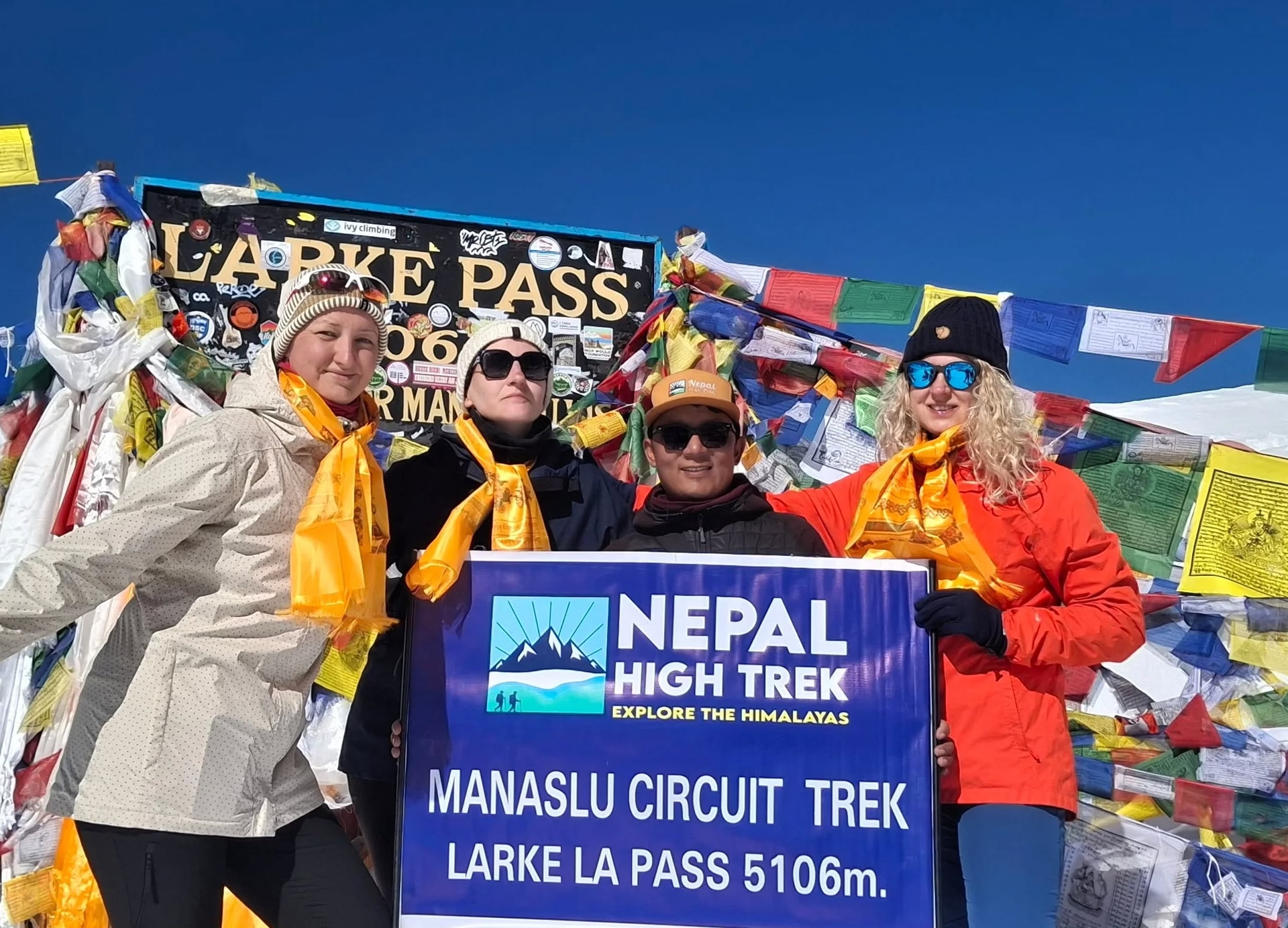
Yes, you must hire a trekking guide for the Manaslu Circuit Trek. It is not just a suggestion but it is a mandatory rule for any kinds of traveling activities inside the restricted areas of Nepal. Nowadays, even tails inside the national parks and conservation areas require a licensed trekking guide. Want to wander the Annapurna Circuit alone with just a dog-eared map and a dream? Go for it. But Manaslu sits in a restricted zone near the Tibetan border. Don’t ask the question “do I need a guide for the Manaslu Circuit Trek?” rather ask the question about where can you find the best guide and company for the Manaslu Trek in Nepal.
A registered trekking agency must issue your permits, and a licensed guide must walk beside you. Honestly, even if you could sneak in alone, you wouldn't want to. The logistics up there are an absolute nightmare for outsiders. If you can hook up with the local crew members, then it would be an icing in the cake! Yes, it is important to travel the wilderness remote areas full of cultural and natural diversity with someone who knows the geography well. So, the best answer is to contact the travel planners of the Nepal High Trek.
Note down that the Nepal High Trek is a trekking company founded by a person from the Manaslu Region. The region extends from Dhading – Gorkha to Manang – Lamjung districts! The crew members of the company for the Manaslu Circuit Trek are all from these districts. Therefore, go on a trek with the safe hands!

Manaslu Circuit Trek
View detailsIs a Guide Required for the Manaslu Circuit Trek?
Safety must be the biggest priority among travelers! Who can guarantee safety up in the mountains? The answer is obvious! It’s your trekking guide! You cannot just rock up to the checkpoint in Jagat, flash a winning smile, and walk through. Nepal heavily regulates this specific region to control border movement and limit environmental damage.
Just a year ago, you needed a minimum of two foreign trekkers in your group, plus one government-licensed guide. Solo travelers often end up "ghost pairing" with another trekker on paper just to satisfy the two-person rule, but that guide requirement? Completely non-negotiable. Don't waste your time trying to find a loophole. There isn't one, and the fines aren't cheap. Even if you can go solo trekking, you must be with a licensed trekking guide.
Why the Manaslu Circuit Is Different From Nepal’s More Independent Treks?
Everest Base Camp is basically a highway of trekkers. It’s true and it is mostly crowded. You follow the crowd, read the signs, and order an overpriced cappuccino in Namche. Manaslu? Not even close. It feels raw. The trails are rougher, often battered by recent landslides, and teahouses are scattered sparsely. You aren't just bouncing between Wi-Fi hotspots here. Because it’s a restricted area, the local infrastructure caters entirely to guided groups. If you show up at a lodge in Samdo without a local fixing your bed in advance, you might end up sleeping on the dining room floor. The isolation is real, and it bites hard.
Can You Trek the Manaslu Circuit Without a Guide?
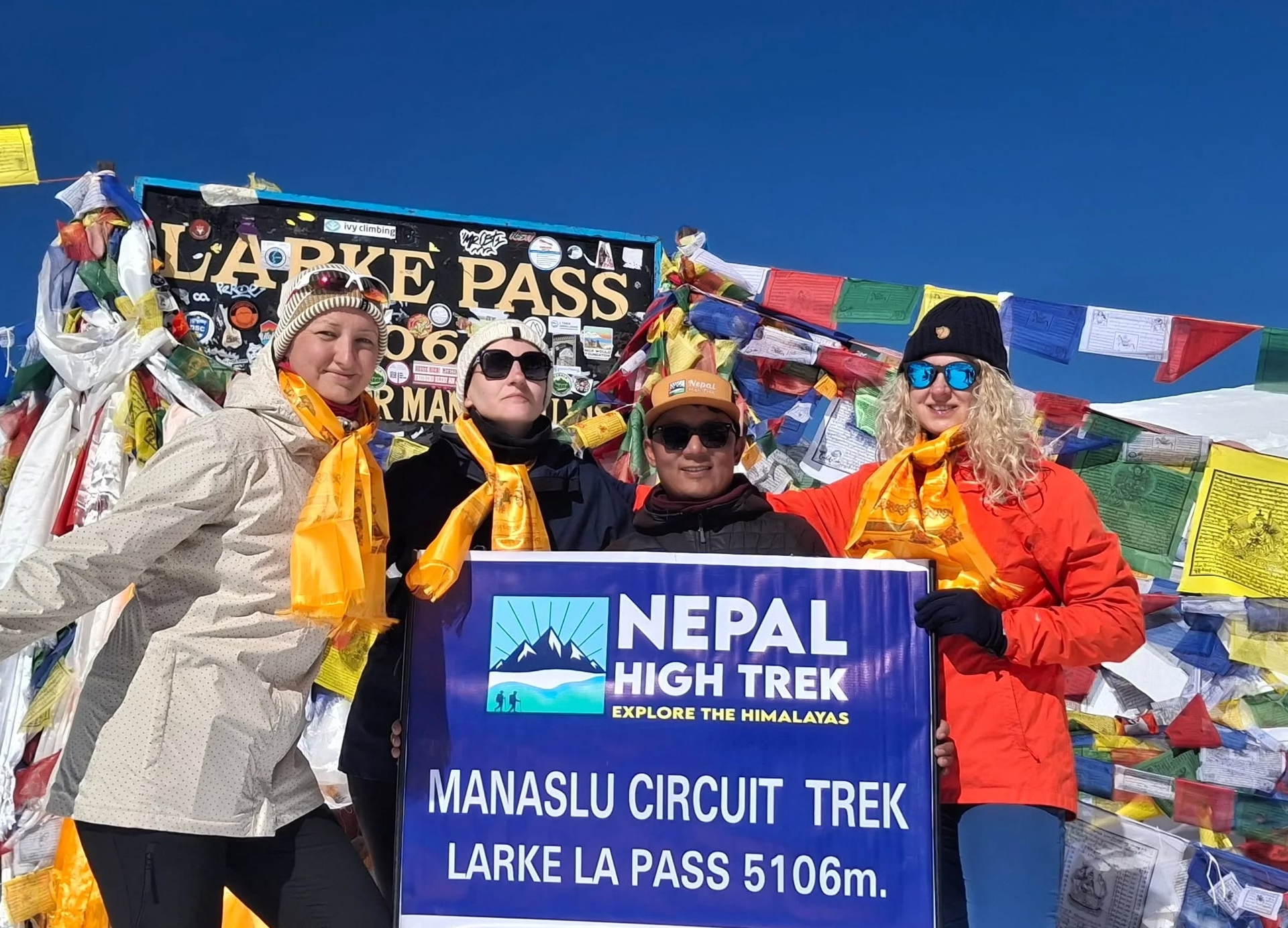
No. I keep saying it because people keep asking. You cannot bypass this rule. Some folks think they can hire a "porter" who acts like a guide just to save a few bucks. Here is the catch. The permits require a specific license number from a registered guide. If you try to slip through the police checkpoints with just a buddy who carried your bags, the cops will catch on instantly. The trail is heavily monitored. Even if you hold an advanced mountaineering degree, the paper-pushers in Kathmandu don't care. You pay for the guide, or you don't go.
Guide, Porter or Porter-Guide: Which Support Do You Need?
This gets confusing fast. A full guide speaks great English, handles all logistics, but won't carry your heavy bag. A porter carries 20 kilos of your baggage but barely speaks a word of English. Then you have the elusive porter-guide. This is usually a trainee guide who speaks decent English, carries a lighter load (maybe 10 kilos), and leads the way. For tight budgets, a porter-guide is a fantastic middle ground. But if you have knee problems and need serious weight taken off your back, hire both. Struggling over Larkya La with a massive pack ruins the whole experience. Please note that the Guide-Porter is also referred as Sherpa guide.
Navigating Remote Sections of the Manaslu Circuit With a Local Guide
13 Days Manaslu Circuit Trek
View detailsThe trail isn't always obvious. Down in the Tsum Valley or heading toward the Tibetan border from Samdo, the path fractures into dozens of confusing goat tracks. Which one leads to the next village? Which one leads to a dead-end cliff? A local guide actually knows. Landslides wipe out sections of the main trail every monsoon, creating invisible detours. Walking alone, you'd spend hours backtracking or scrambling over highly dangerous scree slopes. Guides know exactly where the rocks are loose. They know which river crossings are safe today and which ones will sweep you away.
How Guides Handle Changing Trail and Road Conditions
Road construction is slowly tearing up the lower Budhi Gandaki gorge. What used to be a pristine walking trail is now occasionally a blasted-out dirt road. Guides know exactly when to hire a local Jeep to skip the ugly, dusty sections. Did a monsoon completely wash out the bridge at Machha Khola? Your guide is already calling ahead on a crackly cell phone to arrange a tractor ride on the opposite bank. They handle the chaos before you even realize there's a problem. Without them, you’re just standing at a collapsed road wondering how to get home.
What Local Knowledge Adds to the Manaslu Trek Experience ?
It's not just about not getting lost. Walking through the upper villages like Lho and Samagaon, you are looking at centuries-old Tibetan Buddhist culture. Without a guide, a monastery is just a pretty building. With a guide, you learn why the monks are blowing horns today, what the specific mani walls mean, and which local farmer makes the best yak butter tea. They bridge the gap. You go from being a confused tourist staring at things to an actual guest understanding the context. Plus, they know the names of all the peaks, which satisfies your inner geography nerd.
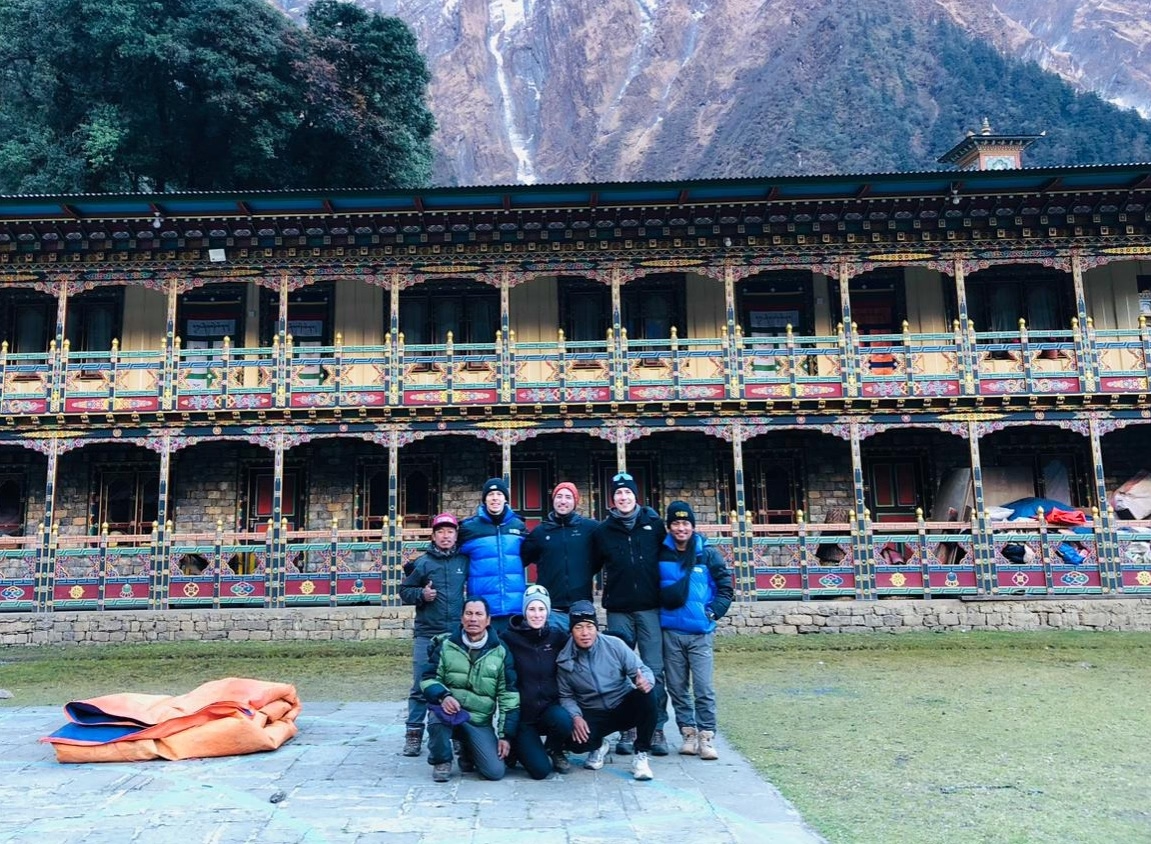
Manaslu Circuit Trek with Serang Gompa
View detailsHow a Guide Helps With Teahouses, Meals and Daily Logistics?
During the busy October season, beds are incredibly scarce. You might walk eight hours, exhausted, only to find the lodge is full. A good guide already fixed your room yesterday. They call ahead. When you arrive, you get the room with the actual glass window, while independent groups are fighting for spots in the drafty dining hall. They also police the kitchen. If the meat looks suspicious, your guide will quietly tell you to order the vegetarian dal bhat instead. That tiny piece of advice alone is worth their daily wage.
Why a Guide Can Matter More Around Larkya La Pass ?
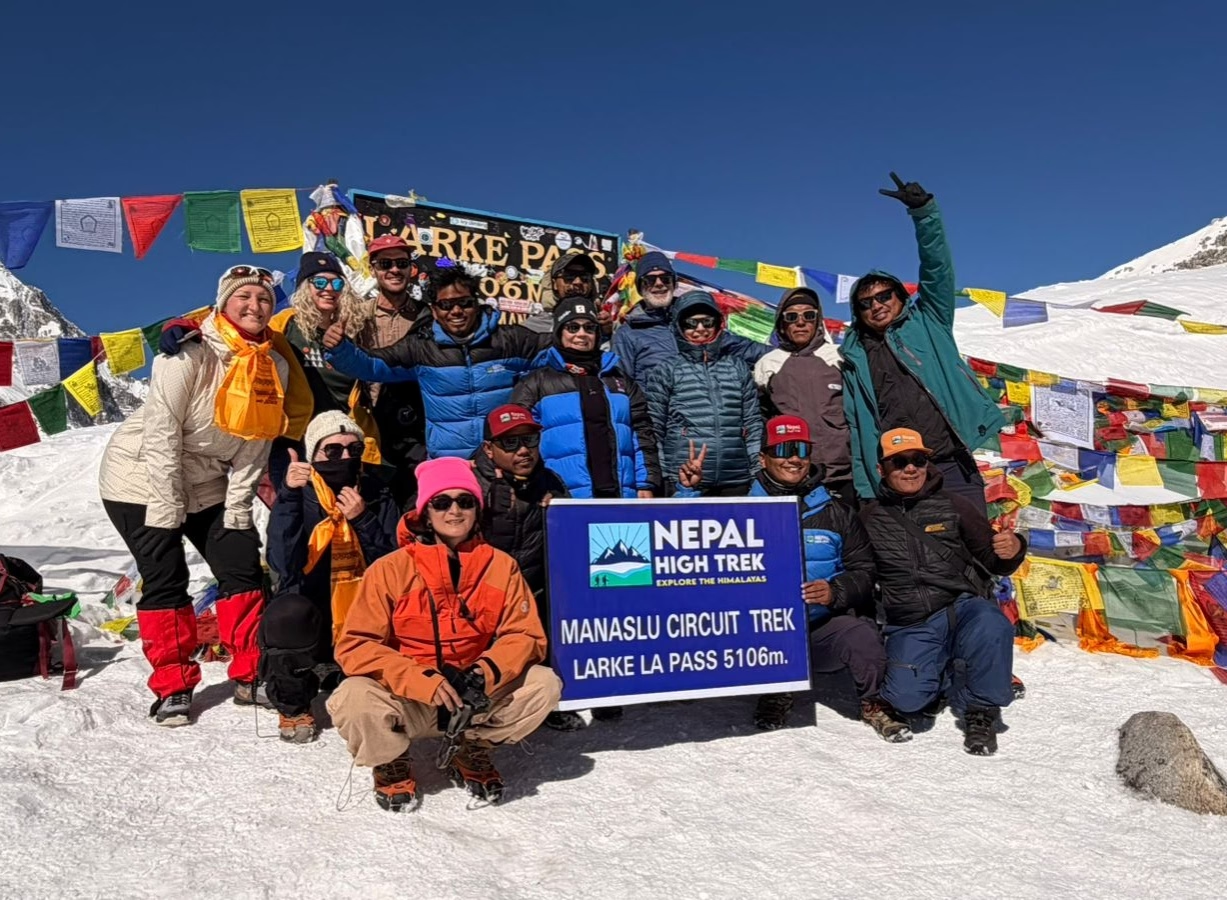
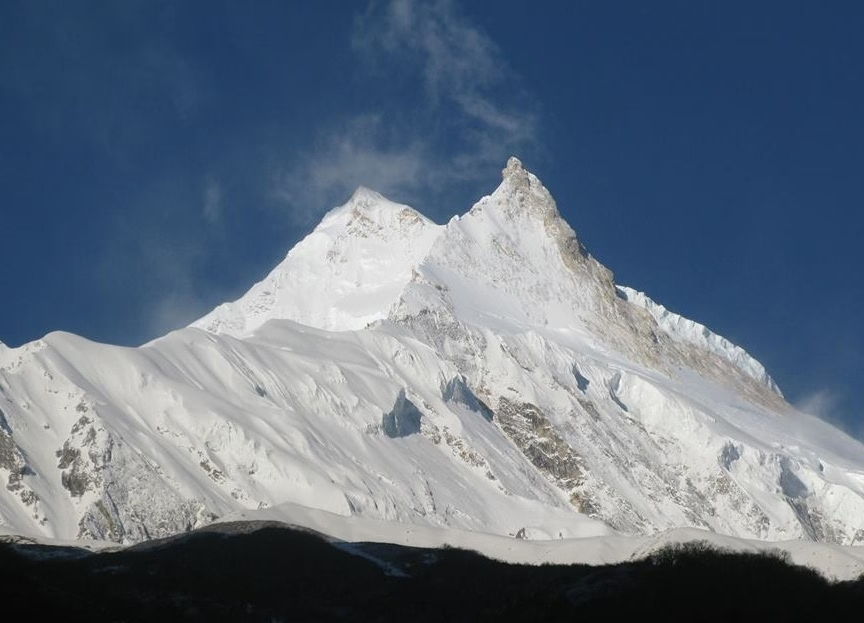
Crossing Larke La Pass 5106m is the most challenging and you need the service of your guide the most in this section. You wake up at 3:00 AM, freezing, operating on zero sleep. The altitude crushes your brain function. Is that a trail or just a weird shadow on the ice? A seasoned guide knows the exact line to take up the trail. They pace you. When you try to sprint because you're freezing, they force you to slow down so you don't black out. When the wind picks up and the snow starts dumping, having someone who has crossed this exact pass fifty times is incredibly comforting.
Private Guide or Group Guide: Which Manaslu Trek Setup Fits You?
Group tours are cheaper, sure. But you are stuck walking at the speed of the slowest person. If Gary from Ohio needs an extra rest day, you are all taking a rest day. Hiring a private guide for just you and your partner changes the entire dynamic. You leave when you want. You sleep where you want. If you feel strong, you can crush two stages in one day. Private guides tailor the trip entirely to your fitness and mood. Honestly, the price difference isn't massive when you split it two ways. Go private. It’s significantly better. Or, you can also choose to do Manaslu Circuit Budget Trek where you get to decide lots of logistics on your own but still with care from the trekking company and assigned trekking guide.
Questions to Ask Before Choosing a Manaslu Circuit Trek Guide
Make sure to ask the travel company about your guide. Do they have a government license? Have they actually crossed Larkya La in the snow? Ask what their emergency protocol is if someone gets acute mountain sickness. Do they carry a pulse oximeter? How long have they worked for this specific agency? You want to know if they are a seasoned pro or a rookie on their second trip. Oh, and ask about their gear. If the agency isn't providing the guide with a proper winter sleeping bag, find another agency immediately.
Note down that every trekking crew members of the Nepal High Trek are insured and they are provided needed gear and equipments. Besides gear, the company also looks after the families of these crew members for their health and education especially those from remote areas. It is part of the corporate social responsibility of the company.
Frequently asked
Nepal High Trek
Travel writer and passionate explorer sharing stories and expert guides from the heart of the Himalaya.