

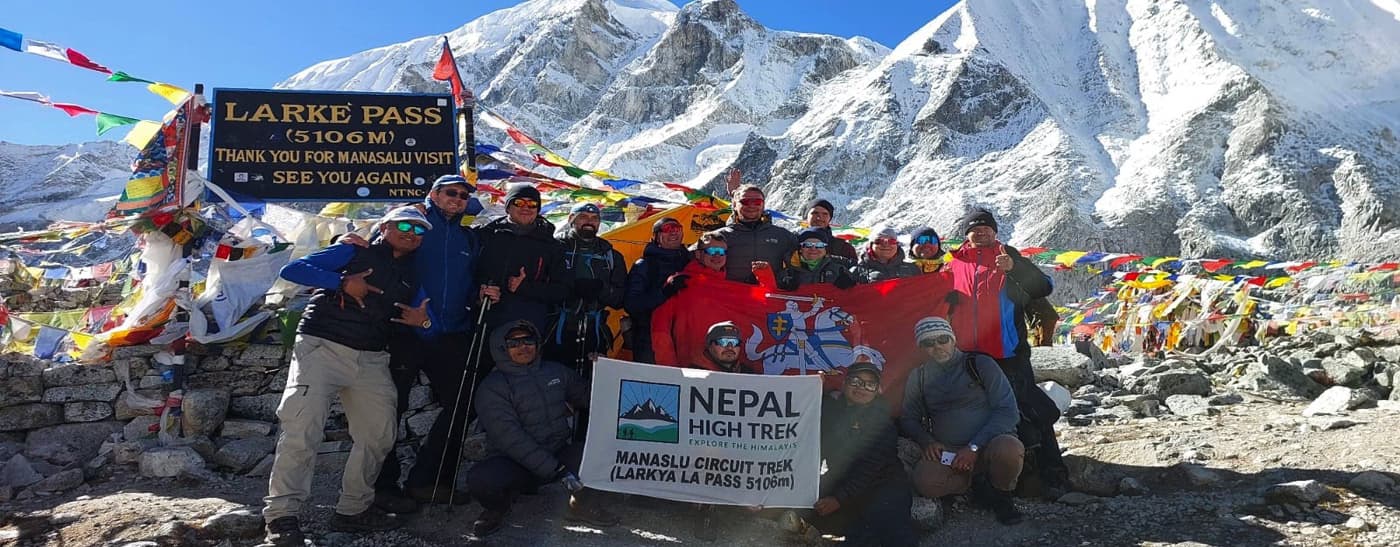
People exaggerate when they talk about trekking in Nepal regarding difficulty. Therefore, they assume that they need formal training to do treks in Nepal. Please note that all the treks don’t require training except very few high – altitude challenging trails like Amphulapcha Trek or Peak Climbing treks. In fact, some peak climbing trekking trips don’t even require training. Therefore, today’s blog is crucial to clear clouds over the perception of trekking in Nepal. How to train for trekking in Nepal? The answer is obvious as you may not need to do formal training if you have good physical fitness level and cardio vascular abilities.
Do I really need to train for trekking in Nepal?
No, you don’t need to train for trekking in Nepal. Make sure that you have sound physical fitness level and you are taking care of your body by following the proper dietary plans. If you are planning to do extreme trekking activities and peak climbing activities, then doing the basic training can be helpful. Normally, you don’t require formal training sessions but doing such training can surely be helpful to boost the success rate and increase safety during the trek.
If you ask this blogger about the need of the training, then I would say no. Which is the best trek to do in Nepal? The Everest Base Camp Trek is an epitome of all the trekking adventures in the world and it is also the commercial trekking route. Note down that you don’t need training to do the Everest Base Camp Trek in Nepal. Now, the decision is yours whether you need training for trekking in Nepal.
Is Peak Climbing part of Trekking in Nepal?
Climbing mountains above 7000 m above sea level is considered an expedition but below height mountains are simply the advanced trekking referred as peak climbing. Please note that some mountains below 7000 m are still the expedition mountains which require lots of training and planning due to technical difficulties. You can say that peak climbing as part of trekking in Nepal which is slightly in the advanced form that require more attention than trekking. Even to do the advanced trekking (peak climbing in Nepal) doesn’t require prior training or experiences. However, you should never underestimate the demands and risks of doing such peak climbing activities.

Can a novice person really climb trekking peak of Nepal without prior experience?
Yes, choose the right trekking company to operate the peak climbing or trekking activities and you can trek or climb trekking peaks of Nepal without prior experiences. Which are the popular peaks to climb in Nepal possible without training or prior experience? They are the Island Peak Climbing, Mera Peak Climbing, Lobuche Peak Climbing, Yala Peak Climbing, etc. These peaks are offer the best wilderness adventure and provide you the opportunity to leave footprints at the summit of the snow – capped mountains. Please remember that the peak climbing is also the part of trekking in Nepal but more expensive and demands more physically.
How to train for trekking in Nepal?
Remember that you need to make your body such that you are mentally prepared and you have the best endurance level. In addition to the endurance, you also need to follow a nutrition and dietary plans. Let’s talk in brief about few things which can be tools to the successful trekking in Nepal.
Do Hiking Trips
Doing regular hiking trips is one of the best ways to train for trekking in Nepal. Hiking helps your body adjust to long walking hours, uneven trails, and changing elevations similar to Himalayan routes. Start with short hikes on local hills or forest trails and gradually increase distance and difficulty. Carry a backpack to simulate trekking load and wear proper trekking shoes to break them in. Hiking also improves balance, stamina, and mental endurance. Most importantly, it builds confidence, teaching you how to pace yourself and enjoy long days of walking in natural terrain.
Exercise Regularly for About 2 Hours a Day
Regular exercise is essential for preparing your body for the physical demands of trekking in Nepal. A daily two-hour routine can include cardio, strength training, and flexibility exercises. Activities like jogging, cycling, stair climbing, and skipping improve heart and lung capacity. Strength exercises such as squats, lunges, and core workouts help build leg and back muscles needed for steep ascents and descents. Stretching and yoga improve flexibility and reduce injury risk. Regular exercise boosts endurance, helping you trek comfortably for several days at high altitudes.
Take Wall Climbing Lessons
Wall climbing lessons are an excellent way to train for trekking in Nepal, especially for challenging and steep sections. Climbing strengthens your legs, arms, and core while improving grip and balance. It also enhances coordination and problem-solving skills, which are useful on rocky trails and narrow paths. Indoor climbing walls allow safe practice while building muscle endurance. Climbing teaches controlled breathing and body positioning, both important at high altitudes. Overall, wall climbing boosts physical strength and mental focus, making demanding Himalayan treks easier and more enjoyable.
Follow nutritious and healthy dietary plans
What food that you eat and which drink that you drink matter a lot for the success of the trek. Therefore, adopt the healthy food plans for trekking in Nepal. There is no hard and fast rule about training before trekking in Nepal but eating healthy foods surely boost the chance of successful trekking in Nepal. Therefore, eat soupy food, avoid greasy foods, drink plenty of water, and avoid alcohol to make sure that you are on verge of completing any trekking trips in Nepal.
Can beginner trekker without prior experience trek in Nepal?
Certainly, a beginner or rookie trekker can also successfully trek in the trails of Nepal. If you don’t want to walk in the higher – elevation trails, then you can always choose to walk in the easy short treks of Nepal.
Overall, please remember that you don’t need to dwell into this question of how to train for trekking in Nepal. The answer is simple and it is that you don’t need formal training. If you are doing the peak climbing which is the advanced trekking activity, then taking the formal training is helpful but still not needed. Feel free to contact the travel planners of the Nepal High Trek to knit a beautiful trekking trip in Nepal.
Nepal High Trek
Travel writer and passionate explorer sharing stories and expert guides from the heart of the Himalaya.