

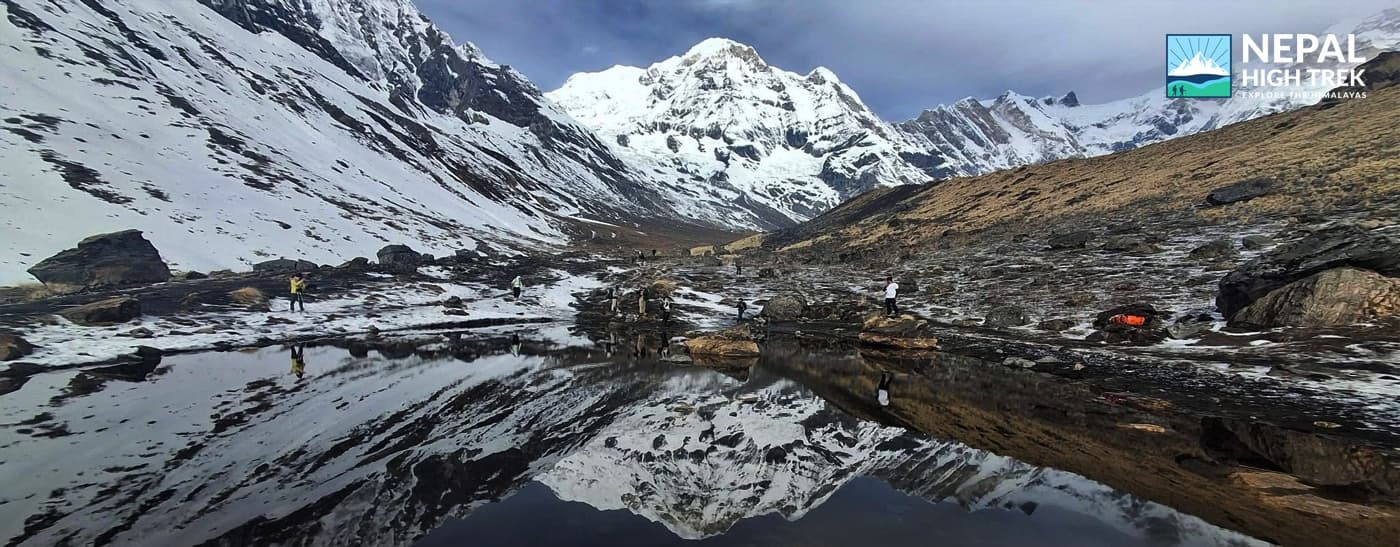
Who doesn’t dream to get close to mountains? People love to feel the chill mountain breeze. If not scaling the mountain, they wish to at least reach its foothill. The thrill of reaching high – altitude places is indescribable. Unfortunately, the risk factor is equally abundant. The threat of altitude sickness is real in these higher elevation places. Today’s blog is important to those planning high – altitude trekking activities in Nepal. Let’s explore the Annapurna Base Camp Trek Altitude Sickness Tips. Trek to the base camp of the world’s 10th tallest mountain, Mt. Annapurna without any threats of altitude sickness.
Nepal is an epitome destination for trekking activities. The presence of high – altitude passes, mountains, and valleys offer best platform for Himalayan excursions. From Everest region to Manaslu, and from Langtang Valley to Annapurna region; you can quench your thirst of reaching places above clouds. Just follow the guidelines to avoid risk of altitude sickness. Sometimes, the risk can be fatal beyond measures. Therefore, preventive tips can help save lives. The Annapurna Base Camp Trek Altitude Sickness Tips blog will surely improve your confidence to explore the Annapurna Sanctuary!
What is altitude sickness?
At first, let’s know about the altitude sickness. It is a medical emergency that happens in higher elevation places like up a mountain. Normally, the places above 2500 m are prone to the sickness. More fatal ones are in the places above 3500 m from sea level. Common symptoms of altitude sickness are nausea, dizziness, racing heart, shortness of breath, and headache. This medical emergency may occur due to quick ascent to higher elevation places without proper acclimatization or adjustment. If you quickly reach these high – altitude places, then the body couldn’t react the lesser oxygen density atmosphere. Thus, the medical emergency may occur.
What are the early symptoms of altitude sickness you should not ignore?
Most of the people try to ignore the risk of altitude sickness. They try to shrug off the early symptoms of this medical emergency. This is the fatal mistake that they make. If you have loss of appetite, severe headache, tightening chest, dry mouth, dizziness, slight disorientation, and coughing, then you should not ignore. Immediate care and acclimatization rest must be done. Stay where you are for at least 4 to 5 hours before continuing up. Additionally, if the symptoms worsen, you must descend!
How high does Annapurna Base Camp Trek reach and why it matters?
The highest altitude a trekker reaches during the Annapurna Base Camp Trek is 4130 m. This is the height of the Annapurna Base Camp. Majority of trekking itineraries include staying overnight in the base camp before returning. Altitude matters as mentioned above due to vulnerability.

Best Acclimatization Strategies for Annapurna Base Camp Trek
Now, let’s talk about the Annapurna Base Camp Trek Altitude Sickness Tips. The best tips that I can provide you is an acclimatization. Interestingly, most of the Annapurna Base Camp Trek itineraries don’t have set rest day for acclimatisation. Therefore, you must follow certain guidelines. The safest principle and quickest way to acclimatize your body is to trek high and rest low. Even if there are no acclimatization rest days during the Annapurna Base Camp Trek, you can follow the principle. Reach the overnight camp early and hike uphill to achieve around 100 m to 200 m. Return back to tea house before dinner! Trust me, it can help you greatly for gradual acclimatization.
Why there is no acclimatization rest day like in Everest during Annapurna Base Camp Trek?
Check out the regular itinerary of the Annapurna Base Camp Trek in Nepal. Trekkers reach 3210 m which is the height of Poon Hill. After reaching such height, trekkers descend down to Chhomrung which is around 2150 m above sea level. Once you have reached above 3000 m, you will slowly descend down to this altitude. Similarly, you gradually trek uphill and stay overnight in 3200 m Deurali village before heading to the Annapurna Base Camp. Did you notice the pattern of this trekking journey? Yes, trekkers gradually adjust to the demands of altitude. Therefore, lots of travel experts don’t include acclimatization rest day in this trek. However, the Everest Base Camp Trek clearly requires these rest days for safety and high success rate.
Annapurna Base Camp Trek Altitude Sickness Tips
Make sure to follow trekking guidelines and heed instructions of your trekking guide. Over pacing during the trek may cause exhaustion which is one of the factors of altitude sickness. Therefore, maintain uniform pace. Besides walking pace, you should also consider proper food and beverage consumption habit as the Annapurna Base Camp Trek Altitude Sickness Tips. We will talk more about food, sleeping pattern, and drinking pattern in later part of the blog. Have a clear mind and be confident. If you linger on thoughts of altitude sickness, then you may have to face mental challenges. Additionally, initial mild symptoms may worsen if you are not mentally stable.
Is the Annapurna Base Camp Trek riskier than regular trek?
The regular Annapurna Base Camp Trek itinerary includes places above 3000 m before descending back to places below 2500 m. Therefore, trekkers get acclimatised most of the times naturally or gradually. Short Annapurna Base Camp Trek has more average hours per day to walk. It increases the fatigue level. Thus, the chances of altitude sickness during the short ABC Trek are higher than regular trek. If you wish to get the Short Annapurna Base Camp Trek Altitude Sickness Tips, then choose not to spend overnight in the Annapurna Base Camp (4130 m). It’s wise to explore the base camp and descend down to Deurali or Machhapuchhre Base Camp 3900m for overnight sleep.
How to prepare for Annapurna Base Camp Trek physically?
Physically fit person has lesser chance of altitude sickness. Similarly, local people also have lesser chance of such medical emergency. Therefore, prepare your body to walk without exhaustion for about 6 to 7 hours in an average everyday for a week. Prepare body by doing exercises like running, hiking, swimming, cycling, and walking. Start the fitness building exercises at least one month prior to the trek. If possible, you can practice Yoga and take some meditation lessons. Yoga and meditation activities can build up your cardio – vascular abilities which is important to breathe normally in higher elevation places.

What are recommended foods to avoid altitude sickness during high – altitude trekking?
Avoid greasy foods and junk foods during the trek. Unhealthy food can cause diarrhoea and food poisoning which can lead to altitude sickness. Eat soupy foods. If your appetite is good and you can eat food normally in high – altitude places, then chances of sickness is minimal. Therefore, eat to your belly full. Nepalese Dal Bhat, Garlic Soup, Noodles Soup, Vegetable Soup are best recommended foods during the high – altitude trekking. Additionally, don’t eat too much salt which can dehydrate your body.
Hydration is the best way to minimize altitude sickness risks
Drink plenty of water and avoid any kinds of alcoholic beverages. Carbonated drinks are also not highly recommended. Warm drinking water is the best medicine to avoid altitude sickness. Make sure that you are hydrated throughout the trek. Take water in every 15 to 20 minutes. The higher you go, the body gets automatically dehydrated. Therefore, you must drink at least 4 to 5 liters of water daily up in the mountainous region especially in places above 3000 m. Water regulates your body and helps you to adjust body in lesser oxygen density places.
Do sleeping pattern and hours matter in high – altitude trekking?
Sleep early to restore energy levels. Sleep patterns may become one of the reasons for a medical emergency. Many people complain that they couldn’t sleep soundly in high – altitude places but you must try laying eye closed. Reset your body for another day’s trek. Don’t stay outside for too long after dinner. Stay warm!
Medication to follow to avoid altitude sickness
Trekking experts also suggest to take acetazolamide (Diamox) to prevent altitude sickness. Take around 125 mg twice a day throughout the journey. It helps a lot but understand the mild side effects. You may experience a tingling sensation in your skin. Besides acetazolamide, you can also use medicines like Ibuprofen, aspirin, and cold tablets. Carry portable oxygen cylinders for emergency purposes. Nowadays, you can get small cylinders in a market which can be handy during emergencies.
Descent strategies if altitude sickness gets worse
Despite all preventive measures, you may get altitude sickness! So, it is safe to know descent strategy before the trek. If you are experiencing mild symptoms, then rest or descend slowly. In case of severe cases, which may lead to HACE and HAPE, you must order immediate helicopter evacuation. Leave your travel insurance plan to your trekking agency. Once the agency gets the news, they will coordinate with the helicopter company, insurance agency, and hospital for quick rescue.
I hope that you got the Annapurna Base Camp Trek Altitude Sickness Tips via the blog. If not, feel free to contact our travel planners and knit the safe high – altitude trekking trip in Nepal.
Nepal High Trek
Travel writer and passionate explorer sharing stories and expert guides from the heart of the Himalaya.