
Is Manaslu Circuit Trek Safe?
Manaslu Circuit Trek can be undertaken safely with proper preparation, acclimatization, suitable equipment, and attention to changing mountain conditions. Key concerns include altitude sickness, cold weather, landslides or slippery trails during the monsoon, remote terrain, and the high crossing of Larkya La Pass (about 5,106 m).

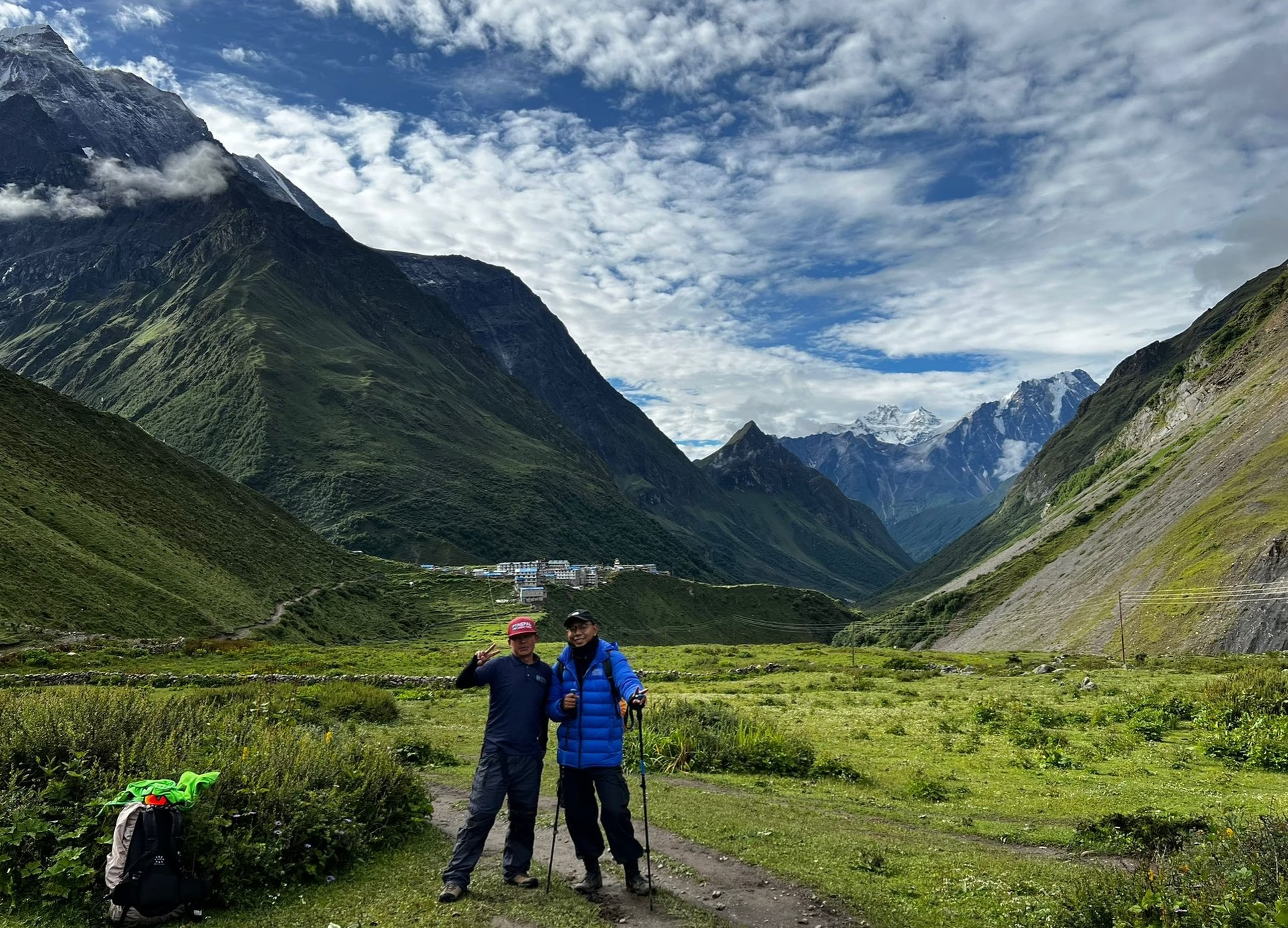
Safety is the most important thing to consider before trekking in Nepal. Can you trip on a rock and break your ankle miles from nowhere? Absolutely but if you walk smart and listen to your body, the Manaslu Circuit isn't some crazy death wish that only elite mountaineers survive. So, Is Manaslu Circuit Trek Safe? It's a well-trodden commercial route, though it bites back hard if you disrespect the altitude. The trails are mostly solid. Rockfalls happen. Weather throws tantrums. Honestly, your biggest danger isn't the mountain itself but it's usually your own stubborn ego refusing to rest when you're tired. Hire a good guide, don't rush, and you'll be fine.

Manaslu Circuit Trek
View detailsAfter the recent flash flood in Bhotekoshi River, people are debating over safety considerations while trekking in Nepal. Is Manaslu Circuit Trek with Serang Gompa Safe? This question has been bombarded in the inbox of the travel planners of the Nepal High Trek. It is same with all the trekking and travel agencies of Nepal. Are you a total beginner? If you've never hiked a day in your life, you probably shouldn't start here. That said, physically fit folks who have done decent multi-day treks at lower elevations do this all the time without ending up in a rescue chopper. You just need to realize that Himalayan scale is a completely different beast compared to a weekend trip in the Alps. The isolation can seriously mess with your head. If you pack right, trust a local guide, and pace yourself like a turtle on tranquilizers, first-timers usually manage safely. Just expect to suffer a bit.
The Main Safety Challenges You Should Understand Before the Manaslu Trek
Let’s not sugarcoat the hazards. Altitude sickness ruins more trips than anything else, creeping up quietly before knocking you flat on your back. Aside from the thin air, you're constantly dodging donkey caravans that will literally push you off a cliff if you stand on the wrong side of the trail. Always stand on the mountain side. Then there's the rockfall zones. Nasty stretches of loose gravel where you just have to shut up, walk fast, and pray gravity takes a day off. Add in dodgy suspension bridges and freezing temperatures, and you’ve got plenty to keep you awake.
Travelers must ensure that they are well informed about the trekking route in terms of safety and trail conditions before trekking in Nepal. Today’s blog is about the Manaslu Circuit Trek but it is also related to many trails like the Everest Base Camp Trek, the Annapurna Circuit Trek, the Annapurna Base Camp Trek, and the Langtang Valley Trek. Nowadays, safety questions are trending and people are surely asking lots of questions about proper safe ways to do trekking activities in Nepal.
Altitude on the Manaslu Circuit: Where Does the Risk Increase?
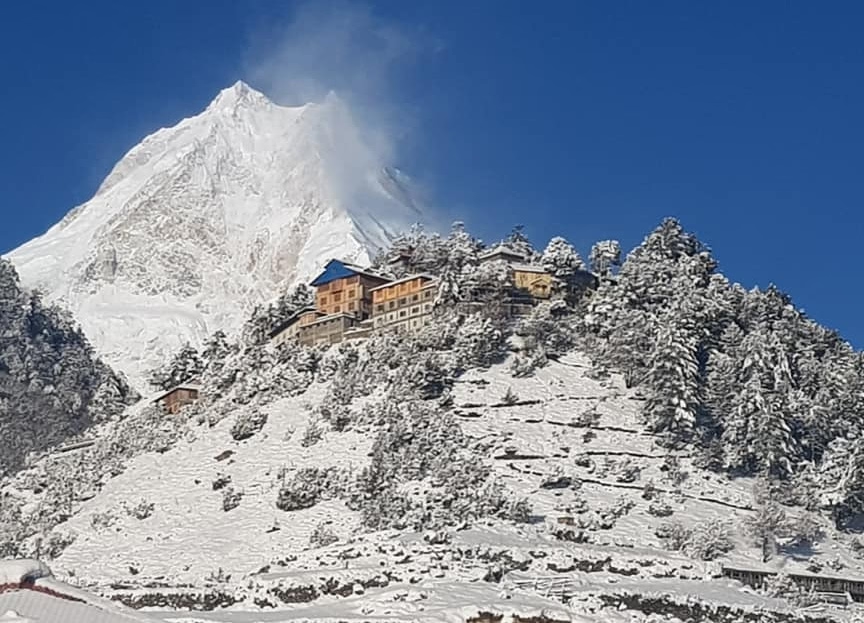
Everything changes once you hit Samagaon at 3,530 meters. Down lower, you're sweating in t-shirts and complaining about the humidity. But right around Samagaon, the air thins out noticeably, and your lungs suddenly realize they are working overtime just to climb a staircase.
Moving up to Samdo and then Dharmasala is where the danger actually spikes. You sleep roughly at 4,460 meters before the pass. That’s brutally high. If you try to skip acclimatization days here, the mountain will absolutely punish you. Take it seriously. Drink endless garlic soup, walk slow, and let your red blood cells catch up. When you ask the question “Is Manaslu Circuit Trek Safe?”, you must know your own activities too.
How to Recognize and Respond to Altitude Sickness on Manaslu?
It usually starts with a nagging headache that feels like a bad hangover. Don't ignore it. Are you dizzy, puking, or feeling completely exhausted even while resting? That is Acute Mountain Sickness knocking on your door, and it doesn’t take no for an answer. The fix is stupidly simple. Stop climbing. Sit down, drink water, pop a Diamox if you carry it, and wait. If the symptoms get worse, you turn around and walk down. End of discussion. Pushing through the pain up here is a fantastic way to end up with fluid in your brain. Just descend.

Tsum Valley Manaslu Circuit Trek
View detailsIs Crossing Larkya La Pass Safe for Normally Fit Trekkers?
Larkya La at 5,106 meters is an absolute lung-buster. Safe? Mostly. Easy? Not a chance. You start walking at 3:00 AM in the freezing dark, slipping on icy rocks while wearing a headlamp that barely cuts the gloom. If you are generally fit and adequately acclimatized, it’s basically just a very long, very painful slog upward. The descent actually wrecks people more than the climb, destroying knees on loose scree. Weather dictates the safety margin entirely. On a clear day, it’s a stunningly beautiful grind. If a storm rolls in, it becomes a frozen, miserable nightmare fast.
Weather Changes and Their Impact on Manaslu Trekking Safety
Himalayan weather laughs at your carefully planned spreadsheet. You might start the morning sweating under a glaring sun, only to be caught in a blinding snowstorm by noon. Seriously, it shifts that fast. Rain in the lower gorges turns the dirt trails into a slippery, leech-infested mudslide. Up high, whiteouts erase the path entirely. This is exactly why you need extra days built into your schedule. If you get caught in heavy snow at Dharmasala, you just wait it out. Trying to push a 5,100-meter pass in a blizzard because you have a flight to catch is suicidal.
.avif)
Are the Roads to and from the Manaslu Trailhead Safe?
I’ll be brutally honest the Jeep ride to Machha Khola is often scarier than the actual trek. You are bouncing along a single-lane dirt track carved into a cliff face, looking hundreds of feet down into a raging river. During monsoon season, these roads just wash away. Landslides swallow whole sections. You’ll probably spend half the ride praying and the other half hitting your head on the roof. It’s part of the adventure, sure. But if heights make you nauseous in a car, you might want to bring a blindfold. It’s bumpy, sketchy, and entirely out of your control.
Monsoon season and shoulder season may bring lots of difficulties. As for example, recently Therang Khola landslide halted the trek but it is now open! These types of things may happen in the Tsum Valley Manaslu Circuit Trek. Overall, the roads are safe! Locals are traveling and tourists are also in the same route. Luckily, there are no news about mishaps and accidents at least in the Manaslu region.
How Remote Is the Manaslu Circuit When You Need Help?
You are delightfully, terrifyingly off the grid. Unlike the Annapurna circuit where there’s a bakery every two hours, Manaslu is proper wilderness. If you snap your leg up past Samdo, a Jeep isn't coming to get you because there are no roads. You are completely reliant on a helicopter rescue, which requires good weather to even take off. Down low, you might get slung over a mule if things go south. There are tiny medical outposts, but they only handle basics. Basically, don't expect a quick ambulance ride. You are out there, and self-reliance is your best friend.
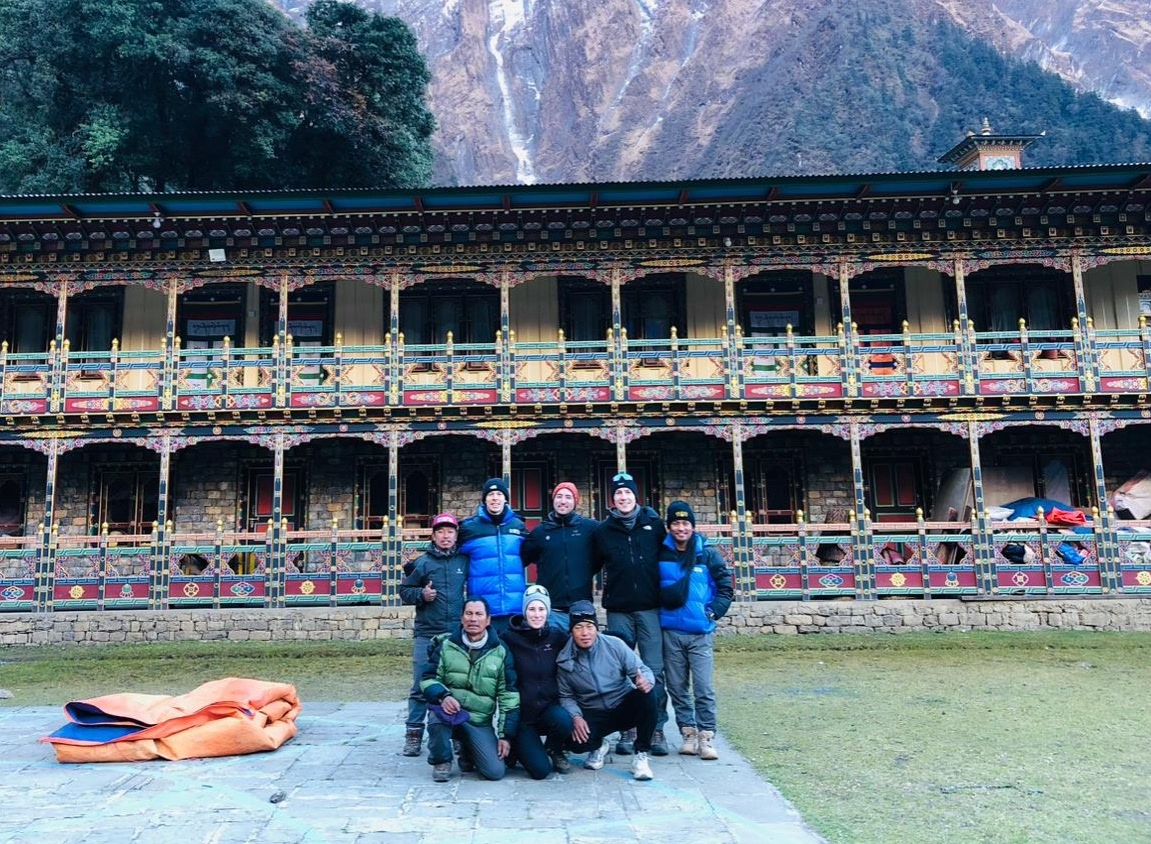
Manaslu Circuit Trek with Serang Gompa
View detailsTrail Conditions, Landslides and River Crossings on the Manaslu Route
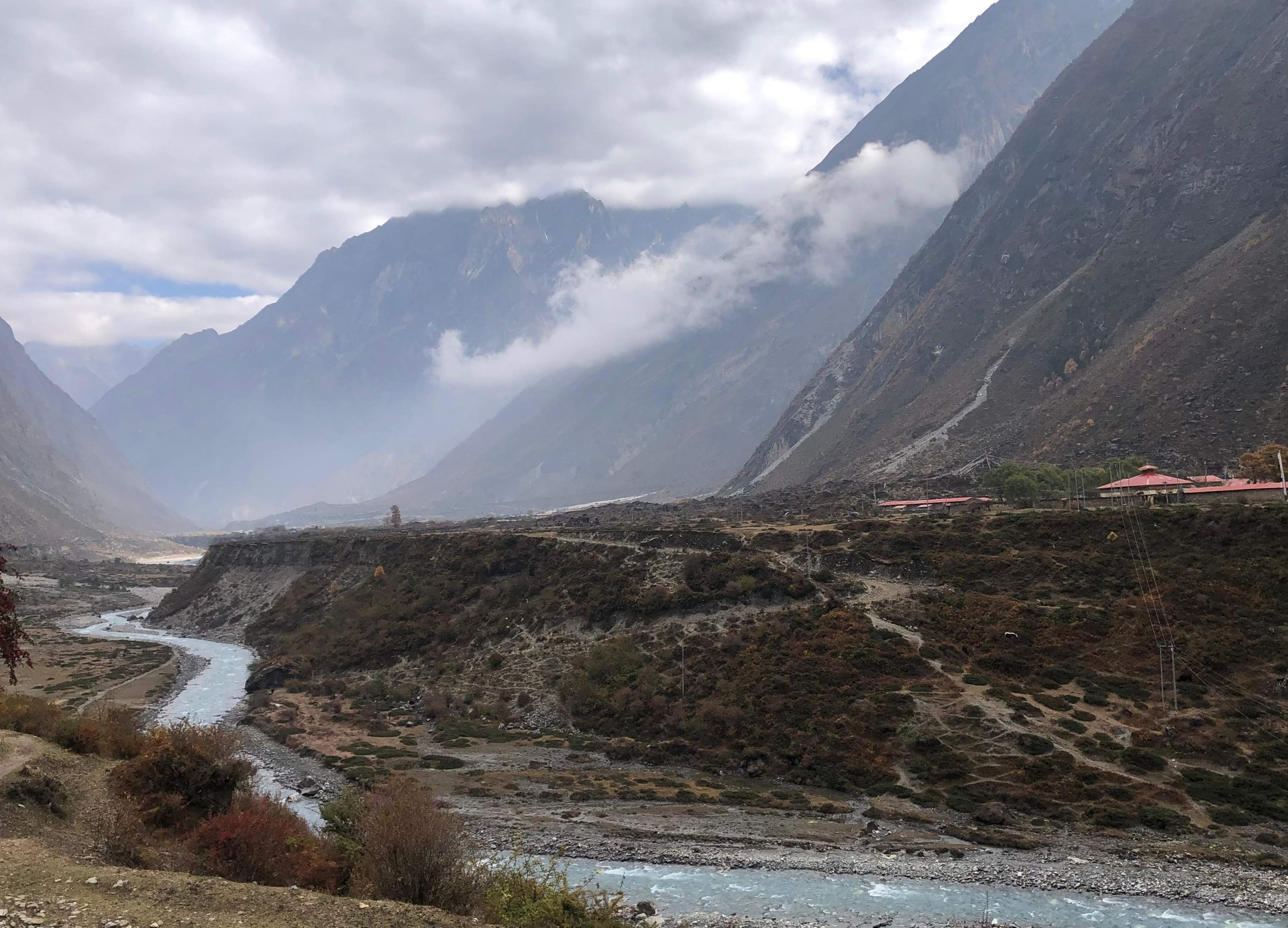
The trail is a mixed bag of dirt paths, rock staircases, and sketchy scree slopes. Landslides are a genuine hazard, especially if you trek right after the monsoon in September. You’ll hit zones where the path simply collapsed into the Budhi Gandaki river, forcing you to scramble over loose dirt while pebbles bounce past your head. Move quickly and quietly through these sections. River crossings? Mostly you’re on bouncy metal suspension bridges strung high across gorges. They are structurally sound, but they sway violently in the wind. Just don't look down if you hate heights. Keep moving forward.
Why a Licensed Guide Adds an Important Safety Layer on Manaslu
Besides being legally mandatory, a guide is your insurance policy against stupidity. They know which water sources will make you violently ill and which tea houses serve undercooked chicken. More importantly, they read the mountain. When the clouds shift, they know if it’s just afternoon mist or a nasty blizzard rolling in. A good guide tracks your breathing, notices if you're stumbling from altitude sickness, and tells you to stop before you realize you're in trouble. They negotiate rescues, translate medical issues, and honestly, they keep you grounded when the isolation and fatigue start messing with your morale.
Food, Water and Hygiene Safety in Manaslu Teahouses
Stomach bugs ruin treks faster than altitude does. The golden rule? Never eat meat past Soti Khola. That chicken has probably been carried on a porter's back in the sun for three days before hitting your plate. Stick to Dal Bhat; it’s cooked fresh and boiling hot. Water is another trap. Don't buy plastic bottles. Use a SteriPEN or purification tablets on tap water everywhere you go. Hand sanitizer is your best friend because hot water and soap are rare luxuries. Wash your hands constantly. Getting dysentery in a place with squat toilets and no heating is pure misery.
Frequently asked
Nepal High Trek
Travel writer and passionate explorer sharing stories and expert guides from the heart of the Himalaya.