
You can find lots of comparison blogs about Everest, Annapurna, Langtang, and Manaslu. In addition, there are numerous blogs that compare Everest Base Camp Trek vs Gokyo Lake Trek or Passes Trek! There are nearly no blogs about Khumbu glacier vs Ngozumpa glacier. Remember that these glaciers are the identities of Khumbu Nepal. It is important to know about these glaciers in today’s time when debate about effects of climate change in Himalayas is heating up! The threat of climate change in mountains is real! We are writing the Khumbu glacier vs Ngozumpa glacier blog today to compare its geographical terrain. Additionally, it is also to highlight the risks of climate change and global warming in the Himalayas of Nepal.
Attention must be shifted towards saving icefalls and glaciers! Every year, the stories of glacial lake outbursts and sudden flash floods in high – altitude places keep popping! It is not coincidence but it is a warning to all of us to act about conserving these natural assets. Let’s know in brief about two iconic glaciers of the Everest region!
An Epic Himalayan Comparison: Khumbu Glacier vs Ngozumpa Glacier
You're probably wondering which ice giant steals the show. Honestly, it’s a tough call. Khumbu gets all the relentless media hype because it casually rests under Mount Everest. Everyone knows it. But Ngozumpa? It quietly dwarfs Khumbu as a sprawling, 36-kilometer monster. Huge. So, while the masses aggressively crowd the Everest trail, smart hikers often slip away to Ngozumpa instead. Look, if you're scraping together cash for an epic adventure, Nepal High Trek handles both these bad boys perfectly for budget trekking. You literally couldn't ask for a better crew to guide you up there.
Location and Geography: Where are Khumbu and Ngozumpa Located?
So where exactly do these frozen rivers hide? Both sit high up in the ridiculously massive Sagarmatha National Park. Khumbu violently dominates the main Everest valley, stretching its chaotic ice right from the Western Col. Wild, right? Now, Ngozumpa completely claims the neighboring Gokyo Valley, spilling slowly from the towering slopes of Cho Oyu. Honestly, navigating these remote valleys feels like stepping onto another freezing planet entirely. You gaze up at these jagged, rock-strewn ice fields and quickly realize you are absolutely nothing out here. That said, getting there requires some serious stamina.
Size and Length: Comparing Nepal’s Two Largest Glaciers
Let's talk numbers, because size actually matters up here. Khumbu stretches roughly 17 kilometers. Not bad. It firmly holds the title for the world's highest glacier, which sounds great on a postcard. Here's the catch, Ngozumpa completely destroys it in sheer length. We're talking 36 grueling kilometers of debris-covered ice. It’s the longest in the entire Himalayas. Walking alongside it feels endless. You just keep hiking, and the rocky, grey glacier stubbornly refuses to quit. Honestly, wrapping your head around a solid 36-kilometer block of slowly moving ice just fries your brain.
The Khumbu Glacier: Exploring the Famous Everest Base Camp Route
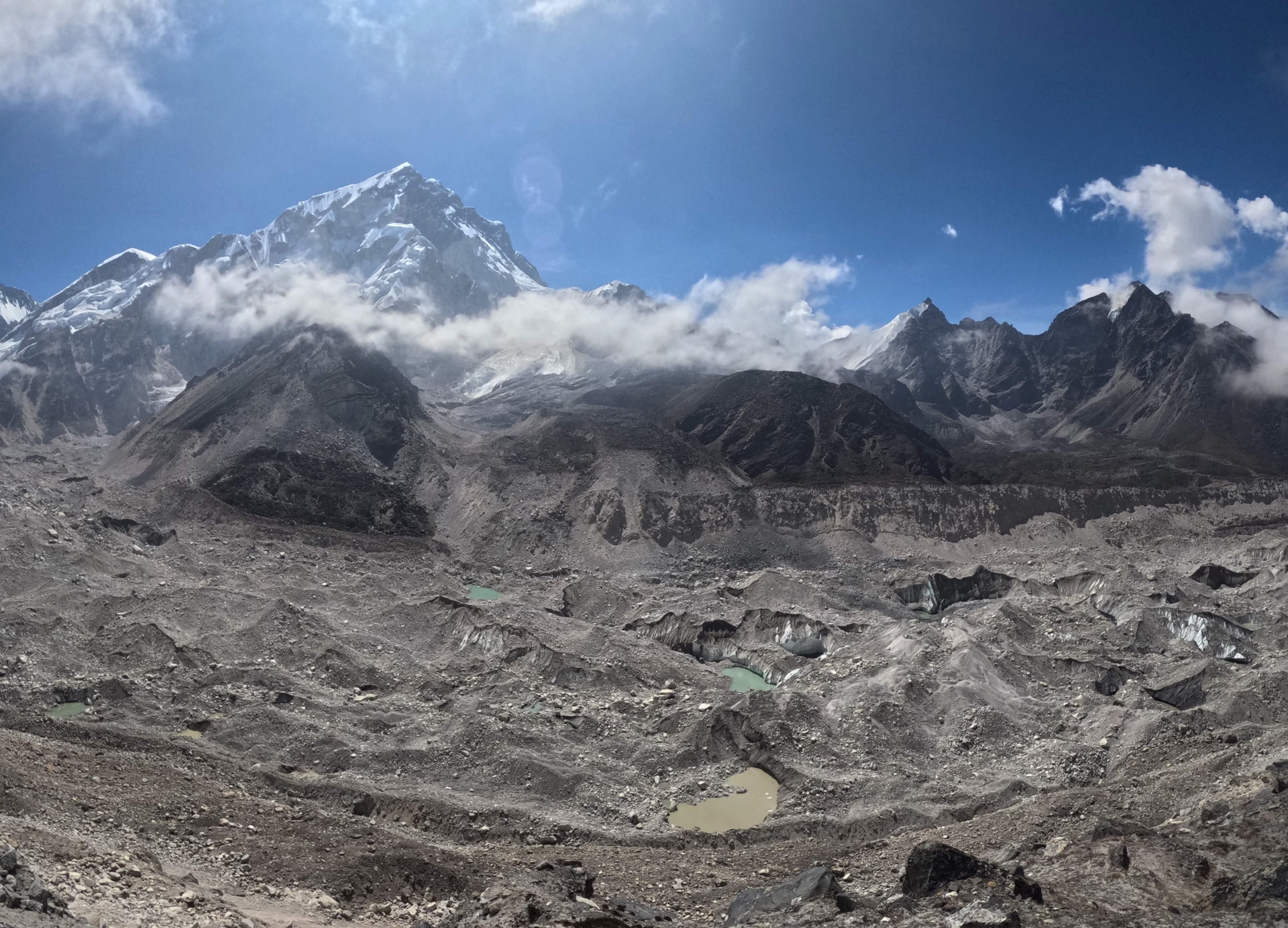
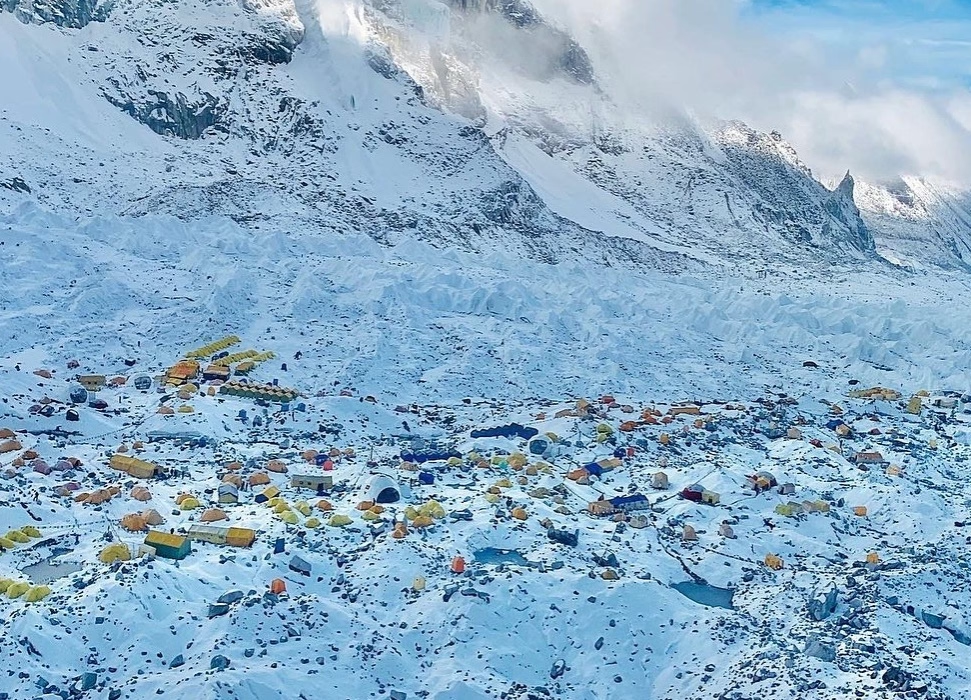
Have you ever tried walking on a giant, shifting gravel pit? Because that’s the Khumbu trail. You don't just admire this glacier; you literally hike directly onto its unstable, rocky spine to reach Everest Base Camp. Exhausting. Sure, the bragging rights are fantastic. But you'll definitely feel every single step slipping on icy debris. Besides, sleeping at Base Camp means camping directly on the freezing ice. You hear it constantly groaning and cracking all night long. Creepy? Yeah. Yet thousands endure the bitter cold just to witness this legendary frozen highway firsthand.
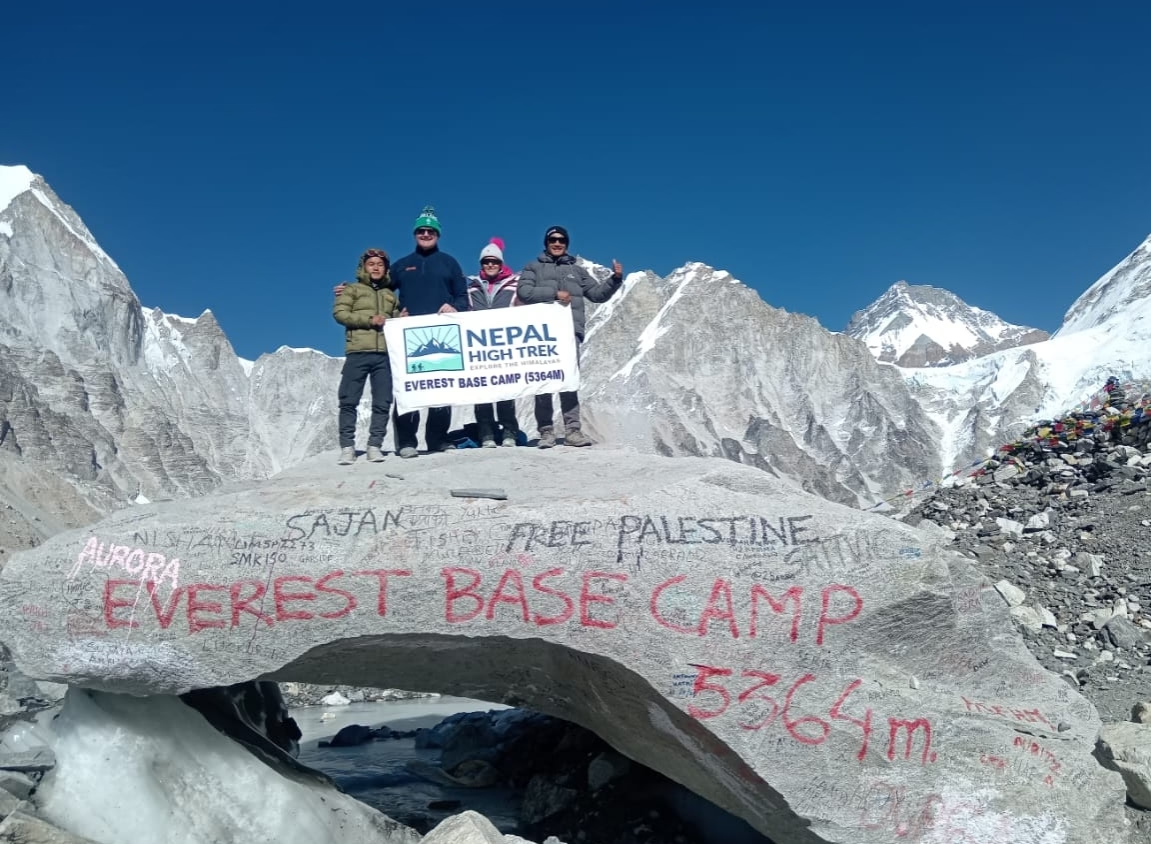
Everest Base Camp Trek: Leave Your Footprint at the World’s Tallest Base Camp
View detailsThe Ngozumpa Glacier: Discovering the Longest Glacier in the Himalayas
Look, Ngozumpa isn't exactly pretty at first glance. It’s severely battered. Covered under thick layers of grey dirt and massive boulders, it honestly looks more like a post-apocalyptic construction site than a winter wonderland. But man, its scale is terrifying. As you hike the Gokyo Valley, this 36-kilometer beast shadows you relentlessly. I couldn't believe it. Deep inside, the ice constantly moves, creating spooky little meltwater pools that expand every single year. You stand on the moraine edge, peer down into the dusty, churning ice valley, and simply lose your breath. Absolutely wild.
Trekking Difficulty: EBC Trek vs Gokyo Lakes Trek
Which trail actually hurts more? The Everest Base Camp Trek is a total traffic jam, but it mercilessly grinds you down with continuous, steep ascents. Gokyo, on the other hand, tricks you. It feels slightly quieter and maybe a bit more gradual at first. Don't be fooled. Getting over the Cho La pass to connect them will absolutely wreck your legs. Honestly, if you're watching your wallet while suffering through this thin air, booking with Nepal High Trek saves you massive headaches. They know exactly how to pace these budget treks so you don't completely collapse.
.avif)
The Infamous Khumbu Icefall: Everest's Most Dangerous Crossing
You’ve seen the terrifying documentaries, right? The Khumbu Icefall is an absolute nightmare. It acts like a massive, frozen waterfall crashing down at terrifying speeds. Towering blocks of ice, some literally the size of apartment buildings, can instantly collapse without a single warning sound. Climbers cautiously strap on their crampons and pray while creeping across flimsy aluminum ladders over bottomless blue crevasses. Crazy. Most normal trekkers just watch this terrifying spectacle safely from Base Camp. That said, hearing a distant, thunderous crack echo off the surrounding peaks genuinely sends freezing shivers straight down your spine.
Recently, Everest expedition paused nearly for a week due to Khumbu Icefall melting! The route was completely blocked and the Ice Fall Doctors had to reroute the trail for climbers.
The Pristine Gokyo Lakes Alongside the Ngozumpa Glacier
Now, contrast all that violent ice with the Gokyo Lakes. Unreal. Fed directly by the melting Ngozumpa Glacier, these six lakes boast this impossible, glowing turquoise color that looks totally fake. You hike up this barren, grey dirt valley, turn a corner, and boom. Vivid blue water punches you right in the face. Besides being the highest freshwater system globally, they just radiate pure peace. Sitting quietly on the muddy shore, watching the jagged snow-capped peaks reflect perfectly in the freezing water... I mean, you just sit there completely stunned. It’s definitely my favorite spot.
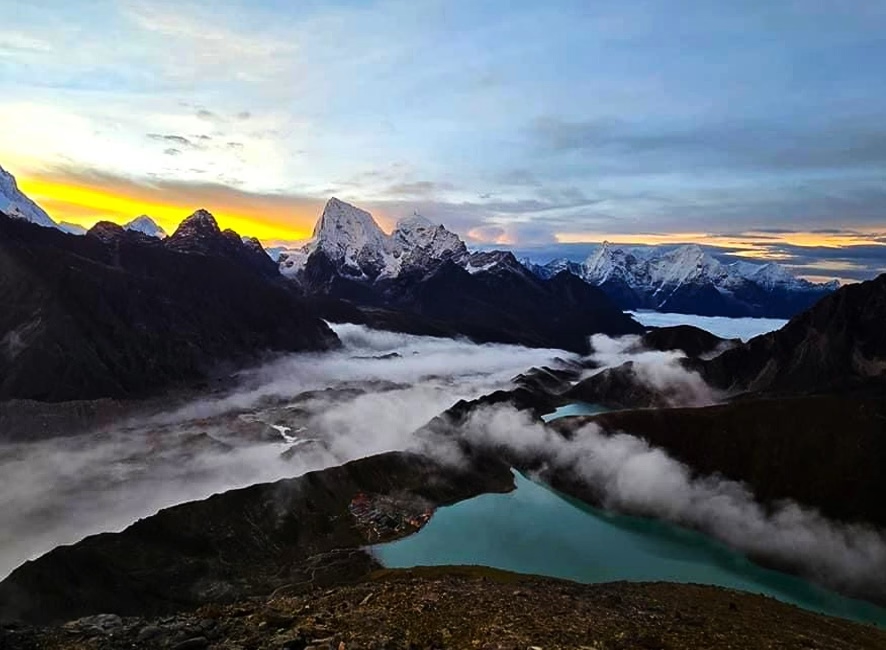
Gokyo Lake Trek
View detailsScenic Viewpoints: Kala Patthar vs Gokyo Ri
While we talk about the Khumbu glacier vs Ngozumpa glacier, we must include Kala Pathar vs Gokyo Ri 5367m debate! These two vantage points are considered the best place to witness Himalayas, mountain valleys, and majestic Himalayan experiences. Kala Pathar is in the Everest Base Camp Trek route near the Khumbu glacier while the Gokyo Ri is near the Ngozumpa glacier adjacent to the blue turquoise lake. Sunrise experiences from both vantage points are enticing and captivating. The best thing about the Gokyo Ri is that it offers sight of Mount Makalu too including Choyou, Lhotse, and Everest. In contrast, Kala Pathar provides unrivaled view of Mount Everest but you can’t see Makalu from Kalapathar. Eventhough, the Three High Passes Trek route combine the all activities of Thame Valley, Gokyo Valley and Everest Base Camp Route.
Tourist Crowds and Trail Traffic: Which Glacier Route is Quieter?
As mentioned above, the Khumbu glacier is in the Everest Base Camp Trek route. Therefore, expect large crowds in Khumbu glacier than in the Ngozumpa glacier route. The route of Khumbu glacier is used by climbers too. Therefore, the number of people here is normally higher than in the Ngozumpa glacier route. Expect tranquil atmosphere in Ngozumpa.
Some adventure lovers choose the Everest Three High Passes Trek, the EBC Chola Pass Trek, and the Everest Two Passes Trek over the Everest Base Camp Trek. It is to make sure that they visit the foothill of the world’s tallest mountain, Mt. Everest and also visit the tranquil Himalayan valley including challenging high passes.
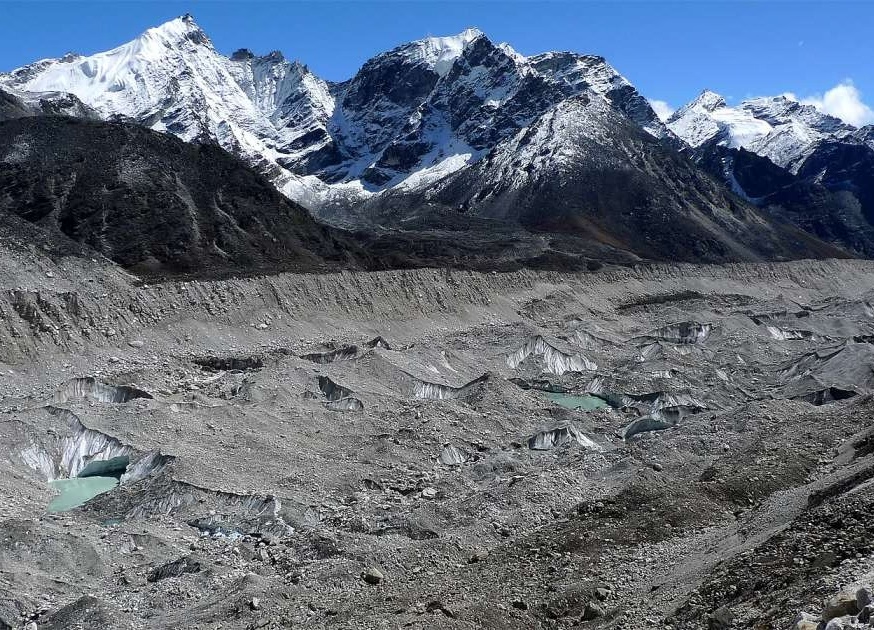
Climate Change Impact: The Melting Ice of the Himalayas
The face of the mountains and glaciers is changing every year! Old trekking guides and locals from Trans – Himalayan regions of Nepal share that the landscape has changed drastically over the years! The weather pattern has changed and rapid melting of ice has increased the risk of glacial lake outbursts. All these are due to change in climate. Who is responsible for climate change? Nepal is obviously not the one to blame for these things! Bigger countries with their rapid industrialization and carbon emitting activities are root causes for climate change.
The Nepal High Trek is a responsible trekking company operating different touristic activities in the higher elevation places of Nepal. We are continuously working to aware people about the threats of climate change. Our blogs about sustainable trekking practices and introductory blog like this about glaciers aim to contribute awareness in glacial health!
I hope that the Khumbu Glacier vs Ngozumpa Glacier blog has sparked a thought in you about glacier health! The main purpose of today’s blog is not only to introduce you about these two iconic glaciers but also to provoke emotions about effects of climate change in the mountains of Nepal.
Nepal High Trek
Travel writer and passionate explorer sharing stories and expert guides from the heart of the Himalaya.