- Duration
- 7 days
- Difficulty
- Moderate
- Max Altitude
- 3800 m
- Destination
- Nepal
- Activity
- Trekking
- Accommodation
- Hotel/Lodge
- Group Size
- 1
- Transport
- Both way Flight
- Meals
- B.D.L.
- Season
- All Round Year
Trip overview
Would you like to explore the Everest region without the risk of altitude sickness? Do you want to be in the village of the Sherpa people? Are you searching for a trip to the Everest region in less than a week? If yes, Everest View Trek is the ultimate trekking trip. In less than a week’s holiday, trekkers can get the wholesome Khumbu experience. Attractions of the Everest Base Camp Trek are Lukla airport, Namche Bazaar, Tengboche Monastery, Hotel Everest View, and Everest Base Camp 5364 m. Except for the chance to leave footprints at the Everest Base Camp, all the attractions of the trip are possible with this short trek package.
Nepal High Trek & Expedition specializes in providing diverse trekking packages. We believe in offering various options to our valued clients. The time and physical constraints can’t bar the chance to be at an abode of Mt. Everest.
Can I get a proper view of Everest during the Everest View Trek?
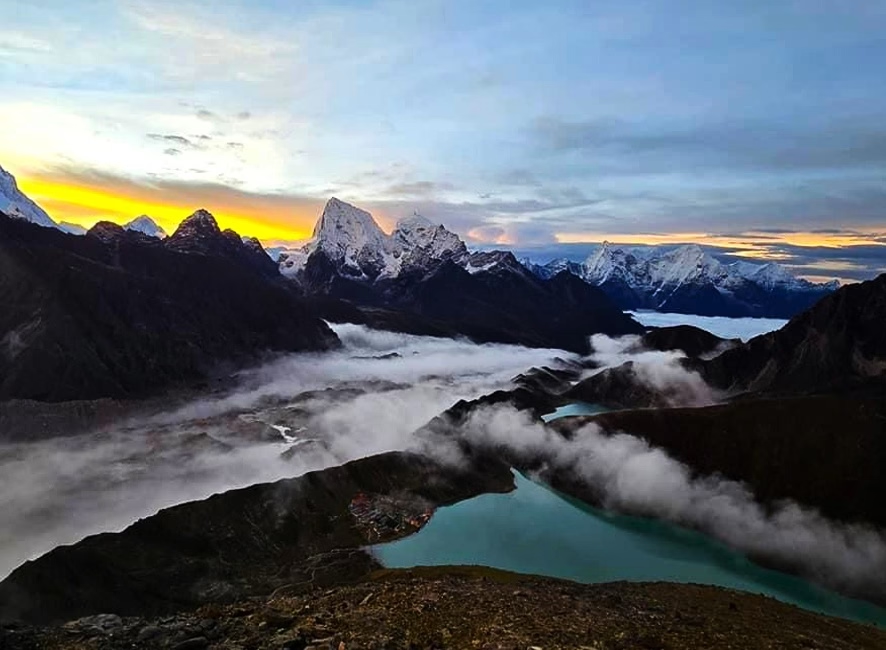
Yes, the view of Mt. Everest during the Everest View Trek is relatively picturesque. From the top of the Tengboche, the sight of Pangboche Valley and Mt. Everest looks spectacular. The world’s most beautiful mountain Mt. Amadablam in the backdrop provides an amazing memory. Moreover, the relaxed itinerary allows travelers to enjoy the view properly more than during the 10 Days Everest Base Camp Trek.
The Everest View Trek is also called the Everest Panorama Trek. As the name suggests, the trek offers a breathtaking panoramic view of mountains and cascading hills. At a low rate and with fewer vacation days, trekkers will be rewarded immensely.
What is the risk of Altitude Sickness during the trek?
Altitude Sickness is the biggest hurdle in Everest region trekking. Thus, lots of trekkers couldn’t finish the trek. However, Everest View Trek is less risky in terms of AMS. The maximum altitude on this trek is 3880 m from sea level. The normal risky altitude for Acute Mountain Sickness starts from a place beyond 3000 m from sea level.
Travelers will have proper acclimatization in the Namche Bazaar. Therefore, it won’t be an issue. However, travel insurance is compulsory. The plan of travel insurance must include Helicopter rescue, emergency evacuation, accidents, and medical expenses. In fact, it is the minimum requirement for any kind of trekking activity in Nepal.
What are the attractions in Everest View Trek?
In terms of Attractions, Everest View Trek is the best short trekking trip. From cultural to natural, attractions on this trail are diverse.
The Tenzing Hillary Airport, Lukla
The Lukla Airport is the world’s most extreme airport. Before the construction of the airport, the Everest region trekking started from Jiri. However, the airport has changed the style of trekking. The mountain flight from Kathmandu to Lukla is fascinating. The plane hovers over the green lush forest hills and through the narrow river valley. As the aircraft approaches the airstrip, the thrill will overpower us. The short runway landing is so thrilling. Some of the travelers spend hours watching the landing and takeoff from the airport by sipping a cup of coffee in a nearby teahouse.
Suspension Bridges
Crossing the suspension bridges hanging above the raging whitewater glacial rivers is so exciting. There is a total of 7 suspension bridges on this trail. The most interesting suspension bridge is the Hillary Twin bridge located at the foothill of the Namche Bazaar. Two bridges located vertically offer the best picturesque site.
Namche Bazaar (3440 m)
Namche Bazaar is the Sherpa heartland and the major marketplace of Khumbu. Up in the mountains at an altitude of 3400 m, you will get numerous quality eateries, bars, shops, and banks. The horseshoe-shaped town faces the Kwangde Ri and Thamserku mountains. The place is also the first acclimatization resting place during Everest region trekking.
The place is the center point for any kind of trekking in the Upper Khumbu area. Trekkers spend at least 2 nights in this place. Some prefer to spend one more extra night in this place during the return trip. At the crossroad of the Thame and Tengboche routes, the place is always buzzing.
Authentic Khumjung Village
The major highlight of the Everest View Trek is the excursion of Khumjung Village and Tengboche Monastery. The village is of Sherpa people and offers amazing experiences. You can have a closer look at the daily lives of Sherpa people. These people are legends in mountaineering. Sir Edmund Hillary has established a school and hospital in the area. Apart from the houses, trekkers can explore the farmlands and surrounding areas as well. If time permits trekkers do visit another big Sherpa village the Khunde as well.
Legendary Tengboche Monastery
The monastery is the spiritual hub of Khumbu. Tengboche Monastery holds the Mani Rimdu Festival as well. The festival is the biggest festival of the Sherpa people. The place where the monastery is situated is the final destination in the Everest View Trek. The sight of mountains looks amazing from this place. The Pangboche Valley in the north and Dudhkoshi Valley in the south with Mt. Amadablam on the backdrop enthrall any trekkers. Cleanse the soul and reward your eyes with an amazing landscape.
All Age Group Friendly Trekking
People of different age groups can do Everest View Trekking within a week. If you want to take your kids or elderly citizen to the Everest region, it is an ideal choice. Moreover, gather the Khumbu experience for your family members. In fact, lots of family trekkers prefer to do the trek. It is less risky and less tiring. No wonder, the trail hosts countless family members. The Short Everest Trek route endows attractions beyond one’s imagination. A mere word can’t describe the excitement gained during the trek.
Itinerary
Itinerary at a glance
| Day | Route | Altitude at destination | Walking | Stay | Meals |
|---|---|---|---|---|---|
| 1 | Kathmandu → Lukla/Phakding | 2,660 m (8,727 ft) | 3–4 hrs | Local Guest House | B/L/D |
| 2 | Phakding → Namche Bazar | 3,440 m (11,286 ft) | 7–8 hrs | Guest House | B/L/D |
| 3 | Namche Bazar → Everest View | 3,880 m (12,730 ft) | 4–5 hrs | Guest House | B/L/D |
| 4 | Namche Bazar → Tengboche Monastery | 3,885 m (12,746 ft) | 6–7 hrs | Guest House | B/L/D |
| 5 | Tengboche → Monjo Village | 2,880 m (9,449 ft) | 6–7 hrs | Guest House | B/L/D |
| 6 | Monjo Village → Lukla | — | 6–7 hrs | Guest House | B/L/D |
| 7 | Lukla → Kathmandu | 1,345 m (4,413 ft) | 35 min | Guest House | B/L |
Day 1:Flight to Lukla 2,820 m from Kathmandu and walk to Phakding 2,640 m – (35 mins on air and 4 hours walks)
Early morning depart from your hotel in Kathmandu for a short drive to Kathmandu domestic airport taking short flight in a smaller aircraft reaches you at Lukla. Lukla located at 2,820 m beneath Naulekh Himal and Kongde peaks, a Sherpa town with a small airstrip named Tenzing and Hillary airport, a tribute to the late conqueror of Mt. Everest. From Lukla walk starts on a gentle gradual path through nice Sherpa farm villages to reach first our overnight stop at Phakding village near Dudh Kosi River.
- 02
Day 2:Trek to famous Namche Bazaar 3,440 m – 06 hrs.
After Phakding morning starts with a slow climb crossing bridge to reach a lovely village, Monjo, with views of Tharmasarku peak, then enter Sagarmatha National Park.
Sagarmatha a name in Nepali for Everest and Sherpa calls Chomolungma, the walk continues past Jorsalle the village before Namche Bazaar, walk-on river bed with a short climb to cross a high bridge. After the bridge climb starts on a winding path within a forest of pines, firs, oaks and rhododendron trees, slowly ending our day on reaching at famous Namche Bazaar for the overnight stop.
- 03
Day 3:Rest day at Namche for acclimatization and short scenic hike.
Namche famous and large village, one can find nearly all types of facilities from banks, post-office, nice lodge, and hotels with many restaurants and bakeries including Pubs and bars to enjoy on the way back. Namche holds a busy colorful market once a week on Saturday, an interesting bazaar to observe local customs and cultures of Khumbu Sherpa native.
Short walks to National Park museum an interesting place on top of Namche Bazaar, where you can catch views of Everest, Lhotse, Nuptse, and Amadablam with series of peaks. Everest View Hotel, a climb of an hour to Syangboche and then easy uphill to the highest deluxe hotel of Khumbu at 3,880 m rewards grand views of Mt. Everest and range of peaks in a serene environment.
- 04
Day 4:Trek to Tengboche Monastery 3,867 m – 05 hrs.
From Namche Bazar morning walk leads east on a wide scenic trail with views of Everest and other high peaks, as walk heads downhill to a small place called Phunge-Tenga for a short break or possible lunch stop.
Afternoon a few hours climb into cool rhododendron, pine, and fir tree forest to reach Tengboche, a famous spot for mountain panorama with views of Everest and majestic Mt. Amadablam at close distance. Tengboche and interesting monastery, visit the monastery and witness Buddhism religion and culture, where once a year in the month of October or early November a great colorful festival held called Mani-Rimdu.
- 05
Day 5:Trek to Monjo 2, 880 m via Namche Bazaar – 07 hrs.
From Tengboche enjoying grand mountain views walk downhill to reach a bridge over Imjatse River after crossing walk takes you with a slow climb and then on the nice wide path to Namche. After a refreshing break at Namche afternoon, a long descend to reach Dudh Kosi River and then past Sagarmatha National Park to reach at Monjo village for an overnight stop.
- 06
Day 6:Trek to Lukla – 04 hours with afternoon free at leisure.
Last day walk of our adventure, as morning starts, from here walk and cross a long bridge to Phakding.From Phakding head towards Lukla where route lead with up and downs with last final climb of the short hour to reach Lukla for last overnight stop around Khumbu and Everest region.
Day 7:Fly back to Kathmandu and end of the trip.
After a pleasant overnight stop in Lukla with fabulous mountain views, after early breakfast short walk to Lukla air terminal for short exciting flight to land around hustle and bustle city life of Kathmandu, then transfer to your hotel with time in the afternoon for individual activities and shopping. Evening enjoys last day group dinners in a pleasant Nepalese restaurant with folk dance and music from various parts of Nepal to entertain you with the last dinner in Nepal.
Are you looking to customize the trip itinerary?
If the provided schedule is not suitable for you, we can create a personalized travel arrangement tailored to your preferences and requirements.
Cost breakdown
What's included
All ground transportation
Two-night boutique hotel in Kathmandu with breakfast.
Meals during the trek (Breakfast, Lunch, and Dinner).
Both-way domestic airfare (Kathmandu-Lukla-Kathmandu)
An experienced, expert, helpful, and friendly mountain Guide ( Included Accommodation, Transportation, and Insurance)
One strong porter for each two clients (No porter for solo travelers).
Sagarmatha National Park Permit.
Khumbu Rural Municipality Entrance Ticket.
1 Assistant guide above 6 people (Including his salary, food, accommodation & insurance.
6-night good Accommodation throughout the trek. (One private room for every two clients)
Seasonal fresh fruit throughout the trek.
Gears Dawn jacket, sleeping bag, T-shirt, Trekking pole & duffle bag. (If required )
An arrangement of Emergency Helicopter service will be paid by your Travel insurance company.
Medical kit bag.
What's not included
Your high altitude emergency travel insurance.
All the expenses in the mountain over than scheduled itinerary (due to strike, delay, or canceled flight)
All the Bar bills and personal expenses (phone call, laundry service, Wifi, battery recharge, a bottle of water, hot water, desert & shower.
Tips for the guide and porter.