
Recently Nepal Tourism Industry has been rocked by the global news of fake rescue scams. Nepal is known for integrity, hospitality, and respect towards its visitors. Unfortunately, these recent scam news about fake helicopter rescues have tarnished the clean reputation of the industry. Please note down that these actions don’t reflect the values of all trekking companies and people. Everywhere you go in the world, you will find some people who go against the rule. Few people’s actions don’t define the character of all. As a reliable trekking company, we are here to help you avoid these scams. How to avoid fake rescue scams while trekking in Nepal? Let’s find answers to these questions.
What Is a Fake Rescue Scam in Nepal? Why Fake Rescue Scams Happen in Trekking Regions?
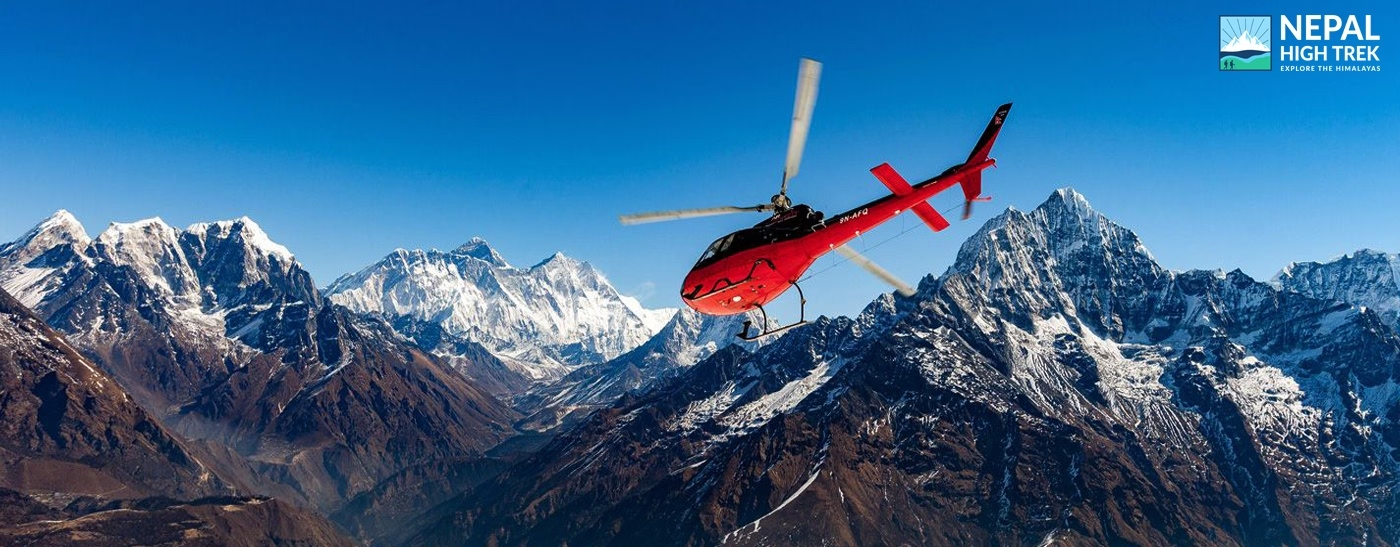
High in the mountainous region of Nepal, the accessibility options are less. If you get into an accident and feel ill, only way to return back to safety is by helicopter. Therefore, people wish to utilize this situation and capitalize on earning money. Trekking regions of Nepal are in the higher – elevation places. The geographical terrain of the area is harder for proper rescue chances by foot. Moreover, it may not be fast enough to save the lives of people. So, it is important to get quick helicopter rescue. Then, how to avoid fake rescue scams while trekking in Nepal?
One should be aware of lots of facts. Please note that some trekkers they themselves fake about the illness and try to get insurance money for return trip. If you do so, then it is beyond the control of the trekking company. Refrain from these actions. You may not get the proper claim of insurance.
Common Scam Areas Like Everest Base Camp and Annapurna Region
Everest Base Camp, Manaslu Region, Langtang region nd the Annapurna region are two commercial trekking locations of Nepal. Therefore, the regions host more than half percentage of trekkers coming to Nepal. These places are in the high – altitude places. Minor headache or altitude sickness symptoms may appear in these places if not followed the trek guidelines properly. Moreover, the access to these places is by helicopter only. If a trekker is pursued with proper explanation, then they may be easily persuaded.
How Trekkers Are Targeted During High Altitude Treks?
Yes, you must know the ways trekkers are targeted during high altitude treks. After finding out these ways, you can also find answer to the question “how to avoid fake rescue scams while trekking in Nepal?” and make decisions. So, let’s find out. Normally, ill intention filled trekking guide rush your trekking. They may not recommend proper acclimatization activities. Usually, trekking guides target people above 55 years old and a group with different age group. Different age group may not maintain the group pace. Travelers may feel pressured to keep up the pace which may get them exhausted. Thus, people may start to push for medical care and rescue.
Once you have reached the final destination, trekkers may feel exhausted. Furthermore, you may not feel comfortable to retrace the same trail back to trail end place. You may be tempted to use the helicopter rescue option just to skip the retracing trek. Hence, people get chance to play with your emotions. So, beware of this.
Understanding Acute Mountain Sickness vs Real Emergencies
While talking about how to avoid fake rescue scams while trekking in Nepal, we shouldn’t skip AMS. Everyone must know about acute mountain sickness. There are three types of altitude sickness. Minor altitude sickness can be cured with proper acclimatization, light dosage of altitude pills, and rest. However, people with ill intentions may push for rescues even during minor symptoms.
HACE (High – altitude cerebral edema) and HAPE (High – altitude pulmonary edema) are life threatening. Therefore, you must be aware of your situation before the minor sickness turns to these fatal situations. Usually, the HACE and HAPE occur due to rapid ascent. If you gain more altitude without proper acclimatization in the places above 2500 m, then you are likely to have these conditions. So, plan properly and follow natural trekking guidelines.
How to Verify Your Travel Insurance Coverage? Contacting Insurance Before Approving Evacuation
Make sure that you verify your travel insurance coverage. Talk with the travel experts of a reliable trekking company. Contact the travel insurance company before approving evacuation. Firmly state your conditions and don’t try to misuse the term rescue just to avoid return trek.
When Helicopter Rescue Is Actually Necessary?
As mentioned above, if the situation is worse, then you must use a helicopter rescue. In case of accidents and physical injuries, you must ask for a helicopter rescue. The cases of HAPE and HACE need immediate helicopter rescue to take you to the nearest medical center. Furthermore, the cases of diarrhea, fever, and relapse of your old illness need immediate helicopter rescue.
How to avoid fake rescue scams while trekking in Nepal?
Please avoid suspicious medical clinics in places like Namche Bazaar and Manang. Don’t skip acclimatization activities during the trek. Manage your passport and insurance documents safely. Do not hand over your insurance details to your trekking guide. Give the details and copy of the insurance to the city office before the trek. Communicate properly with the trekking company and insurance company before evacuation.
The best way to avoid fake rescue scams is to follow the proper itinerary. Eat soupy foods. Drink plenty of water throughout the trek. Sleep early. Acclimatize properly to adjust the elevation gain.
Signs of Unnecessary Helicopter Evacuation Pressure: Red Flags Every Trekker Should Know
Be smart and always observe the body language of your trekking crew member. Look out for red flags. In fact, these red flags observation are answer to the question about how to avoid fake rescue scams while trekking in Nepal.
Here is the list of the signs of unnecessary helicopter evacuation pressure:
Trekking agencies or guides repeatedly insisting on helicopter evacuation despite mild or manageable symptoms (e.g., slight headache, fatigue).
Sudden claims that your condition is “life-threatening” without proper medical assessment or use of basic checks like oxygen level.
Pressure to decide quickly, often creating panic, without giving you time to rest, hydrate, or descend gradually.
Lack of clear explanation about why a helicopter is necessary versus safer, cheaper alternatives like acclimatization or walking down.
Coordination between guide, helicopter company, and sometimes even clinics that seems overly fast or pre-arranged.
Being discouraged from contacting your insurance provider directly before agreeing to evacuation.
Exaggeration of symptoms in communication with insurance companies to justify the rescue.
Mention of “insurance will cover everything” to make you less concerned about the cost.
Guides or staff receiving commissions or incentives for arranging helicopter rescues.
No attempt to use first aid, medication, or standard altitude sickness protocols before suggesting evacuation.
Other trekkers with similar symptoms being advised to rest, while you are singled out for evacuation.
Reluctance to let you consult another guide, doctor, or experienced trekker for a second opinion.
Inconsistent information about weather, trail conditions, or risks used to justify urgency.
Pressure increases when you show hesitation or ask detailed questions.
You feel rushed, confused, or manipulated rather than medically reassured and informed.
Government Regulations Against Rescue Fraud
Nepal government has launched strict investigation into the matters of fake rescues. In fact, lots of backlashes from the international media have compelled the government to crack down on these scams. For years, lots of government tourism authorities and reliable tourism entrepreneurs were working hard to crack down these scams. Finally, the new government formed after Genz Revolution led election in Nepal carried the strict actions against such activities. Helicopter companies, hospitals, and trekking companies were investigated. Till today, lots of people are already behind bars.
Please be assured that Nepal is absolutely safe for traveling. Few people can’t define the ethics and values of all trekking companies and tourism entrepreneurs. The company like the Nepal High Trek is committed in creating a trustworthy environment for trekkers.
Consult with the right trekking company and book only from Nepal government registered trekking company. Check out the trekking reviews on various review platforms across the internet before booking the trek. Follow safe trekking itinerary.
Nepal High Trek is a genuine Trekking Company of Nepal
This blogger can confidently recommend the Nepal High Trek for any kinds of trekking activities in Nepal. The agency has been awarded with the travel awards for its integrity and contribution to the sustainable tourism development in Nepal. The officials of the Nepal High Trek pledge that the company never practices such a malicious act. We try to make sure that you are well informed and you are well priced for the trip.
I hope that you got an answer of question “how to avoid fake rescue scams while trekking in Nepal?” and you can make safe decisions.
Nepal High Trek
Travel writer and passionate explorer sharing stories and expert guides from the heart of the Himalaya.