10 Questions to Ask Nepal Trekking Company Before Booking
Before booking a trek in Nepal, ask the company who will guide you, how the itinerary allows time to acclimatize, and what happens if you need to turn back. Request a written quote covering safety protocol, permits, transport, tea house meals, and porter services so you can compare packages. These ten questions also help you understand group size, insurance requirements, and cancellation terms before you pay a deposit.

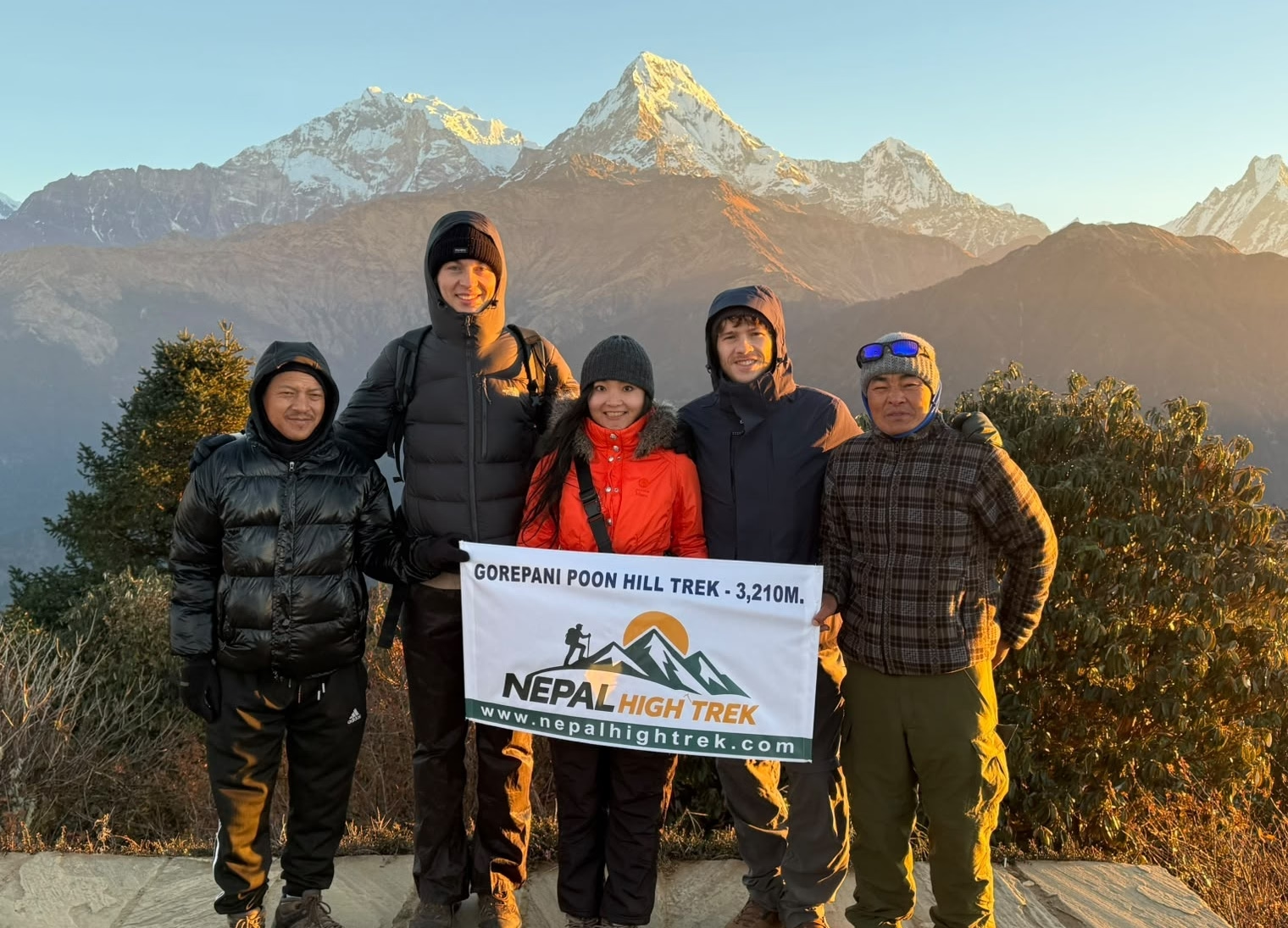
Make sure that you book the Himalayan trip to Nepal after confirming different things. It should never be a blindfolded gambling as you have invested lots of money for trekking in Nepal. Every season in Kathmandu, lots of trekkers flock and get ready for trekking and tour activities. Getting the best local and trusted trekking company is very important for hassle free journey. Today’s blog is about giving you 10 questions to ask Nepal Trekking Company before booking. This blogger has handpicked major questions that you must ask travel planners to ensure best prices, safety, and information. There are thousands of trekking websites but you must be with the reliable trekking company with good track record and experienced trekking crew members like the Nepal High Trek.
Well, here at Nepal High Trek, travel planners encourage trekkers to ask as many questions as possible. Moreover, the trip plans and itinerary are clearly mentioned to clients. Guides are introduced and services included in the packages are clearly mentioned in email or messages. Look, flashy Instagram reels and fluffy words don’t ensure safety and reasonable trekking packages. Therefore, these 10 questions to ask Nepal Trekking Company before booking can help you plan for an amazing holiday.
If any trekking company’s travel planners dodge these 10 questions to ask Nepal Trekking Company before booking, then avoid these scammers. Check out the reviews of the company in different sites like TripAdvisor. The best thing is to talk directly with the travel planners and state your own preferences. Ask to customize the trip according to your choices.
Why Choosing the Right Trekking Company Matters in Nepal?
Trekking routes of Nepal pass through hills, mountain passes, valleys, rivers, and forests. Therefore, you need to consider different things especially safety issues are the biggest concerns. Proper time to trek and reasonable pricing matter a lot. Therefore, you must choose the right trekking company in Nepal. Some trekking companies cut their trek prices and hide lots of costs that incur during trekking activities in the trail. Furthermore, there are also some instances when trekkers are not received in the airport as promised. If you are thinking to avoid such incidents, then book the trek with the right and registered trekking company.
Besides budgeting and services options, you must also ensure that you are safe while trekking with the crew members of the company. For example, you are suffering from common cold and fever in Lobuche but your crew members don’t take care of you or perform emergency actions. This is not possible when you travel with the registered and licensed trekking company.
Honestly, picking a Kathmandu registered local trekking company like Nepal High Trek isn't about fancy pillows. It's about who actually answers the phone at 2 a.m. when trail plans collapse and real lives hang in the balance. Yes, you need the company like the Nepal High Trek whose officials are available to solve your queries and provide you impeccable hospitality including quality services from your arrival in airport to departure.
List of the 10 Questions to Ask Nepal Trekking Company before booking
The common mistake of travelers is that they hunt for the lowest quote. Seriously, chasing rock-bottom numbers is the fastest way to invite corner-cutting into your trip before you even clear customs at Tribhuvan Airport and it is not highly recommended by registered trekking company. Accountability matters a lot. Registered trekking company are bounded by law and they must follow directions according to their doctrines while registering the company.
The process of booking a trek in Nepal is inquiry – questioning – agreeing – deposit – confirmation – receiving. Before you enter agreeing phase, these 10 questions to ask Nepal Trekking company before booking matter a lot. Treat this like a blunt interview. You're hiring real humans to keep you fed, dry, sane, and upright across lung-squeezing Himalayan passes, so why settle for vague brochure promises? Some agencies squirm under direct questions. Here at Nepal High Trek, we actually want you grilling us with these exact ten questions or even more which are not mentioned in this blog. It is because watching how an operator responds separates genuine local mountain crews from hollow booking middlemen almost instantly.
Let’s find out 10 Questions to ask Nepal Trekking Company before booking with some answers too.
1. What Exactly Is Included in the Trekking Package Price and proper itinerary?
The first thing you must ask is the list of the things and services that are included in the trekking package. The price and proper itinerary must be clearly defined. Sometimes, you may not realize that a trekking package doesn’t provide you porter service and you assume you get one only to find out the extra cost for porter use. Therefore, ask for the written included things either on PDF or plain writing.
Check out the Includes section of the Everest Base Camp Trek package of the Nepal High Trek.
What's included
All ground transportation (Including 2 times international and 2 times domestic airport pickup & drop off)
Two-night boutique hotel in Kathmandu with breakfast.
Meals throughout the trek (Breakfast, Lunch, and Dinner).
Round trip domestic flight ticket (Kathmandu-Lukla-Kathmandu or Ramechhap-Lukla-Ramechhap)
An experienced government-licensed guide (includes accommodation, Transportation, and Insurance)
A porter for every two trekkers. (No porter for solo travelers).
Sagarmatha National Park Permit.
Pasang Lhamu Rural Municipality Entrance Ticket.
1 Assistant guide above 6 people (Including his salary, food, accommodation & insurance.
11-Night tea house basis good Accommodation throughout the trek. (One private room for every two clients)
Seasonal fresh fruit throughout the trek.
NHTE’S Dawn jacket, sleeping bag, T-shirt, Trekking pole & duffle bag. (If required )
An arrangement of Emergency Helicopter service will be paid by your Travel insurance company.
Medical kit bag throughout the trek.
For 1 Pax at 1499 $, you get all the things that are mentioned in this section. Besides the things mentioned in the included section, you have to pay by yourselves. So, always be aware before booking to analyze what are the services that you are getting after purchasing the trekking package.
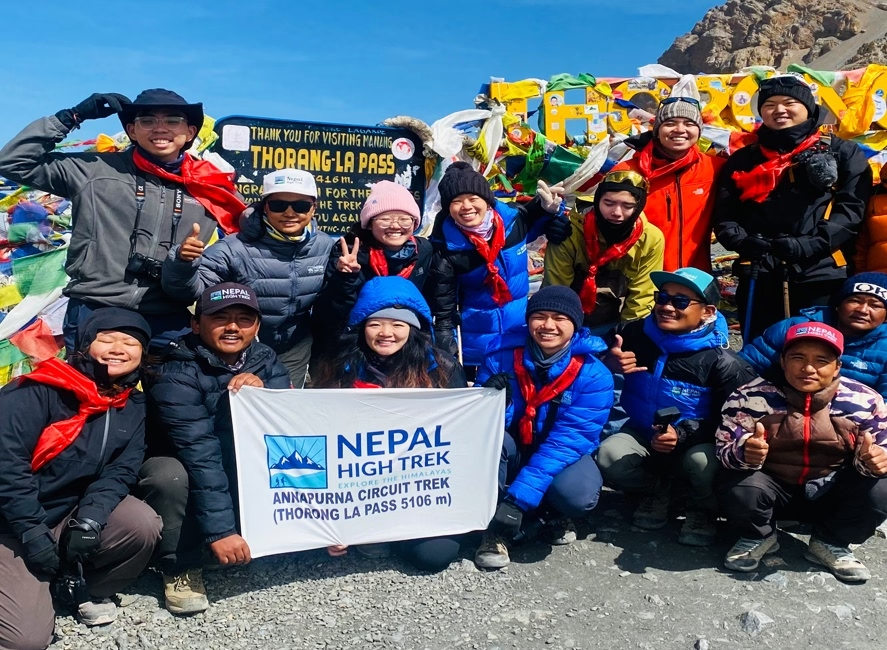
Annapurna Circuit Trek: Explore the world’s longest Thorong La Pass
View details2. Are There Any Hidden Costs or Additional Charges During the Trek?
Always ask about any hidden cost or additional charges during the trek. Yes, understanding the included section of the package gives you idea about what’s extra but still you must ask this question. After asking the question about hidden costs or additional charges, you can plan to carry extra amount of cash during the trek. Furthermore, it will also give you an idea about things to expect. Similarly, after knowing about hidden costs, extra charges, and trail’s needed things, you can surely plan in terms of budget.
Note down that almost every trekking route of Nepal charges extra money for hot showers, WIFI internet, battery charge, and meals – beverages not mentioned in included section. Now, trail extras like cold beers, hot drinking water, and tips to your trekking crew members are genuinely normal out of your own pocket which are not included in the trekking package. Here's the catch: you deserve straight numbers upfront, which is why Nepal High Trek hands you a brutally honest pocket-money sheet (how much extra cash to carry) weeks early so you aren't getting nickel and dimed at altitude.
3. Does the Company have Certificates, TAX permits, licensed Guide Porter, and Affiliations? Are local crew members Insured?
Demand to see the paperwork. Seriously, don't just nod politely when travel planners give you the cost and itinerary. Make sure that you ask for the credentials of the company and also the credentials of the trekking crew members you are going with. These things are very important as you may face serious issues later on. Safety must be the biggest priority in terms of life and money. Therefore, this blogger kept this query in our list of 10 questions to ask Nepal Trekking Company before booking.
Besides, you've got to check on the porters hauling your heavy duffel across icy ridges, because under Nepal's labor laws, agencies must arrange real accident and medical insurance for their staff. Sounds basic, right? At Nepal High Trek, every guide holds a proper government license and every porter gets insured, warmly outfitted, and treated like family with zero shady back-alley shortcuts. You can also check the credentials like Nepal Tourism Board registration, Tax Office Registration, Company Registration, Foreign Exchange Handling Nepal Rastra Bank Registration, and Tourism Authorities (TAAN, NMA) registration certificates of the Nepal High Trek published in the official website.
4. What Is the Company's Policy on Altitude Sickness and Emergency Evacuation?
Thin air doesn't care how many marathons you've run. Even twenty-year-old triathletes crumble around Lobuche when acute mountain sickness hits, and watching an untrained guide freeze up while staring at a pulse oximeter is downright terrifying. So grill them hard. Ask whether their guides carry first-aid kits, check blood oxygen daily, and actually possess the backbone to pull the plug on your climb if symptoms turn ugly. Ensure that your trekking crew members are carrying the first aid kit or not. Are these crew members trained in basic primary health aids.
Helicopter logistics matter just as much. Nepal High Trek enforces strict turn-back rules and coordinates directly with rescue choppers and your insurer, ensuring an oxygen-starved brain never leaves you stranded waiting on slow bureaucracy. There are lots of scams especially for helicopter rescue. The policy of the Nepal High Trek is to ensure everyone is safe and reaches the destination without any incidents. We don’t activate the policy of helicopter rescue unless it is urgent. Please make sure that your trekking company can communicate with the required authorities in times of emergencies.
5. How Does the Company Handle Flight Delays and Itinerary Changes?
Do you know that the biggest problem with the smooth operation of the Everest Base Camp Trek in Nepal is the Lukla weather that mocks your trekking schedule. You can map out your Everest schedule down to the minute, and then a stubborn curtain of valley fog grounds every Twin Otter out of Ramechhap for seventy-two miserable hours. What happens next?
Cheap agencies usually shrug, dodge your texts, and leave you on the hook for surprise hotel bills or pricey shared helicopter seats while your flight home slips away. Ask about buffer days upfront. At Nepal High Trek, we build realistic wiggle room into weather-prone routes and lean on our local airport network nonstop, keeping your trip rolling instead of leaving you rotting in a noisy terminal. Quality company ensures possible options.
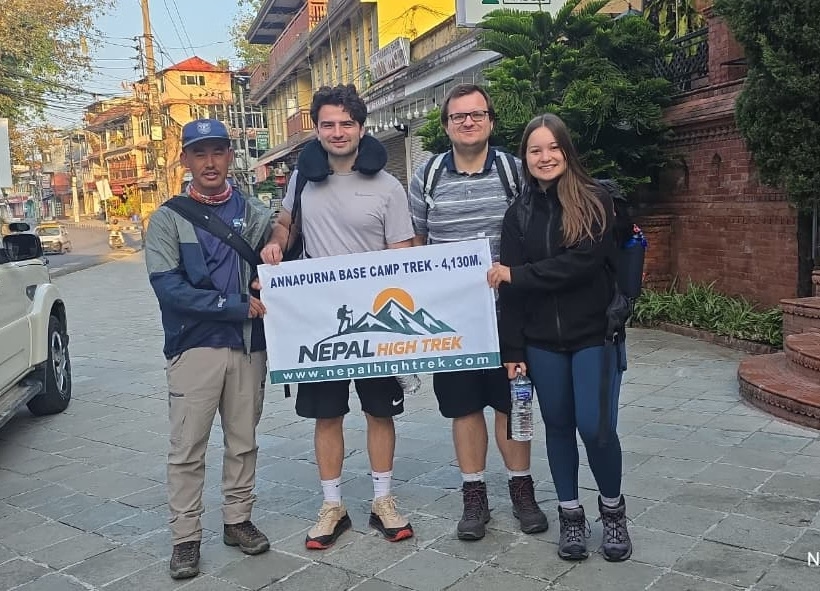
Recently, lots of trekkers who booked the Langtang Valley Trek couldn’t go trekking in this trail due to the devastating Bhotekoshi River flash flood. Therefore, the travel planners of the Nepal High Trek redirected these trekkers to the Annapurna Base Camp Trek or the Annapurna Circuit Trek route. Some trekkers even went to the Everest Base Camp Trek and the Manaslu Circuit Trek route.
6. Does the Company Offer Private Treks and Fixed Group Departures?
Understand about the fixed group departure treks and private treks first. You can check out our Everest Base Camp Trek Fixed Departure blog to know more about this. There are some differences between these two types of treks. Private treks mean that you travel in your own customized trekking itinerary with your own group whereas fixed group departures mean that you join fellow trekkers from other groups. Maybe you're a solo traveler itching to split costs and swap trail stories over hot ginger tea with a lively bunch of strangers from six different countries. Grab a fixed departure.
Then again, maybe matching pace with a hyperactive runner who sprints up every stone staircase makes your knees ache just thinking about it. Fair enough! Not everyone walks to the same drumbeat. Private treks let you linger for sunrise coffee or call it quits early when your legs feel cooked, and Nepal High Trek runs both formats cleanly so you pick social buzz or pure trail freedom without awkward compromises. So, always ask the question whether the trekking company can actually organize private and fixed group join treks or not before booking. Book according to your preferences.
7. How Much Weight Can Each Porter Carry?
This question reveals an agency's soul fast. Walk busy trails in peak season and you'll still spot miserable, underdressed porters staggering under forty-kilogram towers of tourist luggage just so a cut-rate outfit can pocket twenty extra bucks a day. It's flat-out wrong. Welfare watchdogs like the International Porter Protection Group push hard for sensible 20 to 25 kilogram caps at altitude, refusing to treat human backs like cheap pack mules. Regular porters who carry stuffs to villagers and tea houses carry lots of loads which are not still regulated. For example, you can see a porter carrying a whole electricity pole by himself up in the mountains. This is not the case with the porter who’s going to carry your baggage.
Demand their exact limit in writing. Nepal High Trek strictly caps loads around twenty kilograms shared between two trekkers, because nobody should destroy their spine hauling your spare hoodies up a snowy pass. Normally, two trekkers are given one porter in a regular trekking package.
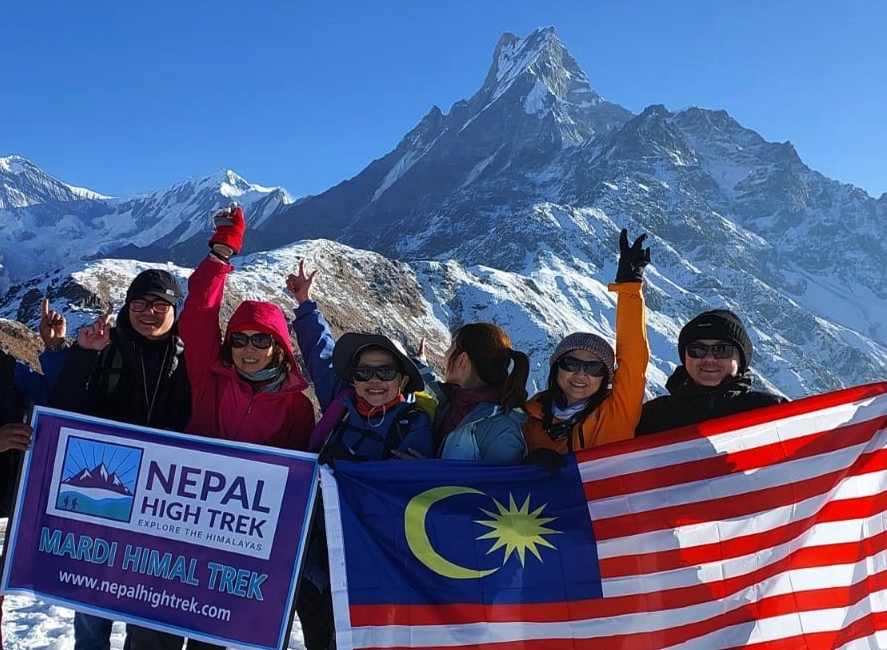
Mardi Himal Trek
View details8. Does the Company Follow Responsible and Sustainable Tourism Practices?
Pretty green badges on a homepage are cheap. Anyone can slap a leaf icon beside their logo and brag about "eco-treks" while their group dumps plastic bottles everywhere and funnels cash straight out of struggling mountain villages. Ask for concrete proof. Do their guides push refillable water treatment, haul non-biodegradable trash back down the valley, and book locally run teahouses owned by Sherpa, Tamang, or Gurung families? Fragile alpine valleys choke fast.
At Nepal High Trek, responsible travel isn't some cute marketing slogan but we hire village crews directly, enforce leave-no-trace habits, and keep your trekking dollars feeding the exact communities welcoming you inside. Therefore, our corporate social responsibility act under the Nepal High Trek Foundation looks closely in these matters of sustainability and responsible tourism practices benefitting locals, workers, cultures, and nature.
9. What Is the Booking Deposit and Cancellation Policy?
Life throws nasty curveballs. You lock in your dream Annapurna trip eight months out, wire a deposit, and then a torn meniscus or a sudden family mess blows your whole calendar to smithereens. Now what? Unless you read the fine print early, sneaky outfits will swallow your cash whole and ghost your inbox faster than a startled yak.
Check the postponement rules, too. Ask how much you owe upfront, when the final balance hits, and whether your credit rolls forward if plans explode. At Nepal High Trek, we keep deposits modest and date shifts genuinely flexible so bad luck doesn't rob you blind. We ask around 20 % to 25 % upfront as a deposit and rest you can pay upon your arrival before the trek. Traveler can clearly see the bank details and procedure in the official website or travel planner will provide you the details.
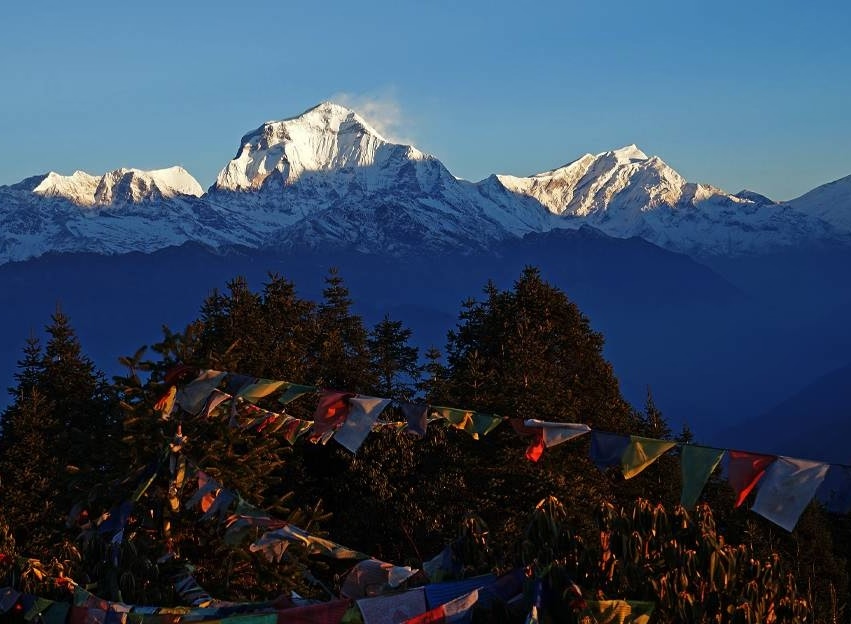
Ghorepani Poon Hill Trek: Poon Hill Trek 4 Days From Pokhara
View details10. Does the Company Provide Pre-Trek Briefings and Equipment Guidance?
The last question you must ensure is about information. If you don’t have enough information before trekking, then you may not enjoy the trek. In fact, it wouldn’t be safe as well. So, we kept this query in our list of the 10 Questions to Ask Nepal Trekking Company Before Booking.
We hope that you are well aware about things to ask before booking. If not, you are welcome to ask the bloggers and travel planners of the Nepal High Trek anytime.

Nepal High Trek
Travel writer and passionate explorer sharing stories and expert guides from the heart of the Himalaya.