
Tea Houses in Nepal
Tea houses in Nepal are family-run mountain lodges where trekkers can find a bed and a hot meal at the end of a day on the trail. On popular routes such as the Everest trekking region, Annapurna trekking region, Langtang trekking region, Manaslu trekking region, and wilderness trekking region, guests often gather in a communal dining room over dal bhat and cups of tea. Rooms are usually simple, and bathrooms are often shared. Hot showers, Wi-Fi, and device charging vary from lodge to lodge and may cost extra, especially at higher elevations.
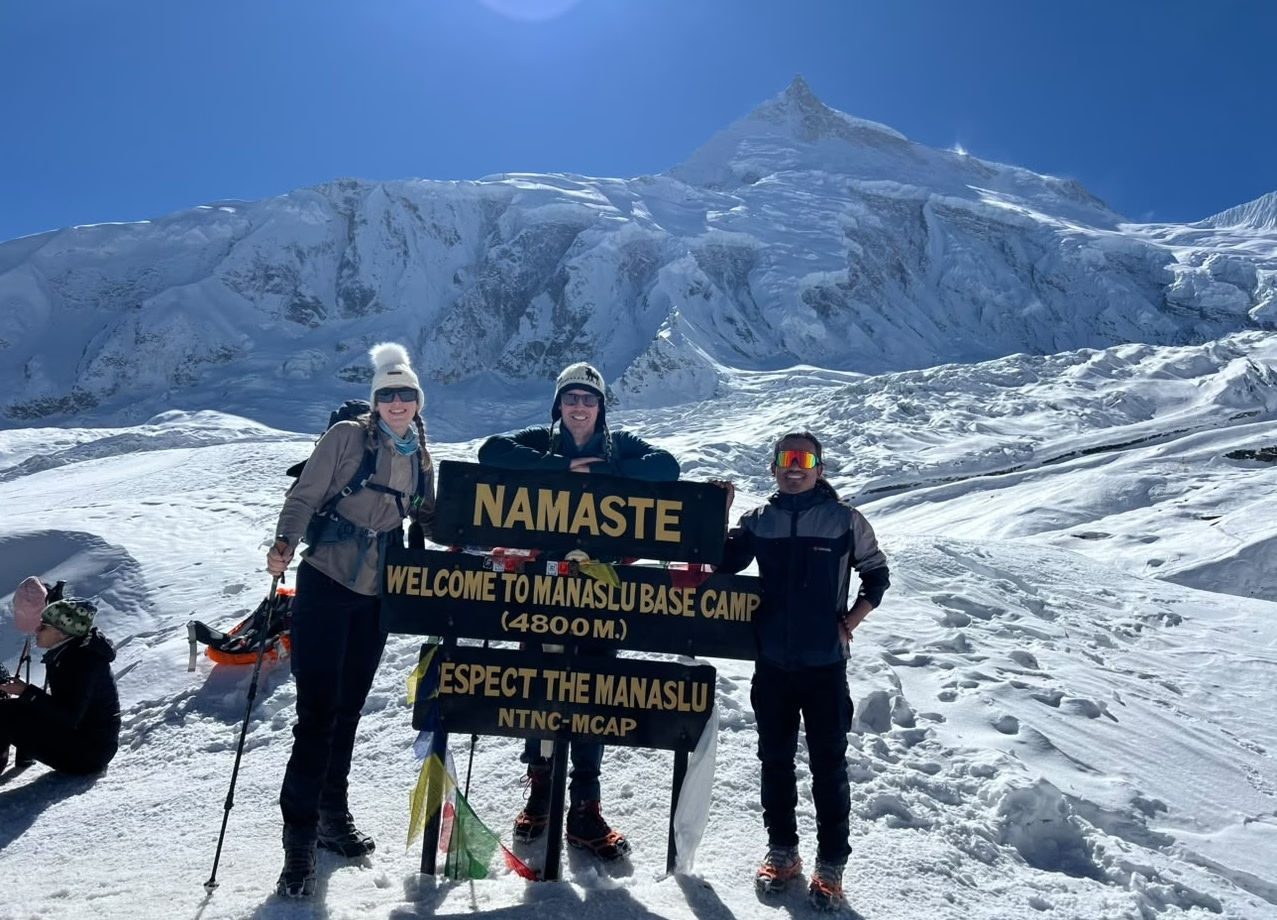
Trekking is not only about reaching the destination and capturing pictures. There are lots of logistical amenities that you need for a proper and hassle - free trip. Transportation, permits, meals, guides, and lodging are basic things needed for the trip. Well, you need to understand that trekking in Nepal means you explore remote areas full of hills, valleys, mountain passes, rivers, and villages. These places may not have luxury accommodation like in the city areas. Yes, it is true that travelers must use the services of basic lodging establishments. So, what is the accommodation facility in the trekking routes of Nepal. Tea houses in Nepal are such establishments which are basically the basic lodge serving trekkers with warm room to stay overnight and hearty meals.
Please note down that Tea houses are an essential part of Nepal's trekking culture, providing accommodation, meals, and a welcoming place to rest along the country's famous Himalayan trails. From the popular Everest Base Camp Trek route and the Annapurna Base Camp Trek route to the remote areas of the Manaslu Circuit Trek route and the Kanchenjunga Circuit Trek route, tea houses in Nepal make multi – day trekking adventures more accessible and comfortable.
Most of these tea houses in Nepal are run by locals as part of their family businesses. In many remote areas where farming pays little, these tea houses have become integral part of their family income. Moreover, the life standards of these people have significantly increased with the increase in the popularity of trekking activities in Nepal. Well, these tea houses in Nepal provide rooms, attached bathrooms, common toilets, hot showers, internet, and hearty meals. Some provide traditional lifestyle, cultural dresses, and opportunity to mingle with the locals too. For example, you can choose to act like a Gurung person when you visit tea houses in the Annapurna Base Camp Trek route.
Spending overnight in these mountain lodges allows trekkers to interact with local communities and learn about their everyday village life too. Whether you are a beginner trekker or an adventurer, you need these tea houses to survive in the mountain trails of Nepal. Today’s blog is about finding out different aspects of Tea Houses in Nepal.
How Do Teahouses Work in Nepal?
Let’s learn about how teahouses in Nepal operate. Nepal’s small mountain lodges are pillars of Nepal Trekking. Trekkers can purchase accommodation, meals, drinks, and other basic services during their journey. As mentioned above, these small mountain lodges are run by family members in villages and settlements along the established trekking routes of Nepal.
Trekking guide takes trekkers to a tea house. Once they arrive in the afternoon, the trekking guide select an available room, and order meals from menu. Unlike hotels in cities, many mountain tea houses expect guest to eat dinner and breakfast in the same tea house they are staying. It has become kind of unannounced rule that a trekker must eat in the same tea house where they spend overnight. Interestingly, some offer inexpensive or complimentary accommodation when guests purchase their meals, although this arrangement depends on the property. Rooms are usually simple, with basic beds, mattresses, pillows, and blankets. Bathrooms may be shared, particularly at higher elevations. Payment is generally made in cash, although some larger lodges accept digital payments. During busy trekking seasons, rooms can fill quickly, so arriving earlier in the afternoon is advisable. Your trekking guide can also help arrange accommodation along the route.
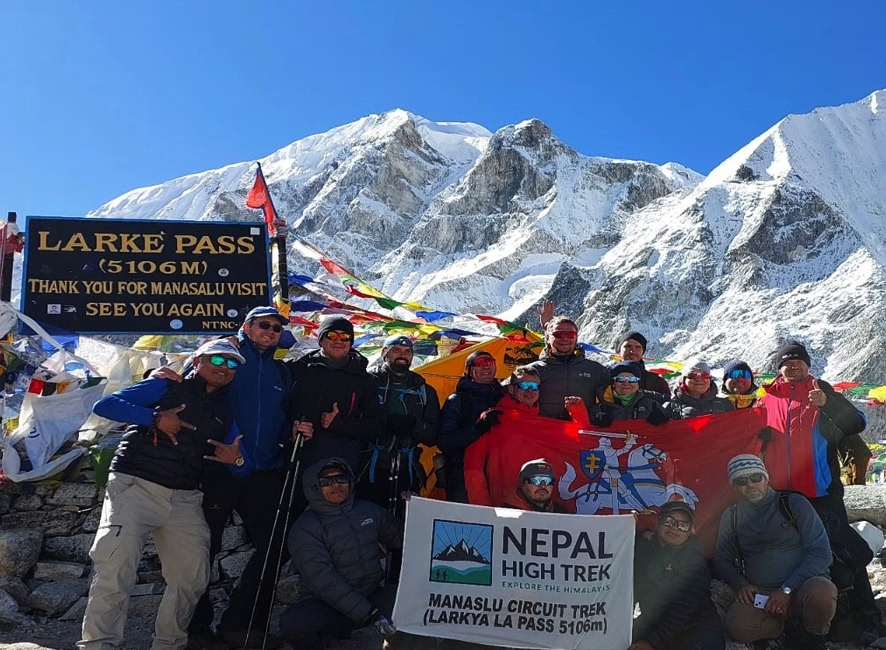
Manaslu Circuit Trek
View detailsWhy Tea House Trekking Is the Most Popular Way to Explore Nepal?
Tea house trekking is the most popular way to explore Nepal because it removes the need to carry camping equipment, cooking supplies, and additional provisions throughout a multi-day mountain journey. Trekkers can walk with a relatively lighter backpack and find accommodation and meals in villages along established trekking routes and this arrangement makes popular Himalayan adventures accessible to beginners, experienced hikers, solo travelers, and organized groups.
Another major attraction is the opportunity to experience local hospitality and also to understand the local villagers in their own courtyard sharing the same kitchen and house. Staying in family-run lodges allows visitors to interact with mountain communities, enjoy traditional Nepali dishes, and learn about local cultures. Tea houses also provide flexibility because trekkers can adjust their daily walking distances according to their physical condition, weather, and itinerary.
Popular routes such as Everest Base Camp, Annapurna Circuit, and Langtang Valley have well-established tea house networks. Nowadays, you can also find lots of quality tea houses even in the restricted trekking areas like the Manaslu Circuit Trek and the Tsum Valley Trek. Although facilities become simpler at higher elevations, the convenience, cultural experience, and relatively affordable services make tea house trekking an excellent choice for exploring Nepal. With the rise in the trekking activities, people are searching new routes. Therefore, even some off the beaten trails are starting to construct tea houses. As a result, you can find basic tea houses in the routes like the Nar Phu Valley Trek and the Kanchenjunga Circuit Trek.
Can Everyone Open Teahouses or Lodges in Trekking Routes of Nepal?
Opening a tea house or lodge along a trekking route in Nepal is not simply a matter of constructing a building and welcoming trekkers. Anyone interested in operating such a business must follow applicable government regulations, local municipality requirements, land-use provisions, and tourism-related business registration procedures. The exact requirements depend on the location, type of establishment, and applicable local rules. In many mountain villages, tea houses are operated by local families who own or legally occupy land along established trekking trails. For example, you can’t open a tea house under your own name if you are not legally the citizen of the Pasang Lhamu Rural Municipality in the trails of the Everest region. Therefore, lots of outsiders either register the business under the name of the locals or they knit marriage alliance. You can get lots of tea houses run by people from Gorkha and Dhading districts even in the Everest region of Solukhumbu district after they are married with the locals.
Furthermore, some areas of particular trekking routes need permission from the conservation area authority or the national park authority. People can’t buy land under their own name but they need to get on lease from these authorities. Construction may also be subject to local planning rules, building standards, waste-management requirements, and restrictions designed to protect fragile mountain environments. Some remote settlements have limited infrastructure, making access to water, electricity, building materials, and transportation challenging. Therefore, prospective operators should consult the relevant local authorities and tourism offices before investing.
Supporting legally operated local tea houses also helps maintain responsible tourism practices in Nepal. Fortunately, there are many success stories in the mountains about the family which is immensely benefitted by the operation of tea houses.
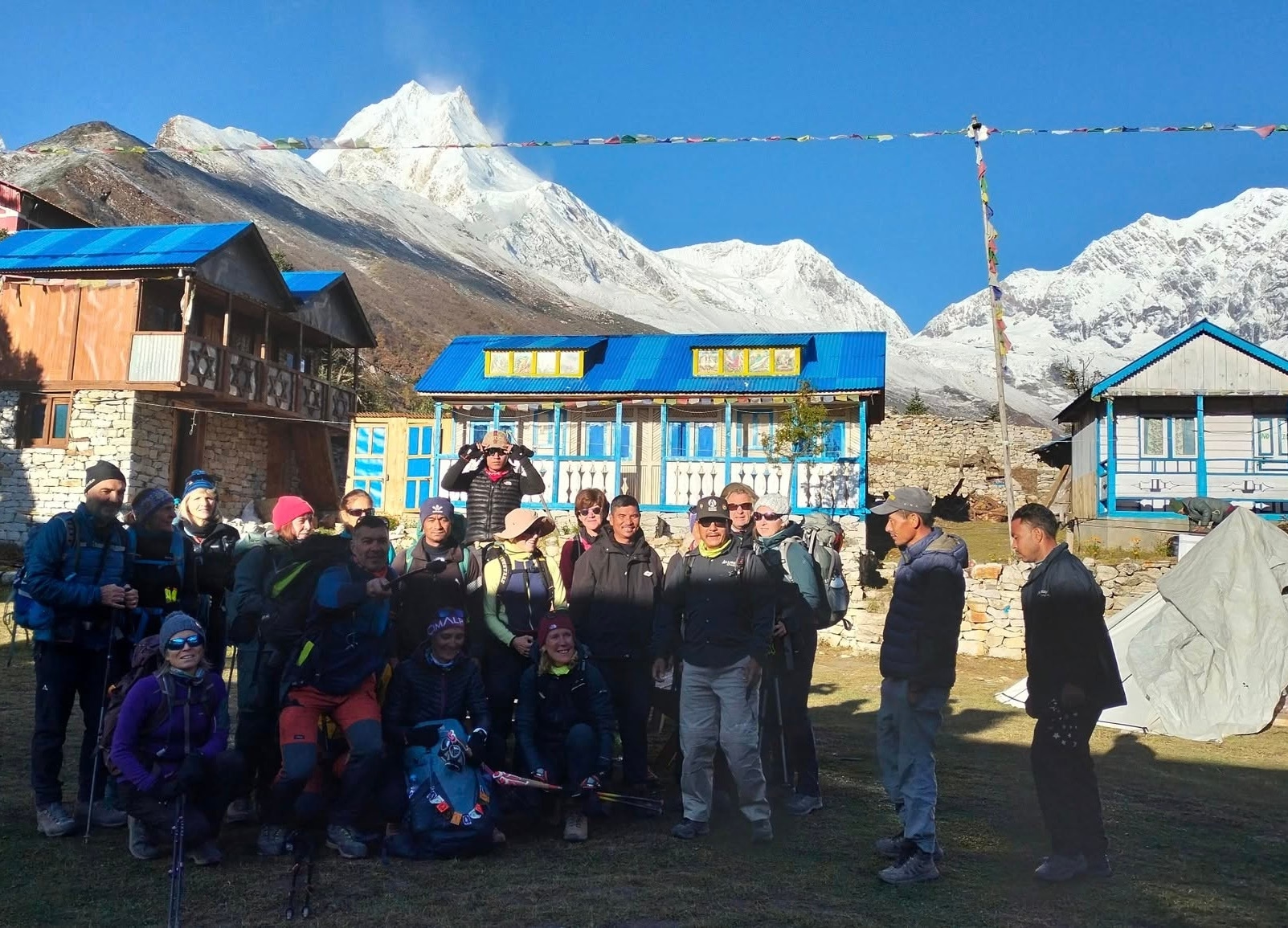
Different Types of Tea Houses Along Nepal's Trekking Routes
Like the classification of hotels, tea houses in Nepal differ considerably in terms of standards, facilities, services, and location. Along the popular trekking routes, trekkers can find lots of options from family run basic lodges to comfortable and luxury mountain lodges. Note down that some tea houses in Nepal can surely act as small hotel of city areas like Kathmandu and Pokhara. Don’t be surprised if you find a teahouse in the trekking route better than medium hotels of Kathmandu!
Basic tea houses generally provide twin-sharing rooms with simple beds, mattresses, blankets, and shared bathrooms. Mid-range lodges may offer better-quality rooms, private bathrooms, hot showers, charging facilities, and more extensive dining menus. In popular destinations such as Namche Bazaar, Manang, and Ghorepani, some establishments provide upgraded accommodation with comfortable common areas, bakeries, cafés, and internet access. Properties like Yeti Mountain Home have elevated the overall standards of the tea houses in the trekking routes of Nepal.
Remote trekking trails along the Manaslu areas have also started to improve the quality of tea houses. Note down that the tea houses in Upper Mustang area have significantly developed due to upgrade of road from Jomsom to Korla Border near Lomanthang. Therefore, traveler can do Upper Mustang Jeep Tour or Motorbike Tour instead of the Upper Mustang Trekking in this region.
Recently promoted trails like the Kanchenjunga Circuit Trek and the Nar Phu Valley Trek route are starting from the scratch. Please don’t expect high level services like in the tea houses of Namche Bazaar and Manang villages in these trails.
Similarly, there are also community operated lodges in certain trekking areas, where accommodation services contribute directly to local development. The availability of different tea house categories depends on the region, altitude, infrastructure, and accessibility. Trekkers should avoid assuming that every lodge offers identical facilities throughout Nepal. The best example of community run tea houses that you can find is in the Mohare Danda Trek near the Ghorepani Poon Hill Trek route. Places like Banskharka, Nangi, and Mohare have community lodges and it is same in the Khopra Ridge Trek as well.
What to Expect Inside a Typical Himalayan Tea House Room?
A typical Himalayan tea house room is simple, practical, and designed to provide basic comfort after a long day of trekking. Depending on the region, altitude, and lodge category, you can generally expect the following:
Twin Beds: Most tea houses offer two single beds in each room, although some provide single, double, or family rooms.
Basic Mattresses: Rooms usually have simple mattresses with pillows and blankets.
Wooden or Plywood Walls: Many mountain lodges feature basic wooden interiors, while others use stone, brick, or concrete construction.
Mountain Views: Some rooms have windows overlooking Himalayan peaks, green hills, rivers, forests, or traditional villages.
Limited Furniture: A small table, basic shelves, hooks, or a place to keep your backpack may be available.
Shared Bathrooms: Most basic tea houses have common toilets and washing facilities outside individual rooms.
Attached Bathrooms: Some upgraded lodges offer private bathrooms with showers and toilets.
Limited Heating: Individual bedrooms are generally unheated. The dining hall is usually the warmest place in the lodge.
Electricity and Charging: Some rooms have charging points, while others require guests to charge devices in the communal dining area.
Basic Lighting: Electric lights are available in most established tea houses, although power supply may be inconsistent in remote locations.
No Luxury Amenities: Do not expect televisions, air conditioning, minibars, room service, or hotel-style furniture.
Cold Night Conditions: Rooms can become particularly cold at higher elevations, so carrying a warm sleeping bag is highly recommended.
Simple Room Decoration: Some family-run lodges feature traditional Himalayan decorations, colourful curtains, wooden furniture, or locally inspired designs.
Common Dining Area: A kitchen is set up and a simple bar is in the corner with long tables. Everyone eats in the dining area. During peak season, trekkers and guides sleep in these dining areas.
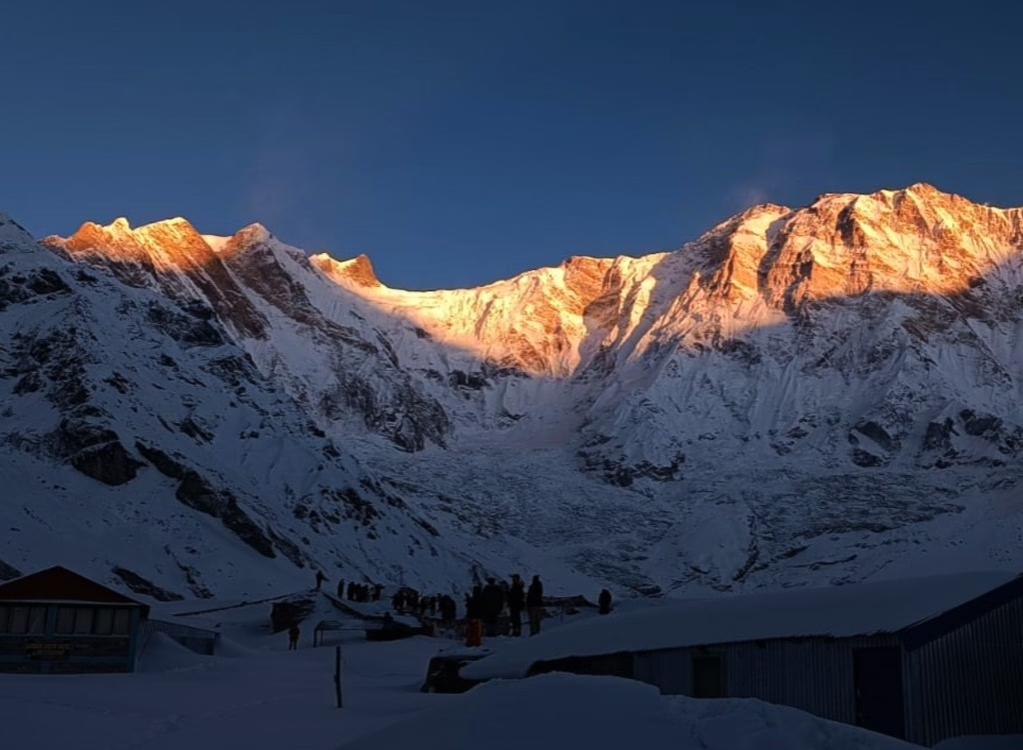
7 Days Annapurna Base Camp Trek
View detailsFood and Dining Options at Tea Houses in Nepal
Food is an important part of the tea house experience in Nepal, with most lodges offering a combination of traditional Nepali dishes and familiar international meals. Dal bhat, consisting of rice, lentil soup, vegetables, and sometimes pickles, is among the most popular choices because it provides energy for long trekking days. Other common options include fried rice, noodles, pasta, vegetable curry, potatoes, soups, Tibetan bread, pancakes, porridge, eggs, and sandwiches.
In popular trekking destinations, menus may also include pizza, momos, burgers, and bakery products. Breakfast generally includes tea or coffee, eggs, toast, pancakes, or porridge. Hot soups and noodle dishes are particularly popular during cold evenings. Food prices usually increase with altitude because ingredients must be transported from lower settlements or nearby supply centres.
Vegetarian meals are widely available, while vegan, gluten-free, and other special dietary requirements may need advance communication. Most tea houses prepare meals after receiving orders, so waiting times can be longer when large trekking groups arrive together. Carrying a few energy bars and personal snacks is also useful for longer walking days.
Are Hot Showers, Wi-Fi and Electricity Available in Mountain Tea Houses?
Hot showers, Wi-Fi, and electricity are available in many Nepalese tea houses, but their reliability and cost depend on the trekking region, altitude, weather, and infrastructure. Popular destinations such as Namche Bazaar, Lukla, Manang, and Ghorepani generally offer better facilities than remote mountain settlements. Hot showers may be powered by solar energy, gas, or electricity.
During cloudy weather or periods of heavy demand, hot water availability can become limited. Wi-Fi is offered by many lodges along established trekking routes, although internet speed may be slow and connections can become unreliable in bad weather. Some establishments provide Wi-Fi free of charge, while others charge an additional fee. Electricity is generally available through local hydropower systems, solar panels, or other power sources. However, charging phones, cameras, and power banks may involve additional costs, particularly at higher elevations. We recommend you to carry power banks to save money while charging mobile and camera batteries.
How Much Does Tea House Accommodation Cost in Nepal?
The cost of tea house accommodation in Nepal depends on the trekking region, altitude, season, room facilities, and availability of supplies. Basic twin-sharing rooms in popular trekking areas may cost approximately NRs. 500 to NRs. 1,500 per night, although prices can vary considerably between villages and individual lodges. More comfortable rooms with private bathrooms or additional facilities may cost more.
For example, you may have to spend around 110 $ plus for a night in luxury mountain lodge like the Everest View Hotel on BB basis. So, price largely depends upon the level of tea house. Allocate around 5 $ to 15 $ per night for accommodation and around 35 $ to 55 $ per person per day for meals during trekking in Nepal. Besides the cost of lodging and meals, allocate extra sum of money for other services like battery charge, hot drinking water, internet, and hot showers.
Do You Need to Book Tea Houses in Advance in Nepal?
Booking tea houses in advance is not always necessary in Nepal, but it is strongly recommended during peak trekking seasons and on routes where accommodation options are limited. Popular destinations such as Namche Bazaar, Dingboche, Lobuche, Annapurna Base Camp, and Samdo can become busy during spring and autumn. When several trekking groups arrive at the same settlement, available rooms may become limited, particularly in smaller villages.
Normally, you book the tea houses in Nepal in one place and the same tea house will help you book for another overnight place. Almost all tea houses owners have relationship with each other and lower elevation tea houses will help you book accommodation in higher elevation. The most important thing to consider is to travel with responsible trekking company like the Nepal High Trek. In remote locations, the number of lodges may be limited, so having a planned overnight stop is a practical safety measure. Always remember that room availability can change due to weather, delays, and unexpected trekking conditions.
Hygiene, Toilets and Drinking Water Facilities in Mountain Tea Houses
Hygiene and sanitation facilities in Nepalese tea houses vary depending on the trekking region, altitude, and accessibility of the settlement. In popular destinations, many lodges provide Western-style toilets, running water, washbasins, and relatively comfortable bathroom facilities. However, traditional squat toilets are still common in smaller and more remote mountain settlements. Common bathrooms are generally the standard arrangement and hot showers are available but may be from bucket.
Safe drinking water is another important thing you must consider while choosing tea houses in Nepal. Tea houses provide boiled drinking water, filtered drinking water and also sell bottled mineral water. Please don’t drink untreated water directly from mountain streams, taps, or natural sources. Using a reliable purification filter, treatment tablets, or properly boiled water is a safer option. Surprisingly, Nepal’s tourism consciousness is very high. Therefore, expect clean village and clean accommodation in the trekking routes of Nepal.
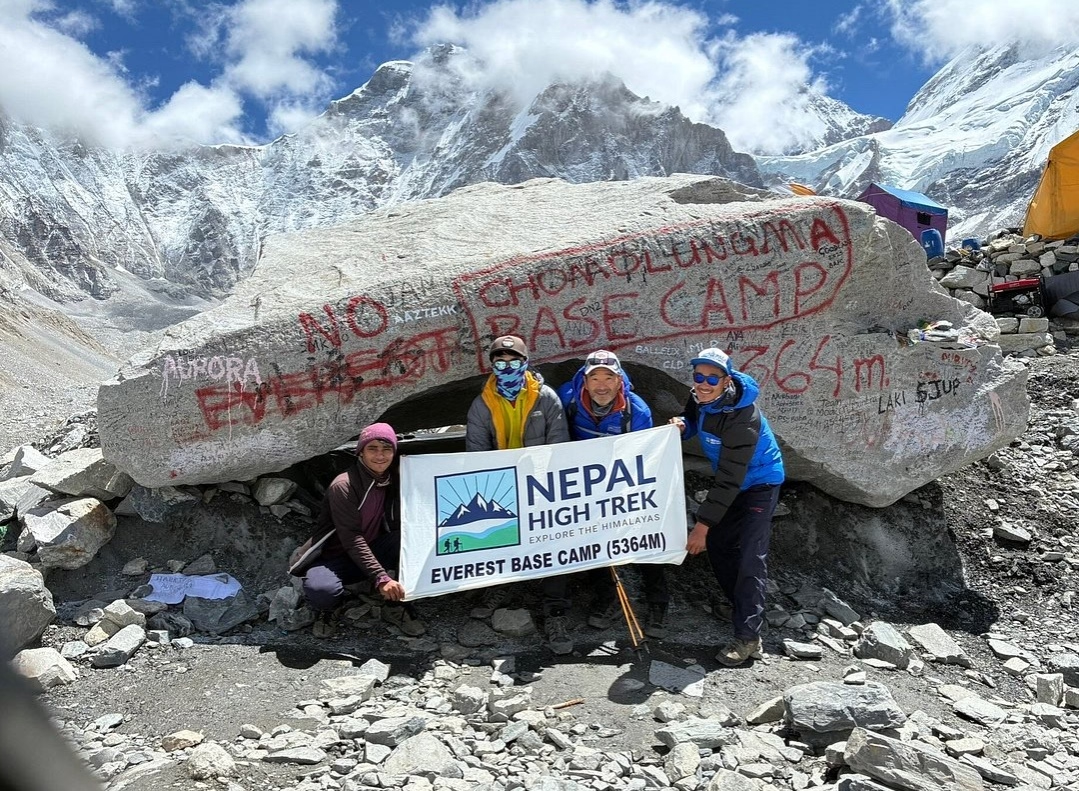
Everest Base Camp Budget Trek
View detailsTea House Trekking vs Camping Trekking in Nepal
Tea house trekking and camping trekking are two different ways of exploring Nepal's Himalayan landscapes, each offering distinct experiences and practical advantages. Tea house trekking involves staying in locally operated mountain lodges that provide accommodation, meals, and basic services along established routes. It is generally more convenient because trekkers do not need to carry tents, sleeping equipment, cooking utensils, or food supplies for the entire journey.
Few years ago, Nepal’s trekking trails used to be the camping trekking routes. Fortunately, lots of areas even remote sites have started to build standard tea houses. The major reason behind this is the rise in tourism awareness and efforts of tourism authorities like NTB, Conservation Area, and National Parks. Similarly, local rural municipality is also closely working with locals to improve the standards of tourist support centers.
Camping trekking, on the other hand, involves sleeping in tents and travelling with a support team responsible for preparing meals, arranging campsites, and managing equipment. This approach is particularly useful in remote regions where permanent accommodation facilities are unavailable or limited. Some areas of Nepal especially lesser explored and completely wild require camping trekking. Popular camping trekking trails are Amphu Lapcha Trek, Dhorpatan Hunting Trek, and Dhaulagiri Round Trekking. Even the Kanchenjuna Circuit Trek needed the camping trek but it is not the same now. Proper tea house trekking is possible in this route.
Tea house trekking is generally more economical and suitable for popular routes such as Everest Base Camp, Annapurna Circuit, and Langtang Valley. Camping may be necessary for less-developed trails and specialised expeditions. In terms of cultural experience, tea houses offer more opportunities to interact with local families and village communities. The right option depends on your destination, budget, comfort preferences, and trekking objectives.
Staying in safe tea houses in Nepal matters a lot in terms of overall trekking experiences. I hope that you have quenched your query thirst about tea houses in Nepal via the blog. If not, you are always welcome to contact us to know more about this accommodation services available during trekking in Nepal.
Nepal High Trek
Travel writer and passionate explorer sharing stories and expert guides from the heart of the Himalaya.