- Duration
- 4 days
- Difficulty
- Moderate
- Max Altitude
- 3,210m
- Destination
- Nepal
- Activity
- Trekking
- Accommodation
- Hotel/Lodge
- Group Size
- 1
- Transport
- Flight/Drive
- Meals
- B.D.L.
- Season
- All Round Year
Trip overview
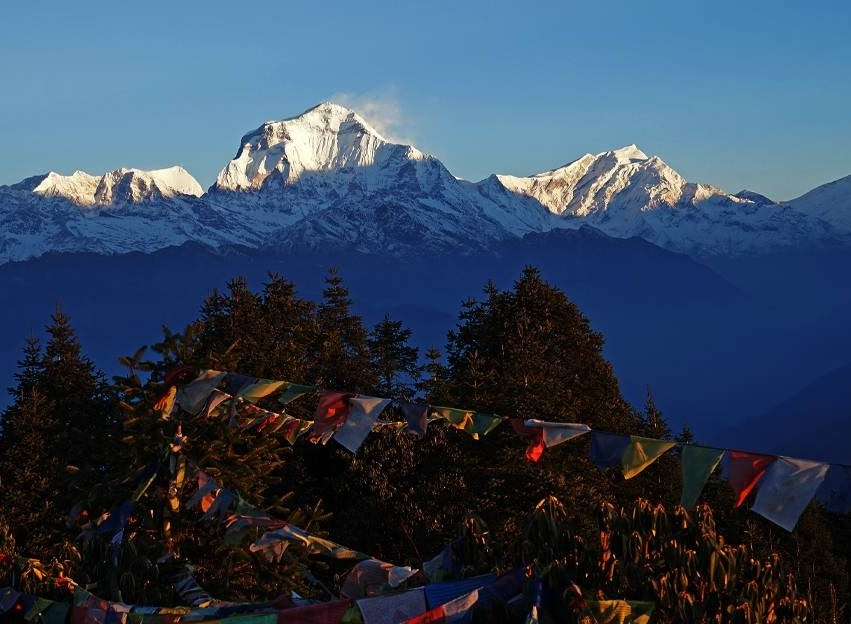
Poon Hill Trek 3 Days – a journey through the misty mountains of Nepal that will leave you breathless, both from the stunning views and the uphill climbs! This trek is a perfect blend of adventure and culture, as you traverse through charming villages, dense rhododendron forests, and up to the lofty heights of Poon Hill 3210m).As you stand atop Poonhill, you’ll be able to see several majestic peaks of the Himalayas, including Dhaulagiri (8,167m), Annapurna I (8,091m), Machhapuchhre (6,993m), Hiunchuli (6,441m), and Nilgiri (7,061m). The view of these snow-capped peaks is truly awe-inspiring and will leave you feeling humbled by the grandeur of nature. The sun rises over the snow-capped Himalayas, illuminating the landscape with a golden light. You’ll see traditional Nepalese villages dotted throughout the valley, surrounded by lush terraced fields and grazing animals.
Short Poon Hill Trek Cost From Pokhara
But the view is only one part of the experience. You’ll also have the opportunity to interact with the local people and learn about their customs and traditions. You’ll stay in traditional teahouses and eat delicious Nepalese food.
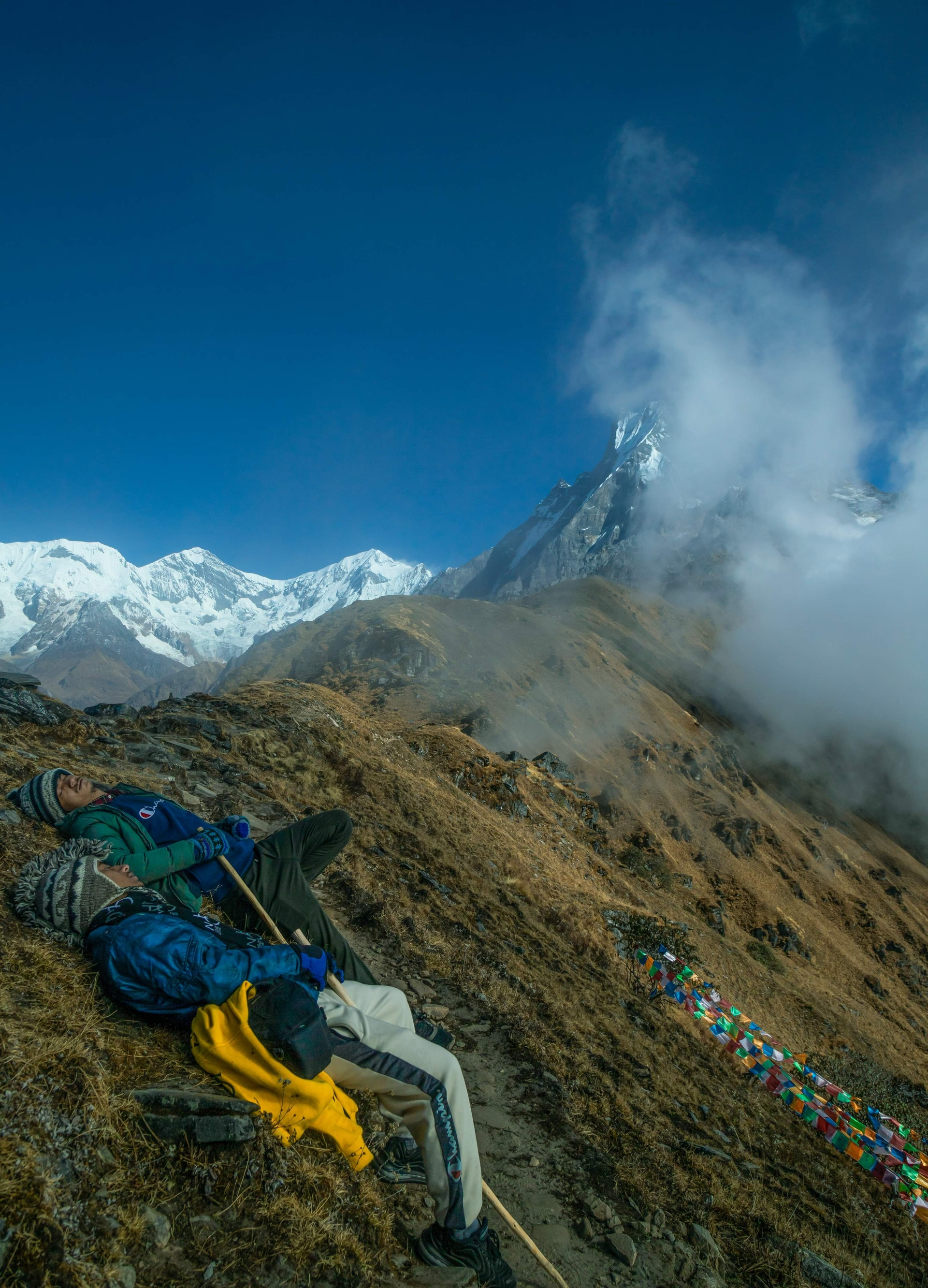
Of course, it’s not all easygoing – this trek is a physical challenge, with steep ascents and rocky paths to navigate. But the sense of accomplishment and the stunning scenery makes it all worthwhile. Plus, you’ll have plenty of opportunities to rest and recharge and enjoy the company of fellow trekkers.
So if you’re looking for an adventure that will leave you feeling exhilarated, inspired, and changed for the better, join us for the 4 Days Ghorepani Poonhill Trek. The panoramic view is just the icing on the cake!
Exceptional Views of the Himalayas from Poon Hill View Point (3210m)
Standing at 3,210 meters above sea level, Poon Hill offers a stunning view of the Himalayas, which includes some of the world’s highest peaks. As the sun begins to peek over the horizon, the towering snow-capped peaks of the Himalayan range slowly come to life, revealing their majestic beauty. The panoramic view from Poon Hill is simply awe-inspiring, and it covers a 360-degree view of the Himalayas, which includes some of the most iconic peaks like Dhaulagiri, Annapurna South, and Machhapuchhre.
As the sun continues to rise, the sky transforms from a soft pink hue to a vibrant orange, casting a golden glow over the entire landscape. The experience of witnessing the sunrise view from Poon Hill is simply magical and is undoubtedly one of the most spectacular sights in the world.
Easy and Short Trek in the Annapurna Region
If you’re someone who wants to witness the magnificence of the Annapurna mountains, but your busy schedule is holding you back, then the Ghorepani Poonhill Trek might be the perfect solution for you. This trek is known for its relatively short duration of 3-5 days, making it an ideal option for those who don’t have weeks to spare but still want to experience the beauty of the Annapurna region.
While the trek is considered to be moderately difficult, it’s still accessible to most people with a moderate level of fitness. You’ll get the chance to explore well-defined paths and enjoy gradual ascents. Also, you can take your time and enjoy the scenery without feeling rushed.
One of the best things about the Ghorepani Poon Hill Trek is the convenience of teahouse accommodation along the route. You won’t have to carry heavy camping gear. You can travel light and enjoy the trek without feeling weighed down.
Acclimatization
Acclimatization is an important process for trekkers who plan to trek at high altitudes. It involves allowing your body to adjust to the lower levels of oxygen that are present at higher altitudes, in order to prevent altitude sickness.
During the 3 Day Poon Hill Sunrise Trek, acclimatization is achieved through a gradual ascent. This trek takes you to a maximum altitude of 3,210 meters, which is not considered extremely high. However, it is still important to acclimatize properly to prevent altitude sickness.
Our trek itinerary includes a rest day in Ghorepani, which allows you to acclimatize and explore the nearby villages. It is recommended to stay hydrated and avoid alcohol during this time. It is also important to listen to your body and not push yourself too hard, especially if you experience symptoms of altitude sickness such as headache, dizziness, nausea, or shortness of breath.
In addition to the rest day, there are other things you can do to help acclimatize during the trek. These include:
Walking slowly and taking frequent breaks.
Eating a balanced diet and staying hydrated.
Avoiding alcohol and smoking.
Taking medication such as acetazolamide (under the guidance of a doctor)
Lifestyle and Culture of Gurung & Magar Villages
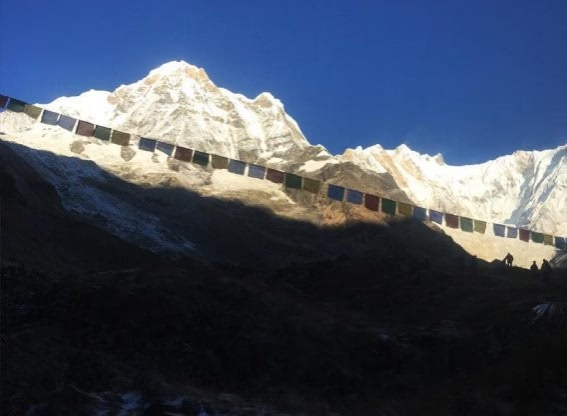
The journey takes you through the heart of Gurung villages, including Ghandruk, Tadapani, and Ghorepani, where you’ll marvel at the traditional architecture of stone houses and slate roofs. Immerse yourself in the local culture as you witness Buddhist monasteries and prayer flags, which are integral to their way of life. But what truly sets the Gurung people apart is their warm hospitality and welcoming nature.
Imagine staying in a traditional Gurung homestay, where you’ll experience their genuine kindness and generosity firsthand. This is an opportunity to not only witness the beauty of Nepal’s diverse ethnic groups but also to form lasting connections with the local people.
Also, Gurung people have a unique cuisine that you can try during your trek. Some popular dishes include Dal Bhat (rice and lentils), momos (dumplings), and Thukpa (noodle soup). The food is often spicy and flavorful, and it’s a great way to experience the local culture.
Best is the best time to Trek to Poon Hill
3 Days Poon Hill Trek is an amazing experience, but timing is key! The best time to take on this trek is during the spring and autumn seasons.
Spring(March to May) brings warm and dry weather, with the rhododendron forests in full bloom, creating breathtaking and colorful scenery. Mild temperatures and excellent visibility allow for stunning views of the surrounding mountains, making it a perfect time for trekking.
Autumn(September to November) is another excellent season for trekking, with clear skies, stable weather conditions, and mild temperatures. The mountains are also at their most impressive, making it a popular time for photographers and nature enthusiasts.
Winter and summer are not favorable seasons for Poon Hill Trek due to weather conditions. Winter can be challenging due to heavy snowfall and extremely low temperatures, while summer brings heavy rainfall, muddy trails, and obscured mountain views. It is recommended to plan your trek during the spring or autumn months for a safe and enjoyable experience too. If you want to extend the trek you can towards the Annapurna Base Camp or Mardi Himal Trek.
Itinerary
Itinerary at a glance
| Day | Route | Altitude at destination | Walking | Stay | Meals |
|---|---|---|---|---|---|
| 1 | Pokhara → Ulleri | 1,960 m (6,430 ft) | 6–7 hrs | Hotel | B/L/D |
| 2 | Ulleri → Ghorepani | 2,860 m (9,383 ft) | 5–6 hrs | — | B/L/D |
| 3 | Ghorepani → Ulleri/Pokhara | 1,960 m (6,430 ft) | 7–8 hrs | No | B/L |
Day 1:Drive to Hille - 3 hours then trek - Ulleri (1960m)
After breakfast at the hotel, we will start our journey with a scenic drive from Pokhara to Hille. The journey takes approximately 1.5 to 2 hours, covering a distance of around 42 kilometers. As we make our way toward Nayapul, we'll pass by the Seti River Gorge, a stunning natural wonder formed by the Seti River.
After reaching Nayapul, we'll start our trek by crossing a suspension bridge over the Modi Khola river and entering the Annapurna Conservation Area. The trail from Nayapul to Tikhedhunga is approximately 8 kilometers long and takes around 3-4 hours to complete. Along the way, we'll pass through several small villages, where we can witness the daily lives of the locals and learn about their unique culture.
We'll take a well-deserved lunch break in one of the local tea houses before continuing our trek to Ulleri. The trail from Tikhedhunga to Ulleri is approximately 2.5 kilometers long and takes around 2-3 hours to complete. We'll reach Ulleri in the late afternoon, tired but excited for the journey ahead. Ulleri is a small village known for its traditional architecture and warm hospitality. Our teahouse for the night will be warm and comfortable. We'll have a chance to rest and enjoy a hot meal before settling in for the night.
- 02
Day 2:Ulleri to Ghorepani (2874m)
We'll start early in the morning after a hearty breakfast, and set out on the steep trail towards Ghorepani.
The trail from Ulleri to Ghorepani is approximately 10 kilometers long and takes around 6-7 hours. The path is steep and challenging, with a gain in altitude of over 800 meters. As we climb higher, we'll encounter several rest stops along the way, offering panoramic views of the mountains and the surrounding landscapes. The trail takes us through dense forests of oak and rhododendron trees. They are in full bloom during the spring season, adding vibrant colors to the already picturesque surroundings.
We'll reach Ghorepani in the late afternoon, tired but exhilarated. Ghorepani is a small village and is the last settlement before we reach Poon Hill. The village is known for its beautiful landscape and traditional teahouses. Our teahouse for the night will be warm and comfortable, and we'll have a chance to rest and enjoy a hot meal before settling in for the night.
Day 3:Hike to Poon Hill (3210m) to then back to Banthati - 2hrs and drive back to Pokhara - 3hrs (810 m)
We rise up early before sunrise and take a 1.5-kilometer hike to the top of Poon Hill. The steep ascent to Poon Hill takes about an hour, but the spectacular sunrise and colorful sky are worth it. Along with iconic peaks such as Annapurna South and Machhapuchhre, you'll be able to see Bahari Shikhar, Hiuchuli, Nilgiri, Dhaulagiri ranges, Tukuche peak, Annapurna I, II, III, IV, Lamjung Himal, and Mt. Manaslu ranges. We’ll return back to Ghorepani after the mesmerizing time at the top.
After returning to Ghorepani for breakfast, we'll continue our 3.5-kilometer trek to Banthati. The path takes us through dense rhododendron and oak forests, passing by streams and waterfalls, and small villages where you can interact with locals and learn about their lifestyle.
Finally, we'll reach Banthati after 2 hours coming down then we will back to Pokhara by sharing a local jeep and it takes 3 hours to get to Pokhara.
Are you looking to customize the trip itinerary?
If the provided schedule is not suitable for you, we can create a personalized travel arrangement tailored to your preferences and requirements.
Cost breakdown
What's included
When you join us for the Ghorepani Poon Hill trek, we’ll take care of all the details to ensure your comfort and safety along the way. Here are some of the things that are included in our package:
Meals during the trek(Breakfast, Lunch and Dinner)
Trekking permits: Annapurna Conservation Area and the Trekkers’ Information Management System (TIMS) card.
Sharing transportation: Pokhara to Nayapul and Ulleri to Pokhara
Accommodation: Tea houses along the trekking route, with clean rooms and cozy blankets.
Fresh fruit: We’ll provide fresh fruit to give you a healthy boost of energy during the trek.
Experienced guide: Our guides are experienced, knowledgeable, and friendly, and they’ll be with you every step of the way. They’re also well-paid, and we believe in treating them fairly for their hard work. They’ll take care of everything from navigation to safety to providing fascinating insights into the local culture and history.
Medical kit: In case of emergencies, our guides are trained in first aid to ensure your safety.
We take care of all these details so that you can focus on enjoying the trek and the stunning scenery around you. If you have any special requests or needs, we’re happy to customize the itinerary to suit your preferences and fitness level.
What's not included
Your Travel and rescue insurance.
Personal porter.
All the expenses in the mountain over than scheduled itinerary (due to strike, delay or
canceled flight)
All the Bar bills and personal expenses (phone calls, laundry service, battery recharge, a
bottle of water, hot water, shower.
Tips for the guide and porter.
.avif&w=1920&q=75)