
Tilicho Lake vs Gokyo Lake
Tilicho Lake and the Gokyo Lakes offer two spectacular Himalayan trekking experiences in Nepal. Located in the Annapurna region, Tilicho Lake pairs dramatic mountain scenery with a challenging side trip from the Annapurna Circuit. In the Everest region, Gokyo features a series of turquoise lakes, Sherpa villages, and panoramic mountain views from Gokyo Ri.
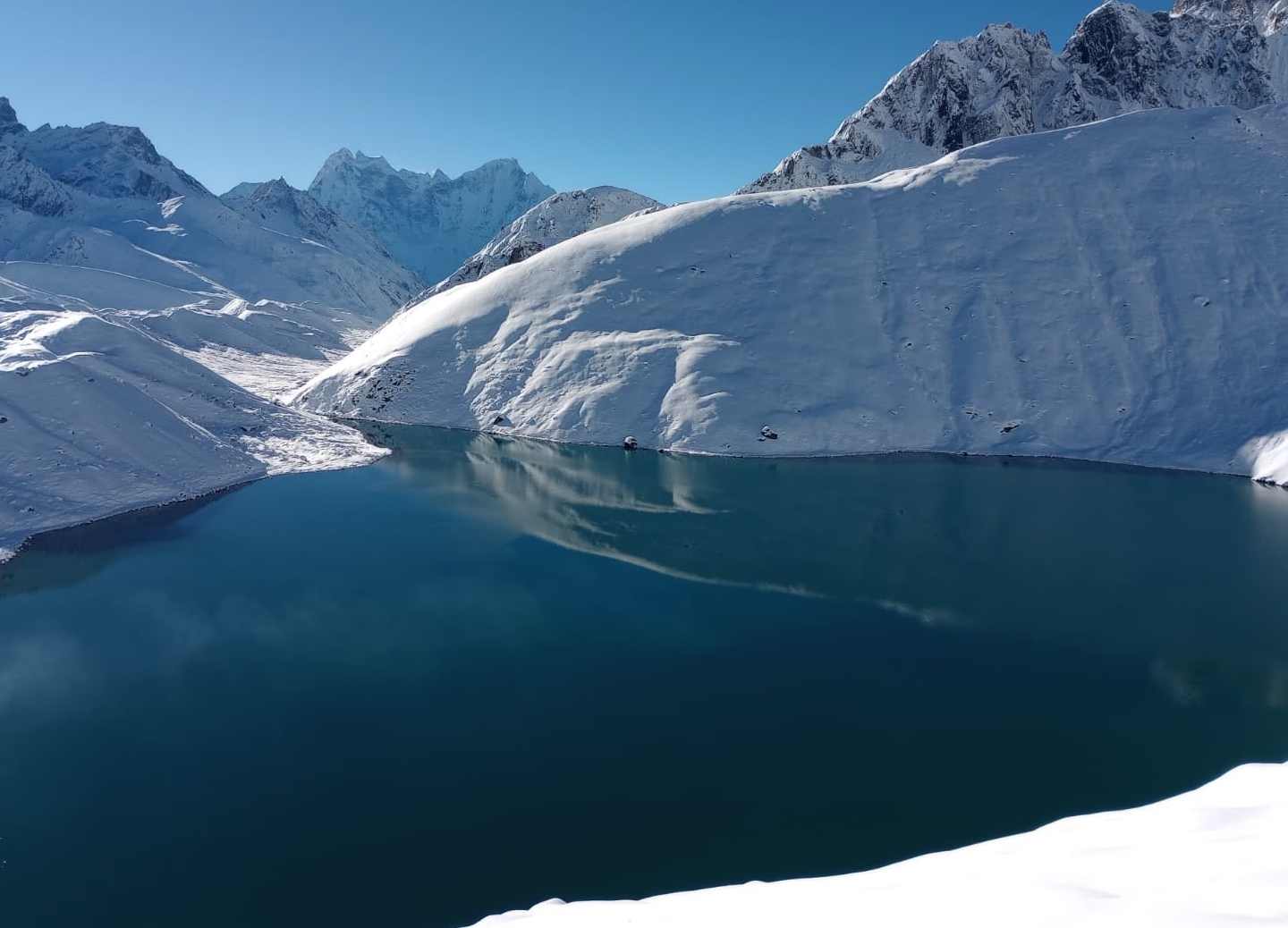
Nepal is a country full of natural wonders from mountains to valleys and from rivers to lakes. There are countless glacial and fresh water lakes where one can enjoy majestic scenery or they can simply understand the aquatic lifestyles. Having said this, there is a famous debate between two iconic lakes of Nepal. The Tilicho Lake vs Gokyo Lake debate is very unique. One is in the famous Annapurna Circuit Trek route whereas another one is in the EBC Chola Pass Trek route in the Everest region. Both regions are the most famous and commercial trekking areas of Nepal with countless trekking routes. Today’s blog is about comparing these two iconic lakes in terms of attraction, altitude, difficulty, itinerary, and facts.
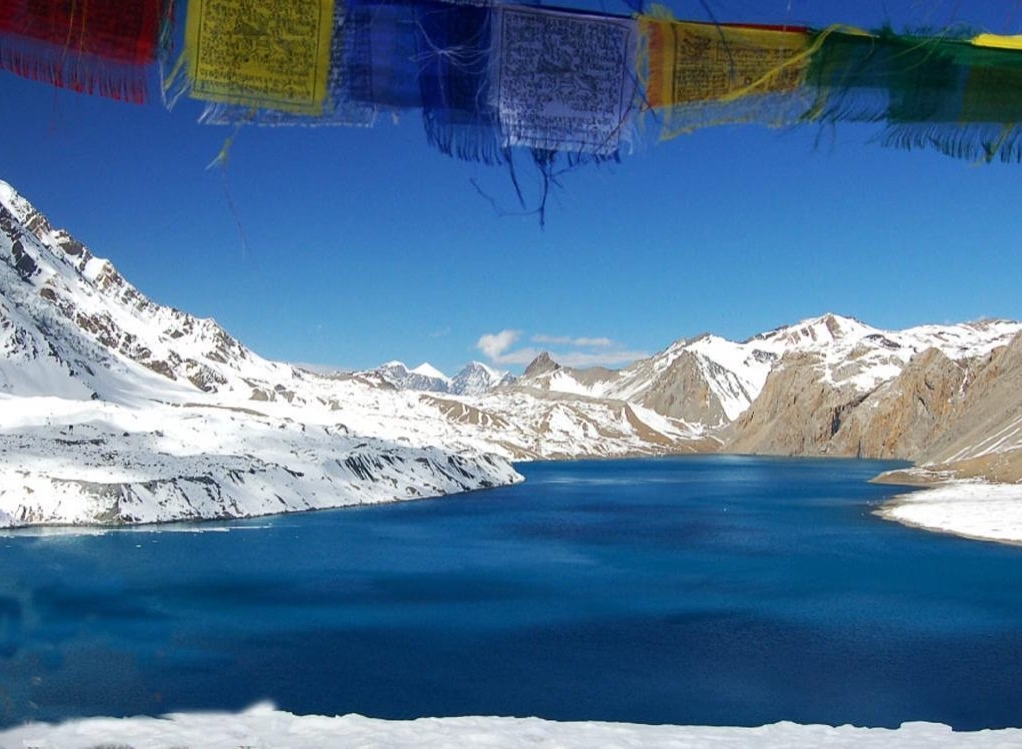
Many clients of the Nepal High Trek ask travel planners about the recommendation between green turquoise water or dead – quiet rock. Tilicho Lake is obviously huge and it stands at an altitude of 4919 m above sea level. In fact, it is the highest situated fresh water lake of the world. It is about 4.8 square kilometers slab of turquoise water collected against the vertical ice wall of Tilicho Peak. As for the Gokyo Lake, it feels completely wild and surreal. Near the world’s longest glacier, the Ngozumpa glacier there are six lakes that comprise the Gokyo Lake system. We are going to compare the Gokyo 3rd Lake here with the Tilicho Lake. Remember that the 3rd Lake is the face of the Gokyo Lake system listed under the Ramsar Conservation Site.
Altitude Comparison: Is Tilicho Lake or Gokyo Lake Higher?
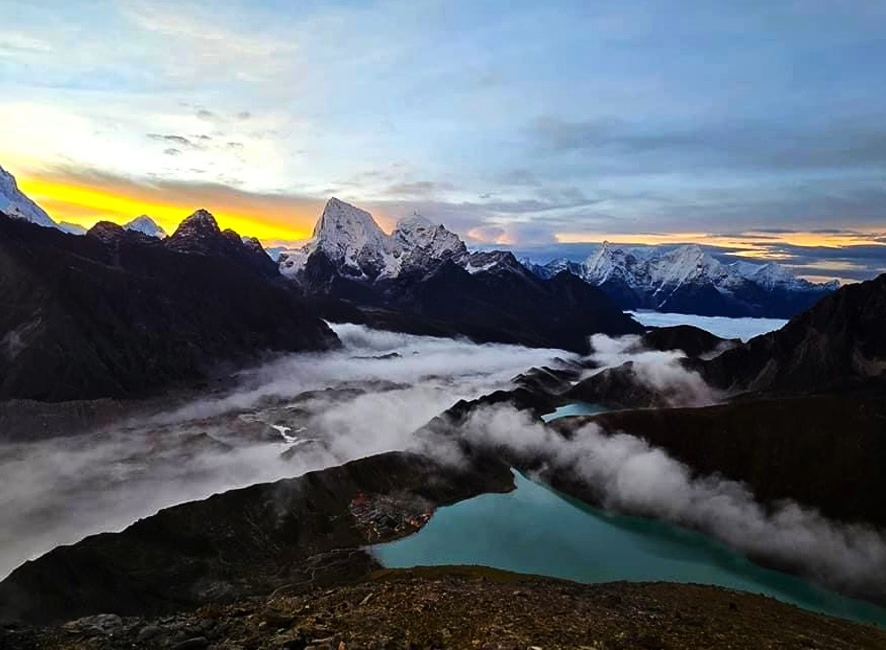
The village of Gokyo is in its shores at an altitude of 4790 m above sea level and the Tilicho Lake stands at an altitude more than 119 to 129 m higher than the village. When you walk to the lake from base camp your chest feels every bit of that height as you start the trek in dawn. Most of the trekkers stop by Gokyo 3rd Lake, which is also famously known as Dudh Pokhari among locals and think the trail ends right there by lodges. Surprisingly, the 3rd lake is in the crossroads of famous trekking routes. The Everest Three High Passes Trek and the EBC Gokyo Chola Pass Trek run through the lake. Similarly, the individual Gokyo Lake Trek is also here but it extends up to Gokyo 5th Lake. The Ngozumpa Tsho is at an altitude of about 4990. If you are following the standard itinerary, then you climb 5357 Gokyo Ri Peak too.
Annapurna Circuit Trek 12 Days
View detailsTilicho Lake Trek vs Gokyo Lake Trek: Distance, Duration, and Difficulty
Total trekking distance on a paper map will lie to you about how hard these two walks actually feel. Gokyo runs around 92 kilometers round-trip from Lukla over 11 to 14 days, and your knees take a beating on those steep stone steps above the Dudh Koshi river. Tilicho is shorter on paper. You walk roughly 85 kilometers in 10 days via Chame, or 14 days if you cross the 5,416-meter Thorong La Pass down into Muktinath. What scares people on Tilicho isn't the mileage. It's the narrow dirt track between Shree Kharka and base camp that cuts across a 45-degree landslide slope where small flat stones slide right out from under your boots.
Best Time to Visit Tilicho Lake and Gokyo Lake
But if you go up there in January, both lakes sit buried under a meter of solid white ice and half the teahouses have padlocks on their wooden doors. Nighttime temperatures at 4,800 meters regularly drop below minus 18 degrees Celsius in mid-winter. Cold like that kills phone batteries in ten minutes flat. The best part about the Gokyo Lake Trek is that the presence of quality tea houses on the shores of the lake. While comparing Tilicho Lake vs Gokyo Lake, the biggest factor to consider is the availability of tea houses. We will discuss further in another section.
Our Nepal High Trek crew tells most clients to book between late September and November, when post-monsoon skies stay clear and afternoon temperatures reach a comfortable 8 to 12 degrees Celsius. Spring works well too from March through May once the ice breaks up and red rhododendrons bloom down low. Just skip July. Monsoon rain turns the lower Manang dirt roads into deep mud. One of the recent concerns among travelers from across the globe is the threat of GLOF (Glacial Lake Outburst Floods) as happened in the Bhotekoshi River and Budi Gandaki River. Don’t worry about such threats in both lakes. According to experts, Tilicho Lake vs Gokyo Lake debate cools down when it comes to GLOF threats. So far, there is no sign of such outbursts in both lakes. Note down that it is safe to trek to these lakes.
Landscape and Mountain Views: Annapurna Range vs Everest Region
Do you want to walk through wet green river canyons first, or drop straight into dry granite valleys beneath 8,000-meter peaks? On the Annapurna Circuit Trek with Tilicho trail, a bumpy jeep ride drops you down in the humid Marsyangdi gorge near 1,100 meters, where you walk past waterfalls and pine woods before the dirt turns dry up in Manang beneath Annapurna II at 7,937 meters, Gangapurna at 7,455 meters, and Tilicho Peak at 7,134 meters. Gokyo skips the green jungle. You fly into Lukla at 2,860 meters and follow grey glacier rubble north until a dawn climb up Gokyo Ri at 5,357 meters puts Everest at 8,848.86 meters, Lhotse, Makalu, and Cho Oyu right across the sky.
Gokyo Lake Trek
View detailsAcclimatization Challenges and Altitude Sickness Risks on Both Treks
And once you walk past 3,500 meters, your lungs don't care how fast you run back home at sea level. Gokyo catches people early because a 30-minute airplane ride drops you straight onto Lukla's runway at 2,860 meters, so by night two you are already asleep in Namche Bazaar at 3,440 meters. Walk too fast up that hill and you'll spend the night with a bad headache. Tilicho lets your body adjust slower through Chame and Manang at 3,519 meters, though the final morning push from Tilicho Base Camp at 4,150 meters to the lake at 4,919 meters adds 769 vertical meters in four cold hours. That's why our Nepal High Trek guides carry pulse oximeters and check blood oxygen at breakfast and dinner.
Accommodation, Food, and Teahouse Facilities Along the Routes
Teahouse beds are the one area where Gokyo wins by a mile and it is because Gokyo village sits right on the shore of the third lake at 4,800 meters, you can drop your backpack in a solid stone lodge, warm your hands by the yak-dung stove, and eat fresh cinnamon rolls or hot dal bhat right next to the water. Nowadays, Gokyo village has quality and luxury tea houses too. Locals of the village are very active about commercializing the prospect of tourism in the shores of Gokyo Lake even targeting Nepalese trekkers.
Tilicho has no lodges at the lake itself. There is one small tea house place on the shores of the lake near the Shiva Temple but it can’t serve large number of trekkers. Fierce winds at 4,919 meters make it too rough to build a hotel up top, so trekkers sleep down at Tilicho Base Camp at 4,150 meters in cold plywood rooms where water freezes inside the bathroom pipes overnight. Expect to pay about 400 to 800 NPR extra on both trails when you charge a phone or buy Wi-Fi above 4,000 meters. The good thing about the Tilicho Base Camp is that the number of tea houses is increasing. Lots of Nepalese trekkers are starting to grow in the trail. Therefore, locals have built the tea houses more than before.
Tilicho Lake vs Gokyo Lake: Trekking Costs and Budget Comparison
Round-trip plane tickets to Lukla cost foreign trekkers roughly 450 to 500 USD, so Gokyo eats a big chunk of your cash before you even take a single step on the dirt. Once you add the 3,000 NPR Khumbu Pasang Lhamu Rural municipality permit and the 3,000 NPR Sagarmatha National Park fee, a 12-day guided Gokyo package with Nepal High Trek typically runs between 1,200 and 1,600 USD. Tilicho skips airplanes. You ride a shared jeep overland via Besisahar to Chame and pick up a 3,000 NPR Annapurna Conservation Area permit. A 10-to-12-day Tilicho trip lands closer to 850 to 1,150 USD, and even a plate of dal bhat costs less than the 8 to 14 USD rate in Khumbu because jeeps and mules haul the rice instead of yaks.
The cost of the trek depends largely upon the type of services you wish. Furthermore, it also depends upon the itinerary that you are taking on. Well, Tilicho Lake vs Gokyo Lake debate must be done in terms of trekking trails or side trips. For example, if you include Thorong La Pass or Meso Kanta La Pass in your itinerary, then you need to add more budget. Similarly, the costs of the Everest Three High Passes Trek and the EBC Chola Pass Trek are higher than regular Gokyo Lake Trek. So, consider these things before finalizing budget for the trek.
Gosainkunda Lake Trek 5 Days
View detailsCultural Experiences and Local Communities Along Both Trekking Routes
Do you know that the people living in the shores of Gokyo Lake are either from Khunde Village or from Khumjung Village? Yes, the shores of the Gokyo Lake used to be the summer home for cattle to these Sherpa communities. As the tourism activities increased, the village turned into the village of tea houses and eateries. The traditional herding changed into tea house operations. Every village north of Lukla belongs to Buddhist Sherpa families who have lived beneath Everest for generations. You walk past long stone walls of hand-carved mani prayers, spin giant prayer wheels driven by mountain streams, and duck inside the 350-year-old monastery at Khumjung. The surrounding villages like Dole, Machhermo, Khunde, Thame, etc. are also habituated by Sherpa People. Please note down that Upper Khumbu region is mainly habituated by Sherpa whereas lower Khumbu has mixed communities. Chortens, Mane Wheels, Prayer Flags, and monasteries are common.
Tilicho feels very different because the culture shifts halfway through the week. Down in the humid lower Marsyangdi valley, you pass Hindu Chhetri and Gurung farmers who grow corn and millet on steep hillside terraces. Climb above Pisang at 3,200 meters, and you enter the dry valley of the Manangi community, whose flat-roofed stone houses and 500-year-old Braga gompa at 3,475 meters face straight toward the Annapurna ice cliffs. If you consider cultural encounters in the debate of the Tilicho Lake vs Gokyo Lake, this blogger clearly feels the Tilicho Lake Trek route wins by far margin. Multi – ethnic communities live in this trail. Therefore, many trekkers prefer to add the Tilicho Lake Trek during the journey of the Annapurna Circuit Trek.
Frequently asked
Nepal High Trek
Travel writer and passionate explorer sharing stories and expert guides from the heart of the Himalaya.