
It is true that Nepal is the second richest country in terms of the inland water resource density! Many claim that the country is 2nd richest in the world but it is not true! In fact, it is around 41st and 42nd in the world ranking! Even if it is the case, the country possesses incredible amount of beautiful fresh water lakes! Up in the mountains and in the deep valleys, one can find incredible lakes. Yes, we are writing about some of the famous lakes of Nepal in today’s blog. Note down that people assume Nepal as the country to scale mountains but it is also about savoring natural landscapes! From the raging rivers to the gigantic waterfalls and from glaciers to lakes, you can enjoy natural adventures to the fullest.
Most folks book a flight to Kathmandu thinking about one thing only: eight-thousand-meter snow cones poking through the clouds. Fair enough. People love to leave their footprints in the legendary places like the Everest Base Camp and the Annapurna Base Camp. After more than 15 years of trek operation in Nepal, the travel planners of the Nepal High Trek have analyzed and knitted the trails worthy to trek including these famous lakes of Nepal. Please note down that these lakes offer another dimension to the overall trekking experiences. Blue turquoise lakes and the mountains on the background ensure breathtaking trekking adventures. Water pulls you right in.
Rara Lake: Nepal’s Largest Lake and a Hidden Himalayan Gem
“Janani Janma Bhumischa Sworgadipi Gariyesi” which means to make the birthplace a heaven is the famous poem written by former Late King Mahendra with inspiration from this beautiful lake of Nepal. The lake is the largest of Nepal and it is located in the Mugu district of Nepal. The major problem about reaching the lake is the accessibility but the road is continuously in renovation. Therefore, the quality of the road has increased but it is still bumpy dirt tracks that rattle.
At an altitude of 2990 m above sea level, 10 square kilometers of dead calm water opens up below you. Interestingly, the lake changes its color continuously about three times a day giving you the best natural settings. Well, western Nepal lacks fancy coffee shops, and most budget agencies skip it, though our Nepal High Trek guides practically live out here during autumn. Nowadays, it is possible to do both Rara Lake Trek as well as the Rara Lake Tour!
Tilicho Lake: One of the World’s Highest Lakes
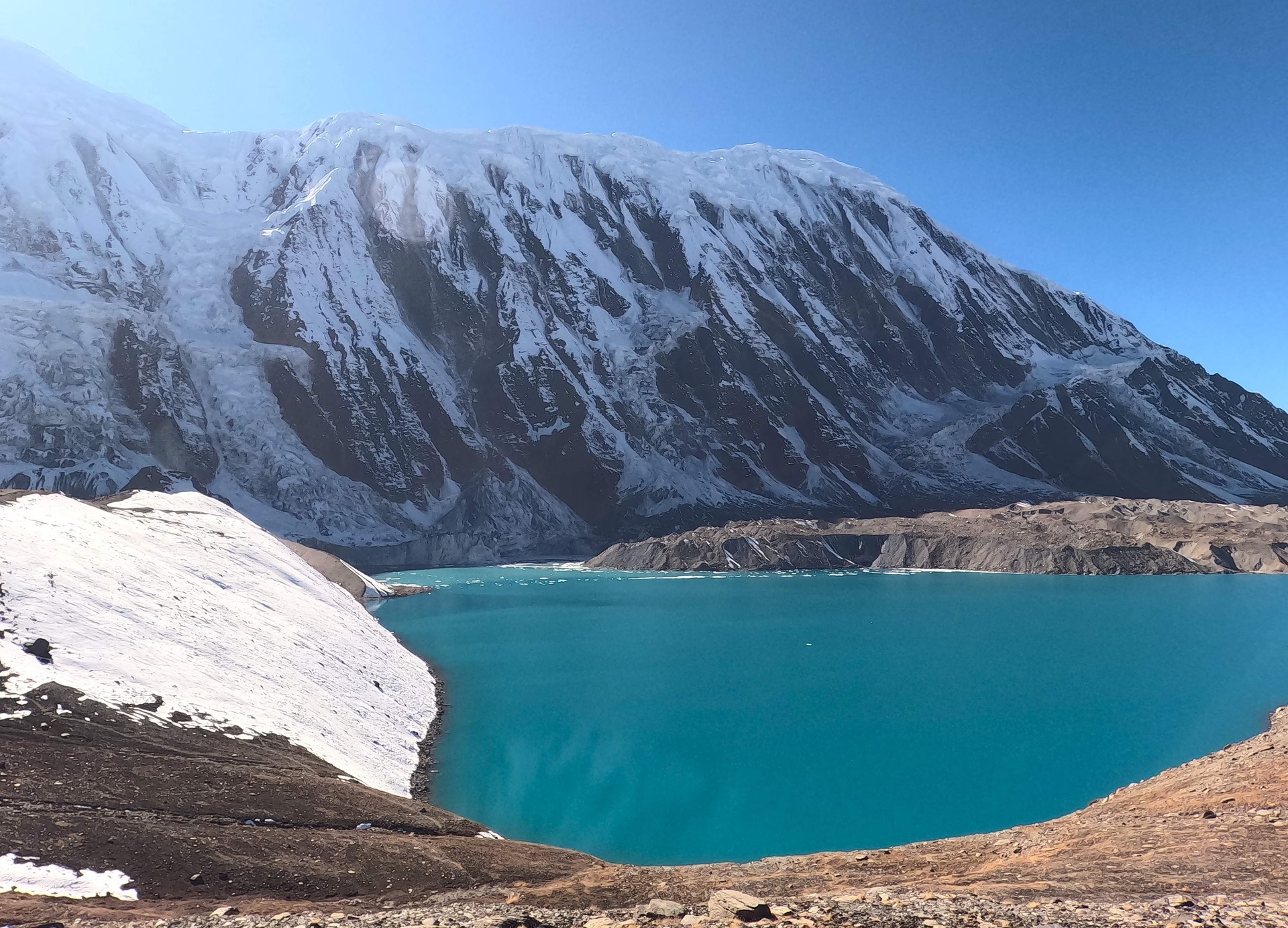
When we talk about the Tilicho Lake we must talk about the Annapurna Circuit Trek with Tilicho Lake! Yes, my calves ache just thinking about the Tilicho landslide zone. You leave your teahouse before dawn with a headlamp strapped to your beanie, kicking steps across four miles of loose, sliding shale where one lazy footstep sends rocks tumbling straight down toward the Marshyangdi river. You may wonder that the lake which sometimes half frozen at an altitude of 4919 m really worth taking all the fuss! Trust me! The journey of the Tilicho Lake is very wholesome despite all hardship!
The lake is famous among Nepalese domestic trekkers as well as foreign trekkers. It is also the fact that the journey can be accommodated during the journey of the Annapurna Circuit Trek or continue the Tilicho Lake Trek with Mesokanta La Pass crossing! Don’t miss out to explore the world’s highest situated fresh water lake of the world!
Gokyo Lakes: The Turquoise Lakes of the Everest Region
Most of the trekkers visiting the Everest region choose the Everest Base Camp Trek route. Many don’t know a hidden gem just beyond the Chola Pass or in the branch off Kyangjuma via Mongla Danda. Or, at least, branch left at Sanasa so you can follow the rubble-covered back of the Ngozumpa Glacier up to the six Gokyo basins instead. When the morning fog clears off Dudh Pokhari at five thousand meters, the water looks so ridiculously green you'd swear somebody dumped a truckload of copper sulfate into the snowmelt. Our Nepal High Trek crew always wakes folks up at four in the morning for the scramble up Gokyo Ri. Cold? You bet.
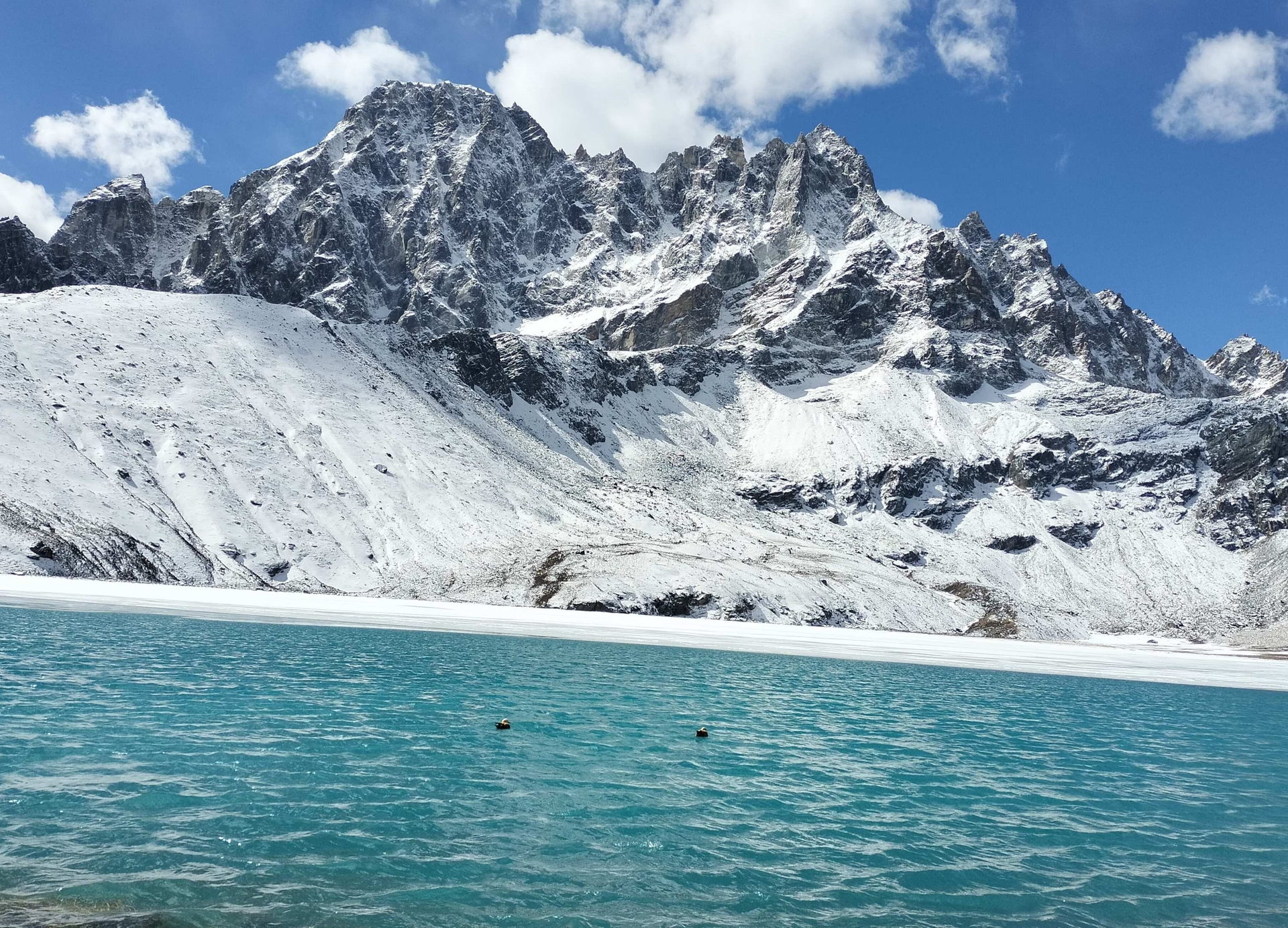
One of the most beautiful lakes of the world is the Gokyo Lake! Besides the lake, there is the famous viewpoint, the Gokyo Ri, from where you get to see the mountains as far as Makalu and Everest! Surprisingly, the scenery of these mountains looks absolutely gorgeous better than the scenery seen during the Everest Base Camp Trek. Enjoy fairyland experiences while exploring 4790 m high blue turquoise lake near the world’s longest glacier, the Ngozumpa glacier.
Shey Phoksundo Lake: The Stunning Turquoise Lake of Dolpo
Interesting fact about the Shye Phoksundo Lake which is in the Dolpo Trek route is that the journey can be done for the Lower Dolpo Trek as well as the Upper Dolpo Trek. During the journey of the Upper Dolpo, trekkers visit the Shey Gompa Monastery besides the Phoksunda Lake. The Y – Shaped lake is so majestic. I remember my first walk past Ringmo village back in 2014; I honestly thought my sunglasses were playing tricks on my eyes. Look up at the trail ahead. Local builders literally wedged pine logs into vertical rock slots hundreds of feet above the waves, and walking that skinny ledge while yaks jingle past you takes real nerve.
Gosaikunda Lake: Nepal’s Sacred Alpine Pilgrimage Destination
Old Hindu stories say Lord Shiva swallowed a dose of world-ending poison, got a wickedly burning throat, and rammed his iron trident into the Langtang rock at 4,380 meters to tap cold spring water. Come up here during August's full moon and you'll see that faith in the flesh. Dhyangro drums from the Tamang Communities, devotees of Chhetris – Brahmins, and Newari people fill the trail during August month on the occasion of the Janai Purnima Festival. Book your trip with Nepal High Trek for late October instead, when the summer pilgrims have gone home and only whistling thrushes break the silence around the water. You can do the Langtang Valley Trek and extend this amazing lake visit. If you are crunch in time, then choose the shortest Gosainkunda Lake Trek only!
Phewa Lake: Pokhara’s Iconic Lake with Annapurna Views
Nobody needs crampons for Phewa. Yes, visit this commercial and one of the famous lakes of Nepal after the Annapurna Base Camp Trek or the Annapurna Circuit Trek in Nepal. Relish time on the shores of this magnificent lake which is in the heartland of the Annapurna region where you spend time before or after the famous treks like the Mardi Himal Trek and the Ghorepani Poon Hill Trek. Sure, the eastern strip has gotten pretty noisy lately with street waffle stalls and tourist music. That said, if you pay a boatman a few hundred rupees to row you past the island temple toward the south shore's forest, the whole city disappears behind green hills.
Begnas Lake: A Peaceful Alternative to Phewa Lake
Maybe Pokhara's Lakeside traffic gives you a headache after ten days in the quiet backcountry. Explore just outside the major touristic town center of Pokhara. Besides the Phewa Lake there are few lakes where you can quench your thirst of wilderness adventures in the famous Begnas and Rupa Lake. Water buffalo soak near the reeds. Women wash clothes on flat stones while kids dive off wooden canoes into water that's actually warm enough for a real swim. Honestly, whenever our Nepal High Trek clients ask where to hide out for two lazy days with a paperback book, I send them straight to a hillside homestay above Begnas.
Tsho Rolpa Lake: A Glacial Lake in the Rolwaling Valley
Rolwaling doesn't coddle visitors. Up at 4,580 meters near the Tibetan border in Dolakha, Tsho Rolpa looks like a three-kilometer bathtub of grey meltwater held back by a shaky natural dam of dirt and old ice that makes government geologists lose sleep. Back in the nineties, engineers actually dug an open canal at the lip to drop the water level before the whole thing could burst down into the Tama Koshi gorge. Sound grim? Weirdly enough, standing along that raw ridge with Gaurishankar's ice cliffs towering overhead is one of the wildest sights in the country, especially since nine out of ten tourists don't even know the valley exists.
Imja Tsho: The High-Altitude Glacial Lake Near Everest
Sixty years ago, mountaineers walking in to climb Island Peak stepped right across solid ice where Imja Tsho sits now. Global warming chewed that glacier up fast. Now there's a sprawling, two-kilometer trough of murky olive water perched at 5,010 meters directly beneath the terrifying ice walls of Lhotse Shar. When Nepal High Trek brings climbing teams up past Chukhung to set up base camp, you can hear the glacier groaning and cracking through your sleeping mat at two in the morning. The Nepali army drained over three million cubic meters out of it a few years back just to keep Dingboche safe downstream. Nature moves quick up here.
Panch Pokhari: A Sacred Cluster of Five Alpine Lakes
Ask ten foreign trekkers in Thamel about Sindhupalchok and nine of them will give you a blank stare. That's a shame, really, because the trail up to Panch Pokhari sits right in Kathmandu's backyard yet feels fifty years removed from the commercial teahouse circuits. Five small sacred ponds sit clustered together on a windy shelf at 4,100 meters, facing the jagged white wall of Jugal Himal. No Wi-Fi. If you go outside the August festival week, your only neighbors will be yak herders boiling black tea inside low stone shelters and maybe a few pilgrims leaving marigold petals by the iron tridents. It takes less than a week round-trip.
Kapuche Lake: A Remarkable Low-Altitude Glacial Lake
Wait—a glacial lake at 2,546 meters? Most trekkers assume I'm reading the altimeter wrong when we talk about Kapuche, because permanent glacier lakes in Nepal usually sit twice that high near the snowline. Down in the steep canyon above the Gurung village of Sikles, however, huge ice avalanches tumble straight off the vertical south face of Annapurna II and pack into a shaded gorge that barely sees direct sunlight. Sometimes the snow slides crash down while you're eating lunch on the wooden deck by the water, kicking up a freezing mist that soaks your jacket in seconds. Best of all, your head won't pound from thin air at this elevation.
Birendra Lake: A Glacial Lake Near Manaslu
Every Manaslu Circuit itinerary builds in a rest day at Samagaon so you don't get sick crossing Larkya La pass two days later. Don't spend that whole morning sleeping in your lodge. A flat forty-minute stroll out past the barley fields brings you to Birendra Tal at 3,691 meters, where the dirty grey tongue of the Manaslu Glacier dumps meltwater and chunks of fizzing blue ice straight into a milky green basin. Local kids usually hang out near the outlet bridge skipping stones. Honestly, for half an hour of easy walking, getting that close to an eight-thousand-meter icefall without strapping on a harness is a total steal.
Gangapurna Lake: A Turquoise Lake Above Manang
You don't even need hiking boots to visit Gangapurna Lake; half the folks we guide through Manang wander down there in camp sandals while waiting for their afternoon yak-cheese pizza to bake. Just cross the suspension bridge below town. Right beneath the hanging glaciers of Gangapurna and Annapurna III, glacial flour—fine rock dust ground up by moving ice—turns this shallow pool a weird, milky mint color that changes whenever a cloud passes overhead. Here's the catch, though: monsoon landslides over the last few summers have dumped tons of gravel into the basin, shrinking the water line noticeably each year. Go see it before the river silt wins for good.
Mai Pokhari: A Sacred Lake in Eastern Nepal
Not every great lake in this country requires frostbite and down jackets. Way over on the eastern border in Ilam district, at a comfortable 2,100 meters, Mai Pokhari hides inside a thick forest of moss-draped oaks and giant Japanese cedars that looks straight out of an old fairy tale. The pond itself forms a natural nine-cornered star. Local Hindus worship each corner as a different avatar of Goddess Durga, while biologists geek out over the rare Himalayan salamanders living in the reeds. Whenever Nepal High Trek finishes a long Kanchenjunga expedition nearby, we love stopping here to trade dust and rocks for green tea hills and wet jungle air.
Best Season to Visit Nepal’s Famous Lakes
Show up at Tilicho in late January and you won't see a drop of water just a flat white parking lot of snow and three feet of solid ice. Timing matters. If you want those bright, postcard-blue reflections without freezing your toes off at night, book your flights between mid-October and late November once the summer monsoon washes all the dust out of the air. Spring runs a close second. From April into May, the high passes start thawing out and wild pink rhododendrons explode across the lower valleys, though you'll want to snap your photos before noon since warm afternoon thermals usually push fog up from the river gorges.
How to Reach Nepal’s Most Beautiful Lakes?
Unless you're heading to Pokhara's valley lakes on a tourist sofa-bus, getting to Nepal's alpine water means embracing a bit of travel chaos. Mountain transport runs on weather, not clocks. To reach the Gokyo basins, you squeeze into a tiny nineteen-seat Twin Otter plane bound for Lukla's uphill runway and then walk for a week up the Dudh Koshi canyon. Far-western spots like Rara or Phoksundo take even more patience with two domestic flights via Nepalgunj followed by dusty mule tracks where jeeps can't even fit. That's why our Nepal High Trek planners always tack two spare buffer days onto the end of your itinerary, just in case clouds shut the airstrips down.
Trekking Permits, Local Guides and Conservation Rules for Lake Visits
Red tape in Nepal catches a lot of independent travelers off guard. Since the government banned solo trekking inside national parks a couple of years back, you can't just lace up your sneakers and stroll up to Gokyo or Tilicho without paperwork and a licensed local guide. Restricted zones are even stricter. Want to see Shey Phoksundo in Lower Dolpo or Birendra Lake up in Manaslu? You'll need at least two people on your permit plus specialized regional passes issued through a registered agency like Nepal High Trek before you ever hit the trailhead. Also, leave the Mavic drone in your hotel bag unless you fancy spending three weeks begging five different ministries for aviation clearance. Yes, getting drone permit is very bad but it is possible if you give enough time to the travel planners of the Nepal High Trek.
TIMS permit used to be the mandatory permit but it is no longer in use! The blogger can’t say that it may not come in future but it is not in use now. Allocate minimum NRs. 3000 to 50 $ per day to buy trekking or visiting permit inside Nepal. Nowadays, Nepal Government has eased the provision of getting the restricted area permit as well but note down that you must process the permit from the registered trekking company.
Cultural and Religious Significance of Lakes in Nepal
Whatever you do, don't skinny-dip in a high Himalayan lake. I've seen clueless tourists try it at Gosaikunda and Gokyo, completely missing the fact that locals view these alpine basins as living temples rather than public swimming holes. To Hindu villagers, high lakes hold the literal nectar of the gods. Meanwhile, Sherpa, Tamang, and Dolpo communities believe cold-water spirits called Lu guard the depths, and offending them by tossing trash or dirty boots into the water brings hailstorms or sickness down on the whole valley. Notice the stacked stone cairns and faded prayer flags along the bank? Keep your voice down, walk clockwise around the shrines, and respect a belief system that has kept these waters clean for centuries.
Biggest thing you should know while reading the Famous Lakes of Nepal blog is about the prospect of meeting different backgrounds of people. Even if this country is small, the nation boasts amazing diversity in terms of people. Therefore, the country is blessed by the diverse attractions of culture, traditions, flora, and fauna! Well, this blogger is so sure that the country’s biggest bargaining chip to the world is its diversity in terms of culture and nature.
Responsible Tourism: Protecting Nepal’s Fragile Lake Ecosystems
At five thousand meters, a discarded Snickers wrapper takes decades to rot because the soil stays frozen eight months a year. People forget that. Every autumn, thousands of boots pound the moraines around Gokyo and Tilicho, where leaky toilets and chemical soap runoff threaten drinking water for entire valleys downstream. How do we stop trashing the places we love? Carry a UV purifier bottle instead of buying ten plastic water jugs, keep sunscreen out of the creeks, and stick to the rock path. Our Nepal High Trek guides haul every scrap of camp garbage back down to the road. You should too.
All the things mentioned above are general items! If you choose to travel with the company like the Nepal High Trek, then remember that we look towards the sustainable tourism development. Our trip arrangements intend to support people from marginalized community and host places. Please check out our Corporate Social Responsibility page to know what are the things that we are doing to contribute the society. We never intend to benefit from the profits but we wish to give back what we earn to those stakeholders who matter a lot.
GLOF threat in Nepal
Look, water shouldn't act like a runaway freight train. It just shouldn't. But up in the jagged high-altitude corridors of the Himalayas, rising temperatures are melting ice fields at a frankly terrifying pace, turning quiet frozen reservoirs into ticking atmospheric time bombs. What is a GLOF exactly? It’s a Glacial Lake Outburst Flood, and when that ancient ice dam finally snaps, a literal mountain tsunami shreds everything power grids, bridges, whole villages in its blind rush downstream. We saw this nightmare play out with the 2026 Bhotekoshi collapse. Terrifying stuff. Honestly, as a guide, watching a valley get swallowed whole leaves a mark you can't just shake off.
Are Nepal’s Glacial Lakes vulnerable?
So, are these high-wire pools actually ready to pop? Yeah. Honestly, the mechanics are pretty straightforward and summer heat cooks the ice, the permafrost thaws out, and suddenly that natural dam holding back millions of gallons of freezing slush loses its structural grip. Not ideal. We’ve got thousands of these new, jittery lakes forming across the Third Pole right now, and the climate math suggests the hazard is tripling. Do we know which ones will fail next? Well... maybe, but finding the funding to stick early-warning sensors on every single high-altitude puddle is a massive logistical headache that international climate funds haven't really solved yet. Here's the catch. It isn't just about the lakes being fragile; it’s about the staggering exposure of the communities sitting right in the crosshairs below.
Why Nepal is still the safest country to trek or travel?
Now, you’re probably wondering if you should cancel your flights. Don't. That said, I get the hesitation, but these flash floods are hyper - localized events that don't wipe out the entire country's tourism grid. The major trails? They are completely open, heavily monitored, and seeing near-record crowds this year for a reason. We watch the skies. At Nepal High Trek, we don't just blindly send you up a valley and cross our fingers; we track weather data obsessively and map routes far away from unstable hazard zones. Besides, the Himalayas are massive. If one gorge acts sketchy, we seamlessly pivot you to another trail that is completely secure, letting you focus on ridiculous views instead of runaway ice water. Safe? Absolutely.
Make sure that you get the best information before traveling to Nepal. We don’t ask you to pay money upfront and we don’t force you to travel. Our aim is to make sure that your travel investment yields worth of every penny spent. Therefore, we never promise things which we can’t deliver. But remember that you can surely get impeccable hospitality from us as the Nepal High Trek is the best trusted local trekking company of Nepal.
While writing the blog about the famous lakes of Nepal, this blogger wishes to tell you about related treks. If you are not satisfied, make sure to contact our travel planners! You can either directly contact on platforms like WhatsApp or Viber on the number +979851142116! Quench your thirst of getting the right information and knitting the best travel adventure! Famous lakes of Nepal are for all to see but remember that you can trek around these lakes. From the commercial trails to restricted area’s trails are covered in the section of the famous lakes of Nepal.
Nepal High Trek
Travel writer and passionate explorer sharing stories and expert guides from the heart of the Himalaya.