
Are you planning to visit Nepal’s trails without Nepal Trekking Insurance? Remember that mountains don't care. You can train for six months straight, pack the pricier Gore-Tex shell, and still wake up in Gorak Shep with fluid rattling inside your lungs at three in the morning. Honestly, what's your move then? Down in Kathmandu, we watch folks try to cheap out on policies every single season, only to panic when they realize nobody sends a rescue chopper without guaranteed cash up front. Yes, Nepal Trekking Insurance matters a lot from safety point of view to getting worth of every penny spent for the trip.
Here's the catch. Unless your paperwork explicitly covers you up to 6,000 meters when you walk with us at Nepal High Trek, you're basically gambling your life savings against thin air. Well, we never put lives of our clients at risk. Therefore, we clearly ask for the travel insurance when needed. Nowadays, Nepal Government has also made it clear that you must obtain proper Nepal Trekking Insurance before heading to the trails of Nepal.
Some trekkers choose to travel to trails of Nepal without proper insurance and they end up paying hefty sum of money on helicopter rescue as well as medical expenses. Today’s blog is about finding out different aspects of the Nepal Trekking Insurance. We will talk about importance, uses, better companies, and processing ideas!
Why Is Trekking Insurance Important for Nepal?
Paved roads vanish fast. Once your boots leave the jeep tracks behind in the Khumbu or Manaslu, there isn't a single wheeled ambulance coming to save you if your blood oxygen nose-dives past 4,000 meters. Look, altitude sickness plays dirty. I mean, I've personally watched marathon runners turn pale as chalk and vomit up their garlic soup while a chain-smoking grandfather strolls past whistling. Even the locals are not exempt from the risk of altitude sickness. It must be taken seriously.
Why risk going broke? Pulling an uninsured trekker off a high ridge by helicopter easily burns through $5,000 to $10,000 before a Kathmandu doctor even shines a flashlight into your eyes. Buy the policy of Nepal Trekking Insurance from the reputed company and get relieved. In fact, getting the insurance means you are safe financially!
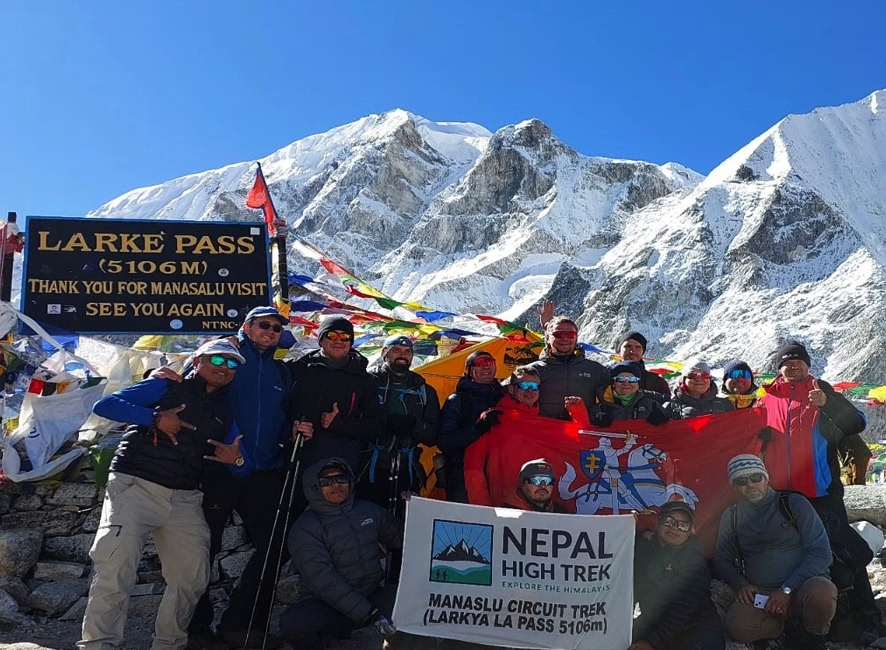
Manaslu Circuit Trek
View detailsWhat Does Nepal Trekking Insurance Typically Cover?
Forget lost suitcases. When you're shivering inside a plywood teahouse at 5,000 meters, you couldn't care less if the airline owes you fifty bucks for a dented duffel bag back in Doha. What actually saves your skin? Your proper insurance plan covers emergency helicopter rescue, medical expense, accidents, delays, and flights cancellations.
Note down that the mountain weather is very unpredictable. If whiteout fog traps you at Lukla airstrip for four days, good coverage eats the cost of rebooked tickets and extra hotel nights without a fuss. You need all possible details and preventive plans in your insurance package.
Which are the top and reputed insurance companies to buy trekking insurance?
Credit card perks fail here. Don't let some sweet-talking bank rep tell you their "platinum worldwide cover" works in the Himalayas, because those freebie contracts almost always bail on you above 3,000 meters. Who actually pays up? Over at Nepal High Trek, we see World Nomads (specifically their Explorer plan), True Traveller & British Mountaineering Council for UK folks, Rise & Shield, Cover More, Allianz, and IMG Global approve chopper flights without endless stalling. Indian trekkers usually grab ASC360. These companies are highly recommended to get the Nepal Trekking Insurance.
Now, if you're coming from North America and want zero drama, pairing a Global Rescue membership with regular medical insurance is, well, pretty much the gold standard.
Emergency Helicopter Evacuation Coverage in the Nepal Himalayas
Rotors beat stretchers. When you're gasping for oxygen near Lobuche or nursing a snapped ankle below Larke La, a private helicopter is literally the only thing standing between you and a very dark outcome. That said, aviation fuel in the high country costs an absolute fortune. One single pickup above 5,000 meters will run anywhere from $5,000 to $10,000 and up to $15,000 if you're stuck way out in Upper Dolpo or Kanchenjunga.
Make sure that your insurance plan clearly states that you will be lifted from the places above 5500 m altitude especially in the higher elevation places. If not, you may have to pay by yourself.
Does trekking insurance cover helicopter evacuation without a serious medical emergency?
Forget about it. Insurance companies aren't running a free sky-taxi service for hikers who suddenly realize walking uphill for six hours straight hurts their calves and ruins their manicure. Look, blame the old scams. Because shady operators used to call choppers for minor blisters just to pocket kickbacks, foreign claims desks now treat every single flight request from the Himalayas with extreme suspicion.
Need an airlift paid for? Guides will check and you need to properly validated by the helicopter company, local authority, and hospital authority. So, don’t think about getting free ride!
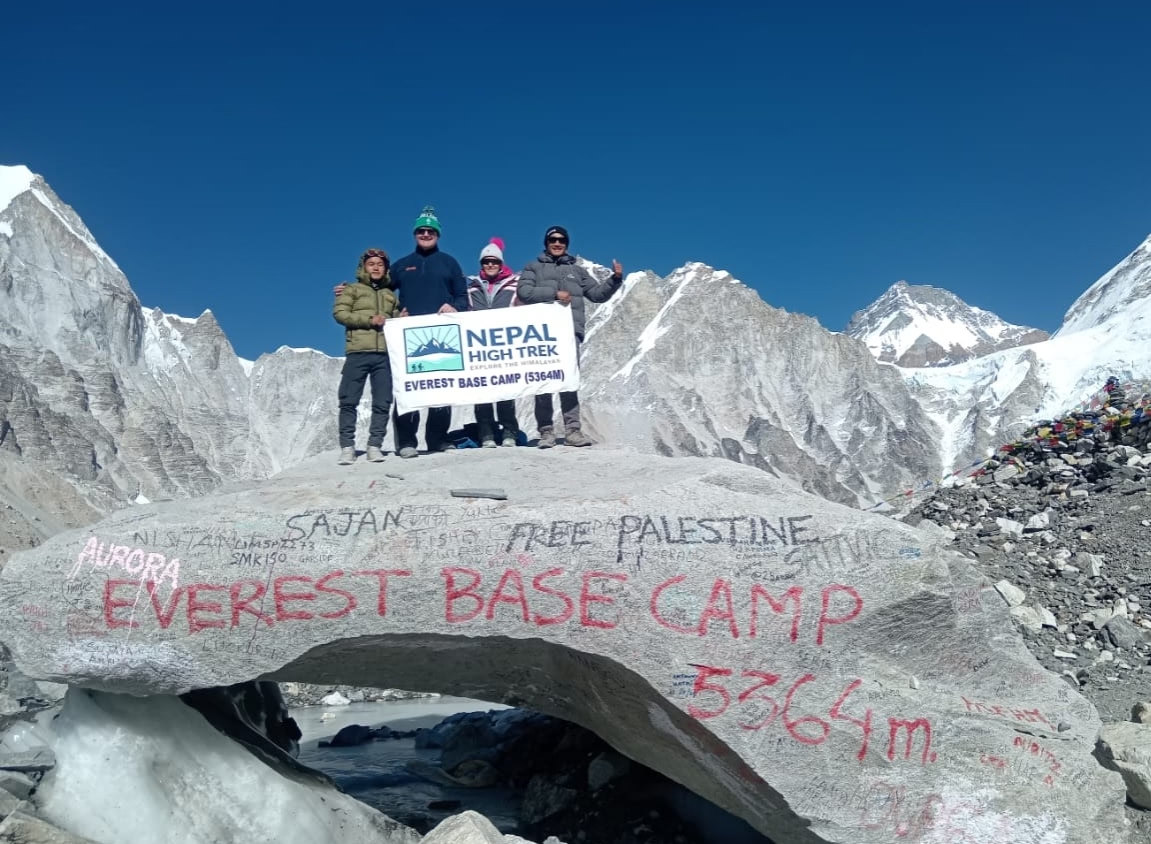
Everest Base Camp Trek: Leave Your Footprint at the World’s Tallest Base Camp
View detailsHigh-Altitude Trekking Insurance: Understanding Altitude Limits
Read the tiny numbers. As mentioned above, make sure that you carefully read the insurance plan you are buying. Most of the insurance underwriters slice the mountains into different zones. They also carefully plan out the GPS record before finalizing your pay. Therefore, give honest information about your trekking route. For example, you buy a cheaper insurance plan that covers 4000 m policy for the Annapurna Circuit Trek and you catch the altitude sickness near Thorong La Pass! Well, call for a chopper can cost you a lot and your insurance doesn’t cover it.
They won't pay a cent. Claims adjusters check the exact GPS altitude on the pilot's flight plan before wiring a dime, so always buy a 6,000-meter to be safe. Check the plan and ask your travel company to get the validity of the insurance plan.
Medical Expenses and Hospitalization Coverage During a Nepal Trek
Landing in Kathmandu isn't the finish line. Once the helicopter drops you on the pad, you're headed straight into a private international facility like CIWEC or Norvic, where Western-grade care comes with a hefty price tag. How hefty? Staying three nights on an IV drip and high-flow oxygen for pulmonary edema or brutal giardia easily racks up $500 to $3,000 a day in the tourist health clinic in Kathmandu or Pokhara.
Look, watch out for sneaky bundled limits. When you book with Nepal High Trek, we tell you to grab at least $100,000 in standalone medical coverage so the chopper bill doesn't eat your hospital budget.
Can I use one insurance policy for multiple trekking regions during the same Nepal trip?
You bet. Underwriters don't sell policies by the valley, so you won't need separate paperwork if you decide to link the Annapurna Circuit with a quick dash up into Langtang on the same visa. What do they actually track? Insurers only care about your total trip dates and the single highest point your boots will touch before you fly home.
Just cover your highest pass. Say you're booking back-to-back routes with Nepal High Trek—doing Mardi Himal at 4,500 meters followed by Kala Patthar at 5,545 meters—one 6,000-meter policy spanning both months covers every single step.
Search and Rescue Coverage for Remote Mountain Regions
Evacuation and search aren't twins. While medical evacuation kicks in when our guide calls from a teahouse with your pulse ox reading, search and rescue pays for the crews hunting for you if a freak whiteout buries the trail.
Here's the catch. Some budget policies cap search expenses at a measly $5,800—or refuse to pay unless an authorized team leads the hunt. Heading out to wild borderlands like Kanchenjunga, Upper Mustang, or Dolpo? Double-check the fine print before you leave home, because burning three hours of helicopter search time in those deep canyons will blow past a cheap sub-limit before lunch.
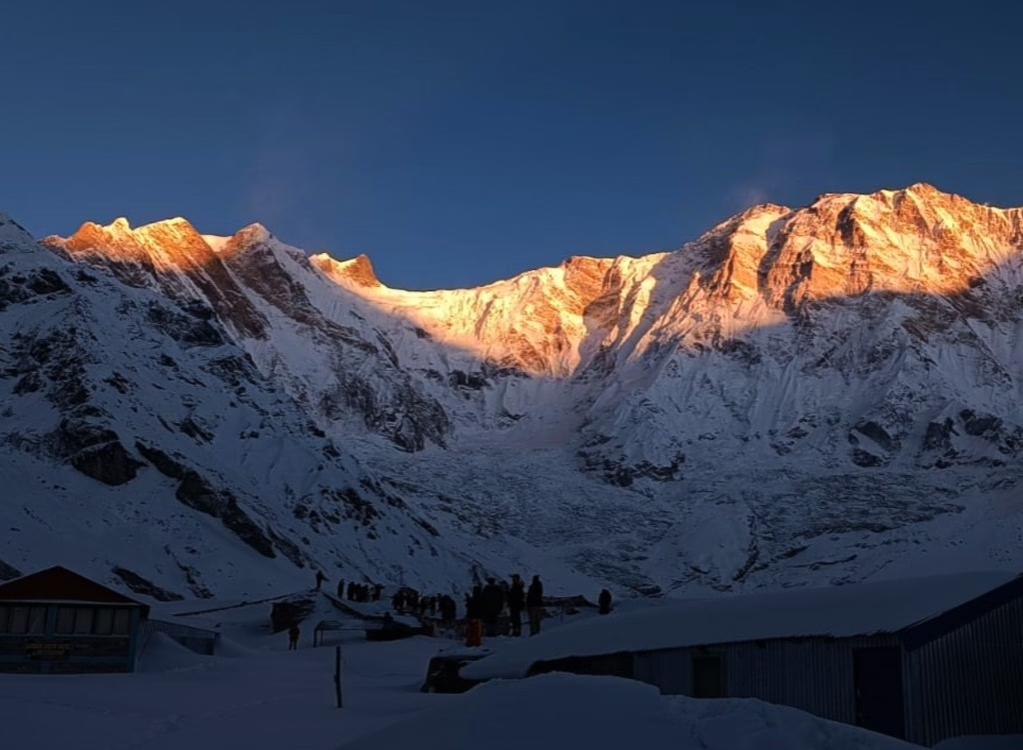
7 Days Annapurna Base Camp Trek
View detailsTravel Insurance vs. Specialized Trekking Insurance: Key Differences
Regular holiday insurance is built for sightseeing. It's great if you catch food poisoning in Bangkok or lose your mobile phone in Rome, yet it falls completely flat the afternoon you hike past Namche Bazaar at 3,440 meters. Why's that? Many insurance agents’ multiple day walking activity above 3000 meters class into same risk bucket as sky diving or bull riding. It gives them legal excuse to bin your claim. Standard underwriters lump multi-day walking above 3,000 meters into the same risky bucket as skydiving or bull-riding, which gives them a legal excuse to bin your claim.
Specialized trekking coverage is completely different. You define the route and the highest elevation too. These insurance plans are especially built for rough mountain trails, high altitude sickness, emergency helicopter rescues and elevation goes up to 6000 meters in the insurance plan.
Does Standard Travel Insurance Cover Everest Base Camp Trek?
Not a snowball's chance. Everest Base Camp sits at a lung-squeezing 5,364 meters, and the dawn trudge up Kala Patthar tops out at 5,545 meters nearly double the 3,000-meter cutoff buried inside standard travel policies. Honestly, don't fall for marketing fluff. People land in Lukla waving some generic bank sheet, catch a splitting altitude migraine at Dingboche, and find out the hard way that their coverage died two days earlier below Namche.
Want on our roster? To walk to Base Camp with Nepal High Trek, you'll need an adventure add-on rated to 6,000 meters with helicopter rescue spelled out in black and white.
Insurance Requirements for Everest, Annapurna and Manaslu Treks
All three giants breach 5,000 meters. Whether you're gasping on Kala Patthar (5,545m), crossing Annapurna's windy Thorong La (5,416m), or post-holing over Manaslu's Larke La (5,106m), a single 6,000-meter policy covers the whole trio.
Now, Manaslu is stricter. Because it's a restricted border zone near Tibet, we can't even process your permits or send you down the trail at Nepal High Trek without verified rescue insurance on file. Doing Annapurna Base Camp instead? Even though that sanctuary sits lower at 4,130 meters, you should still buy a 5,000-meter policy so an unexpected side hike doesn't accidentally void your whole contract.
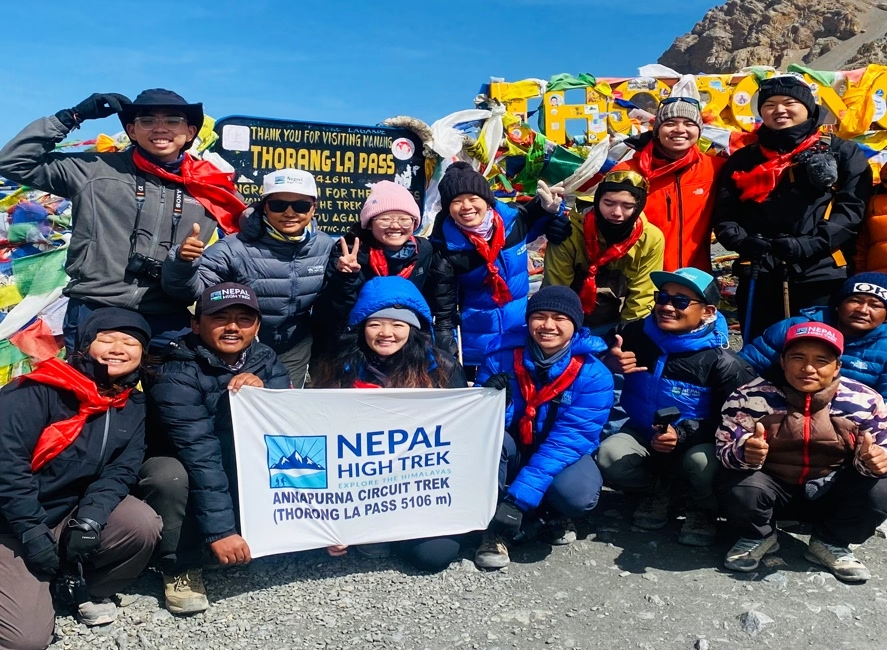
Annapurna Circuit Trek: Explore the world’s longest Thorong La Pass
View detailsWhat Is Not Covered by Nepal Trekking Insurance?
Ropes change everything. The moment you clip into a fixed line or strap on crampons for a summit push up Island Peak (6,189m) or Mera Peak, insurance agents reclassify your trip from "trekking" to "mountaineering" and wash their hands of you unless you bought a climbing rider.
What else gets rejected? Forget about getting reimbursed if you hid an old heart condition, drank three beers before tumbling off a suspension bridge, or ordered a helicopter just because your legs felt tired. Insurers check everything now. Following recent crackdowns on fake rescues, their medical teams demand hard clinical proof before approving any chopper flight. You can read our blog about Fake Helicopter Rescue in Trekking routes of Nepal in this website too!
How to Choose the Right Insurance Policy for Trekking in Nepal?
Skip the cute comparison tables. Open the Nepal Trekking Insurance Policy PDF, hit Ctrl+F on your keyboard, and search for the word "altitude" before you hand over your credit card details. What numbers do you need? Look for a written 6,000-meter highest point, at least $100,000 for helicopter rescue, and a 24-hour assistance hotline that works from overseas so our guides aren't left hanging on hold.
Please choose the insurance companies that I have mentioned above to get Nepal Trekking Insurance. Buy before flying out. Wait until you're sipping coffee in Thamel, and most providers will slap an eight-day waiting period on your policy while you're already walking up the trail.
Documents and Insurance Details to Carry During Your Trek
Dead phones don't talk. When it's minus ten degrees at Gorak Shep and your battery drops from forty percent to zero in five minutes, a PDF buried in your email inbox won't help anyone. Print the paper out. Before we leave Kathmandu, hand one physical copy of your certificate to our Nepal High Trek office, give a second sheet to your lead guide, and stuff a third inside a Ziploc bag in your pack. That sheet needs three specifics. Make sure your policy number, the 6,000-meter limit, and the insurer's 24/7 emergency pre-approval phone number are highlighted right on top.
Hello travelers from across the globe, do you need assistance to obtain the Nepal Trekking Insurance? Make sure to contact the travel planners of the Nepal High Trek. You will surely get the best advices and best recommendations.
Please remember that you can’t trek safely or legally in Nepal without getting valid Nepal Trekking Insurance. So, don’t hesitate to buy the plan but buy it after consulting with the travel planners! You may not need to buy hefty and expensive plan if you are trekking less risky lower elevation short trails. Therefore, always communicate with your travel planners before buying Nepal Trekking Insurance.
Nepal High Trek
Travel writer and passionate explorer sharing stories and expert guides from the heart of the Himalaya.