
Guide for Winter Trekking in Nepal
Winter trekking in Nepal offers a peaceful Himalayan adventure with snow-covered mountains, clear skies, breathtaking landscapes, and fewer crowds. From December to February, popular lower-altitude routes such as Ghorepani Poon Hill, Mardi Himal, and parts of the Langtang Valley provide memorable trekking experiences. Although winter brings freezing temperatures, snowfall, and challenging trail conditions, proper preparation, warm clothing, flexible itineraries, and experienced local guides can make the journey safer and more enjoyable. Discover the best winter trekking routes, weather conditions, essential packing tips, and practical advice for exploring Nepal's Himalayas in 2026/2027.
While talking about the best season for trekking in Nepal, spring season and autumn season win all! Well, recent climatic changes prove that the season is slowly shifting. We need to consider again about finding best time to trek. If so, then when is the best time to trek? The answer is obviously spring season and autumn season are okay but consider winter season too! Winter season starts from December and lasts until February! People think the Himalayas shut down on December 1st. Total myth. Once the last November charter buses roll out of Pokhara and Lukla flights stop getting overbooked by stressed tour groups, the trails actually get quiet enough that you can hear your own boots crunching frost. Today’s blog is to provide guide for winter trekking in Nepal. Get all the updates, safety considerations, and recommendations.
Will your nose get cold before breakfast? Sure. But here at Nepal High Trek, we run trips all through December, January, and February because the afternoon glare off the snow and the empty ridgelines beat October's elbow-to-elbow traffic jam any day of the week. Why queue up behind forty strangers just to snap one photo? Choose the months of winter season and hog all the landscape all to yourself. Many believe that winter trekking is nearly impossible especially in the higher elevation places. If properly planned, then you can actually trek in these months. Our guide for winter trekking in Nepal can surely help you prepare for the memorable winter walking holiday in Nepal.
Mardi Himal Trek
View detailsWhy Choose Nepal for Winter Trekking in 2026–2027 ?
Autumn crowds ruin good mountains. If you walked anywhere near Namche or Ghorepani last peak season, you probably remember waiting ten minutes just to cross a single wire bridge or sleeping next to a noisy dining hall because every bedroom was booked solid. The 2026–2027 winter season flips that script completely. Dust settles out of the lower valleys, so the big eight-thousand-meter walls look razor-sharp from fifty miles away. Even better, teahouse owners aren't rushing forty orders at once, so you can actually sit by the kitchen fire with our Nepal High Trek crew and drink hot lemon tea in peace.
Best Winter Trekking Routes in Nepal for Different Experience Levels
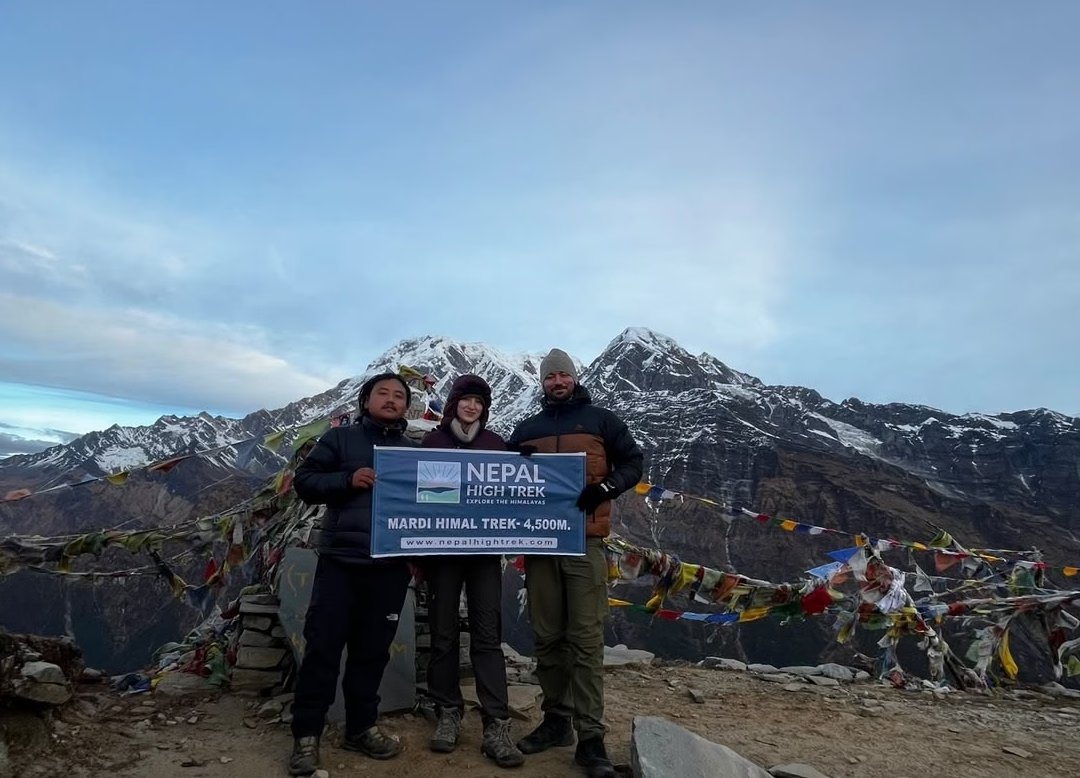
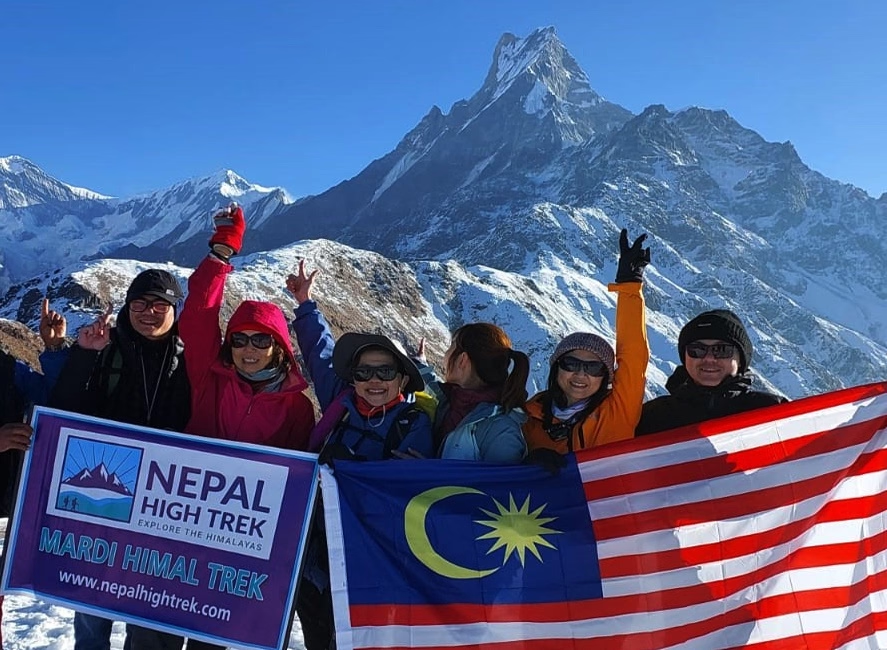
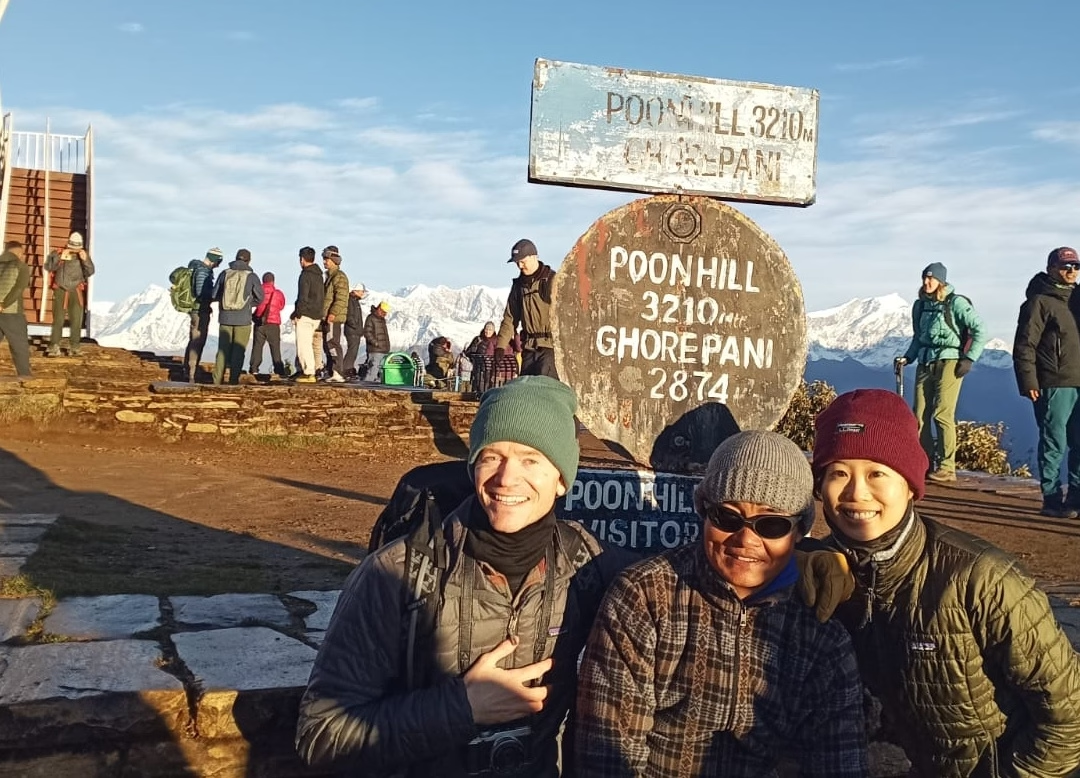
Don't pick a winter route just to brag at home. Elevation dictates everything now. First-timers do great on lower trails like Ghorepani Poon Hill (3,210m) or Pikey Peak, since you sleep low enough that your water bottle won't freeze solid inside your room. Want something steeper? The option of doing the Langtang Valley Trek is also open. After the massive Rasuwa Flash Flood, the place is slowly becoming accessible. If everything remains the same and the construction works continue to be in this pace, then winter Langtang Valley Trek is also possible! Similarly, the Mardi Himal Trek is also an ideal option to try. In this guide for winter trekking in Nepal, get the best options and decide where to go next!
Everest Base Camp Trek is also possible at least during early weeks of December! Many trekkers trek to Dingboche and return back if it is snowing heavily in this trail. Annapurna Base Camp Trek can bring lots of joy but trekkers need to be careful if it is snowing heavily especially in the sections between Deurali, Machhapuchhre Base Camp, and Annapurna Base Camp.
Understanding Nepal's Winter Weather, Snowfall, and Temperature
Winter in Nepal is actually the dry season with less rainfall but winter rain and snowfall happen. That surprises almost everybody. Throughout December and early January, mornings usually start dead clear with zero cloud cover, and while you're grinding uphill at noon in a light fleece, the sun feels legitimately hot on your neck. Then 4:00 PM hits. Once the sun ducks behind a ridge, temperatures nose-dive fast dropping from a pleasant 10°C during lunch down to minus 10°C or minus 15°C up above 3,800 meters at night. Heavy snowfall may come in the higher elevation places where you need to make sure that you are careful before traveling further.
Winter Trekking in the Everest, Annapurna, and Langtang Regions
Let’s talk about three major trekking regions while giving you the guide for Winter Trekking in Nepal. Trekking in December is way comfortable nowadays. Please check out our list of the possible treks to do in the first month of winter season. In the Everest region of Nepal, the prospect of the Everest Base Camp Trek is under certain conditions but you can surely do different treks. For example, the Everest View Trek to Tengboche, Khumjung – Khunde Village Trek, and Gokyo Lake Trek are possible! On the other side, you can choose to do the Pikey Peak Trek too. Note down that the Pikey Peak Trek route is specially designed by our trekking guides who went there during off season to find out the updated conditions of trail.
As in the Annapurna Region, you can try the Annapurna Base Camp Trek too but you need to be careful about lump of snow coming out especially in the higher elevation places. Ideal treks to do in the region are Ghorepani Poon Hill Trek, Mohare Danda Trek, Khopra Ridge Trek, and Mardi Himal Trek.
Langtang region is also ideal to trek during winter season! If everything goes well in Syabrubeshi, then you can surely start the trekking activities from 2027 January! Go on the Tamang Heritage Trail Trek, Gosaikunda Lake Trek, and the Langtang Valley Trek in Nepal during winter season.
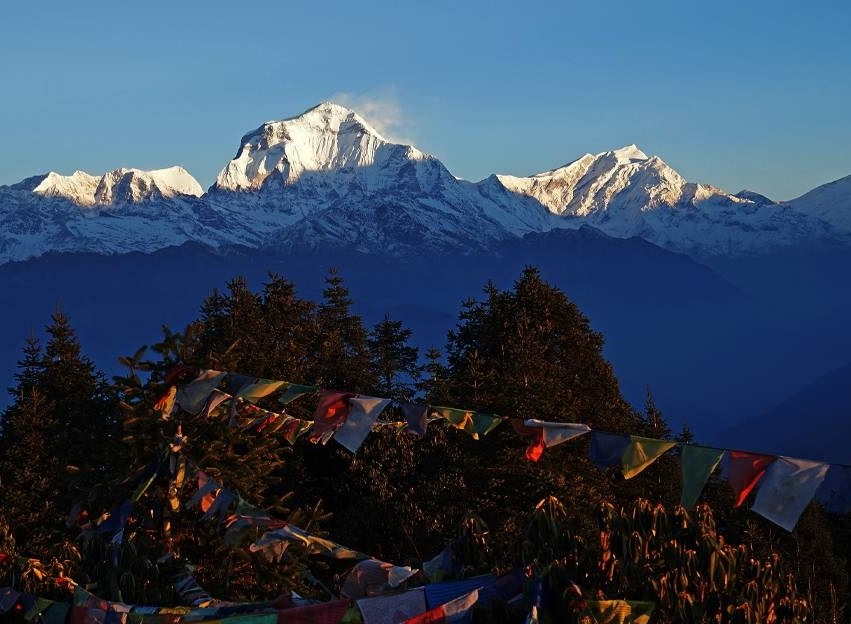
Ghorepani Poon Hill Trek: Poon Hill Trek 4 Days From Pokhara
View detailsWhat to Pack for Winter Trekking in Nepal: Clothing and Equipment?
Leave cotton jeans in Kathmandu. Seriously, don't bring them. Because you'll sweat buckets climbing steep stone staircases at 11:00 AM and start shivering five minutes after you sit down for noodle soup, you have to dress in peelable layers. Start with heavy merino wool thermals next to your skin, add a mid-weight fleece, and carry both a hard windproof jacket and a fat down puffer for camp. You also need windproof gloves, wool socks, and slip-on microspikes for shady ice patches. Missing a minus-20°C sleeping bag or big puffy coat? Don't buy one for a single trip—just borrow ours at the Nepal High Trek office.
Tea House Accommodation and Food Availability During Winter
People always ask if the mountain villages turn into ghost towns. They don't. Down in places like Namche Bazaar, Ghorepani, or Kyanjin Gompa, plenty of lodges stay open all winter, though up past 4,500 meters (like Lobuche or Gorakshep) you might only find tea houses keeping their stoves lit with the help of few staff members. Menus shrink a bit because fresh spinach doesn't grow in frozen dirt. Instead, you'll eat mountains of hot dal bhat, fried potatoes, noodle stews, and garlic soup. Don’t worry, you can get good lodging and meals facilities even during winter season.
Nowadays, most of the trekking trails have become commercial trails where you can find establishments throughout the year. So, don’t worry about services like room and food. This is probably the best guide for winter trekking in Nepal in terms of accommodation and meals services.
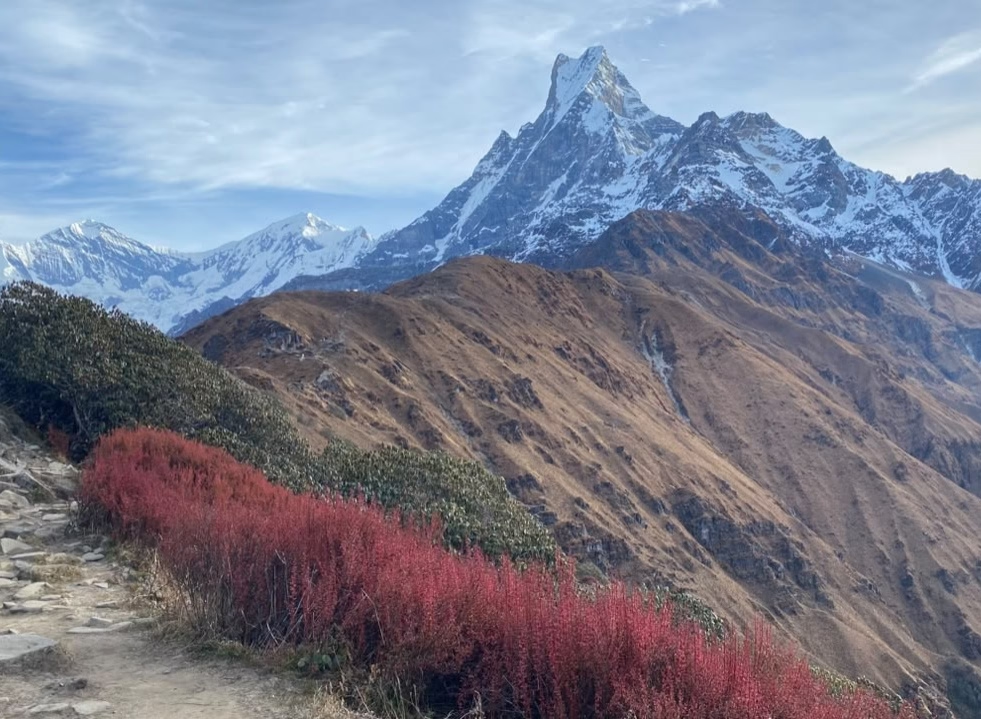
Winter Trekking Challenges: Snow, Icy Trails, and High-Altitude Passes
Black ice is sneaky. Even when open valley trails are bone-dry dirt, dark rhododendron forests hide frozen water trickles that turn stone steps into total slip-traps if you aren't wearing microspikes. Then you have the 5,000-meter passes—places like Thorong La, Larkya La, or Cho La. Crossing those in late January is honestly a coin toss. One bad overnight storm can dump waist-deep powder over the cairns and lock a pass tight for ten days straight. That's why we usually steer winter clients toward out-and-back valley routes where you never get boxed in on the wrong side of a mountain.
Safety Measures, Altitude Sickness, and Cold-Weather Precautions
Cold weather tricks your brain into thinking you aren't thirsty. Big mistake. When you breathe freezing dry air all day without drinking four liters of water, your blood thickens up and altitude headaches hit you way faster than they would in April. On top of that, your body burns half its energy just trying to stay warm at 4,000 meters. When you walk with Nepal High Trek, our guides check your blood oxygen at dinner, nag you to drink hot ginger tea, and never rush the climb. Quick tip: stuff your phone and camera batteries inside your sleeping bag at night, or the frost will drain them dead by dawn.
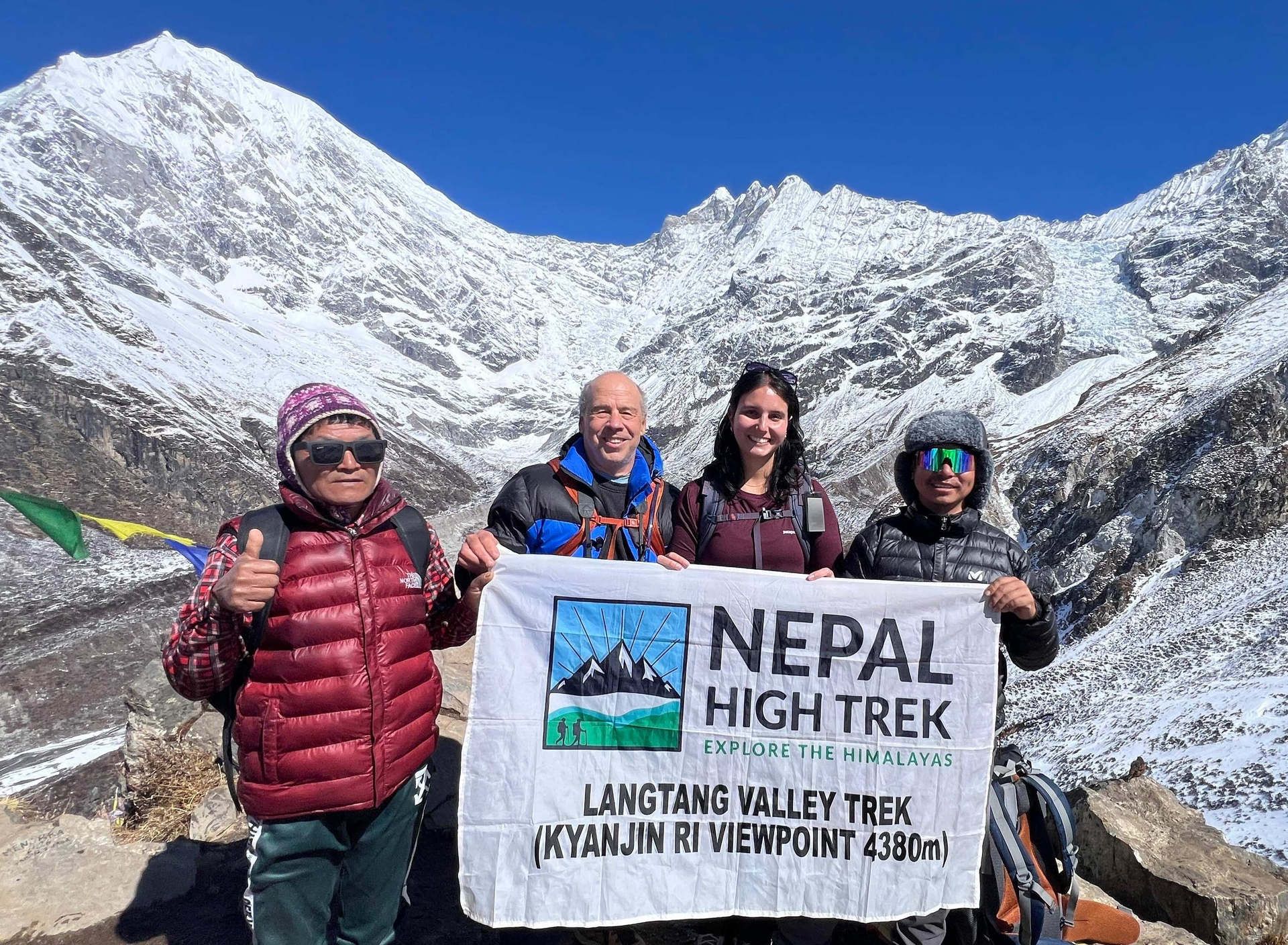
Langtang Valley Trek
View detailsWinter Trekking Permits, Guide Requirements, and Trip Costs
National Park and conservation areas charge similar permit cost throughout a year. Yes, it is same which is NRs. 3000 to foreigners and it is NRs. 1000 to NRs. 2000 to SAARC nationals. In the restricted areas, the cost of the winter season trekking permit is lesser than in other seasons. For example, the Manaslu Circuit Trek in autumn season costs 100 $ but winter season costs only 75 $. Remember that you can’t trek in Nepal without the help of trekking guides and crew members especially during this season. Generally, the cost of the winter trekking can be lower in terms of city accommodation but it may not be less during the trek. So, don’t expect too much slash in cost of the winter trekking.
Essential Tips for Planning a Successful Winter Trek in Nepal
Forget 6:00 AM wake-up calls. In October you start early to beat afternoon clouds, but in January, hitting the trail before 8:00 AM just means walking in the dark with numb toes until the sun finally clears the ridge. Leave your hydration bladder tube at home too and the rubber hose freezes solid in ten minutes and carry wide mouth water bottles tucked inside thick wool socks instead. Also, pad your flight home with two extra days in Kathmandu in case winter fog delays domestic planes.
And if your Nepal High Trek guide spots heavy gray anvil clouds building over a pass and says turn around, trust their call. Recently, from 29th October till 1st November 2026, people were stuck in Ngawal Village on the Annapurna Circuit Trek route. You can’t predict the conditions by simply putting guide for winter trekking in Nepal. Therefore, always heed the instructions of your guide for a successful winter trek in Nepal.
Frequently asked
Nepal High Trek
Travel writer and passionate explorer sharing stories and expert guides from the heart of the Himalaya.