

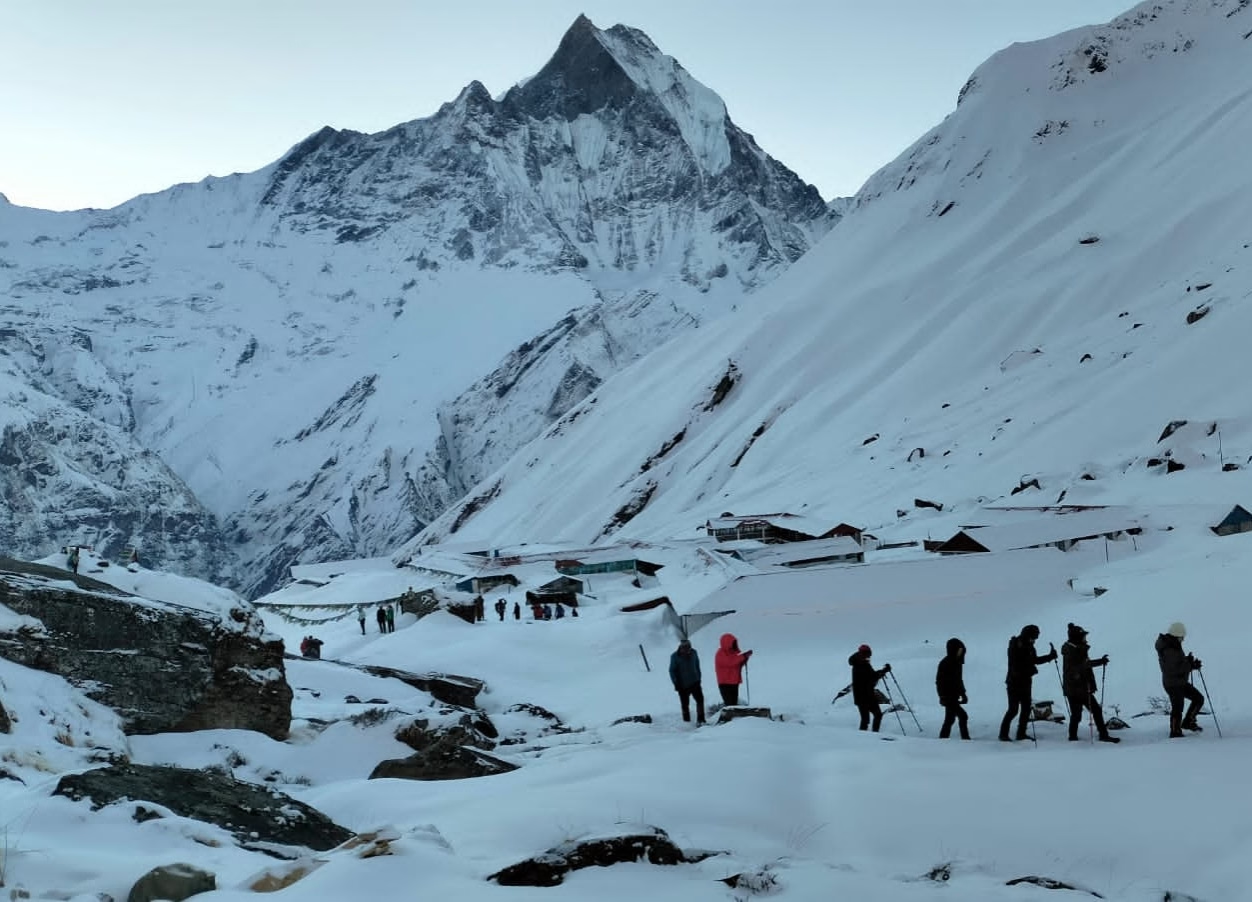
Well, everyone knows you can just hike straight up the valley to the base camp from Jhinu instead of the Poon Hill route. But why rush it? Adding Poon Hill to the mix changes everything about this journey. It’s like eating your dessert first, yet somehow the main course still blows your mind. You get those insane early-morning Himalayan views before you even hit the really thin air. We at Nepal High Trek always push people toward the Annapurna Base Camp via Poon Hill if they have the time. It just flows better. You aren't just walking up a gorge; you're taking a winding detour that actually preps your lungs for the real high-altitude stuff waiting up ahead.
Naturally, the journey to the base camp of the world’s 10th tallest mountain, Mount Annapurna, requires lots of planning. Today’s blog is about helping you get more information about the classical Annapurna Base Camp Trek route. Nowadays, there are different routes and itineraries available for trekkers to go the ABC Trek. For example, you can simply book the 6 Days Annapurna Base Camp Trek skipping Poon Hill. However, Annapurna Base Camp via Poon Hill gives a real experience of this side of the region.
Annapurna Base Camp Trek: A lifetime journey to the world’s 10th Tallest Peak
View detailsContents12
Why Combine Poon Hill with Annapurna Base Camp?
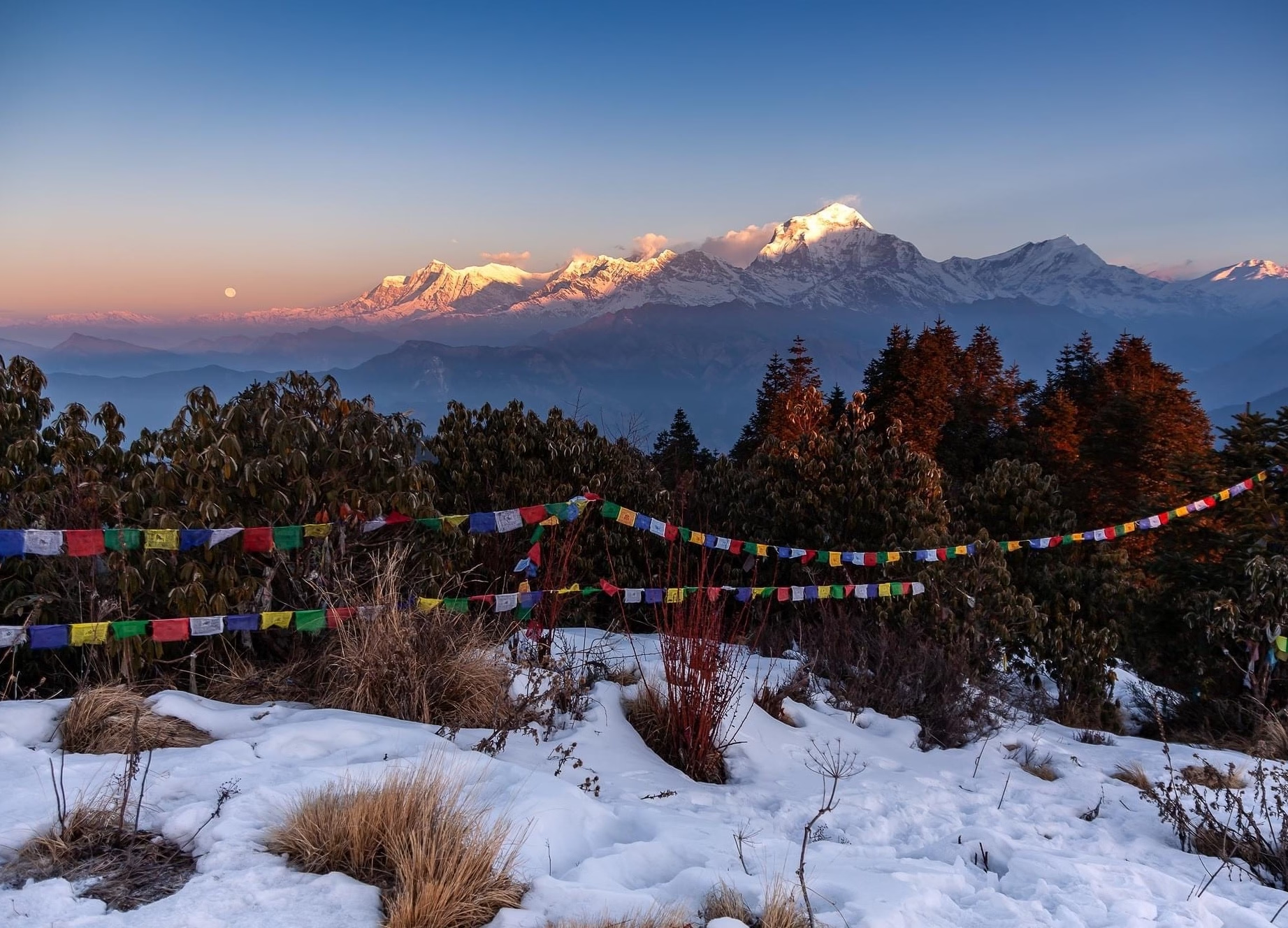
Honestly, the standard route can feel like a bit of a slog right out of the gate. So, why mash them together? Pacing is the real reason and you get a massive morale boost early on. Standing up there watching the sun hit Dhaulagiri makes the subsequent days of stone stairs way more bearable. Plus, your body genuinely thanks you for the warm-up. You're stretching your legs, breaking in those boots properly, and taking in some of the wildest mountain sunrises imaginable. Think about it. Do you want to hit the big altitudes totally raw, or do you want a rolling, spectacular prelude?
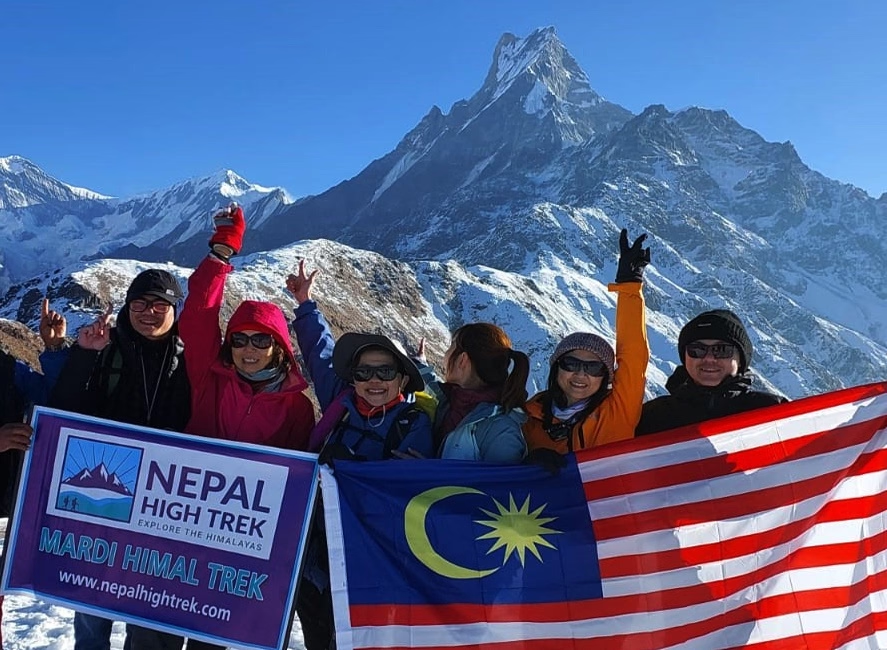
Well, another important note that you need to know that the Poon Hill is the center of the Annapurna region. In fact, Ghorepani Poon Hill Trek is the most popular short trekking route of Nepal. There are similar types of treks near this place like the Mohare Danda Trek, Mardi Himal Trek, and the Khopra Ridge Trek. If you are going the Annapurna Circuit Trek classical route, then you include Poon Hill in the itinerary. Therefore, this place is the heart of the region.
The Gradual Altitude Gain of the Poon Hill–ABC Route
Altitude sickness doesn't care how fit you are. It’s brutal. That said, swinging through Ghorepani first is a cheat code for acclimatization. You hit about 3,210 meters at Poon Hill, sleep a bit lower, and then drop down again before the long slog up the main sanctuary valley. Your red blood cells get a polite wake-up call rather than a screaming alarm. It’s science, but it feels like magic. When you finally push past 4,000 meters later on, you won't be gasping like a fish out of water. That early up-and-down motion completely tricks your body into adapting faster.
What Changes After Leaving the Poon Hill Trail?
The vibe shifts fast. One minute you're eating apple pie surrounded by dozens of casual hikers, and the next? Things get seriously rugged. The trail sheds that gentle, rolling feel and starts throwing sheer gorge walls at you. You drop down into dense, shadowy rhododendron woods where the air feels colder and older somehow. It’s quiet. Way too quiet sometimes. The massive crowds thin out. Now you’re entering the deep valleys where the mountains literally block out the sun by mid-afternoon, making the whole trek feel significantly more remote and wildly untamed compared to those breezy early days.
Ghorepani Poon Hill Trek: Poon Hill Trek 4 Days From Pokhara
View detailsSunrise at Poon Hill Before Entering the ABC Valley
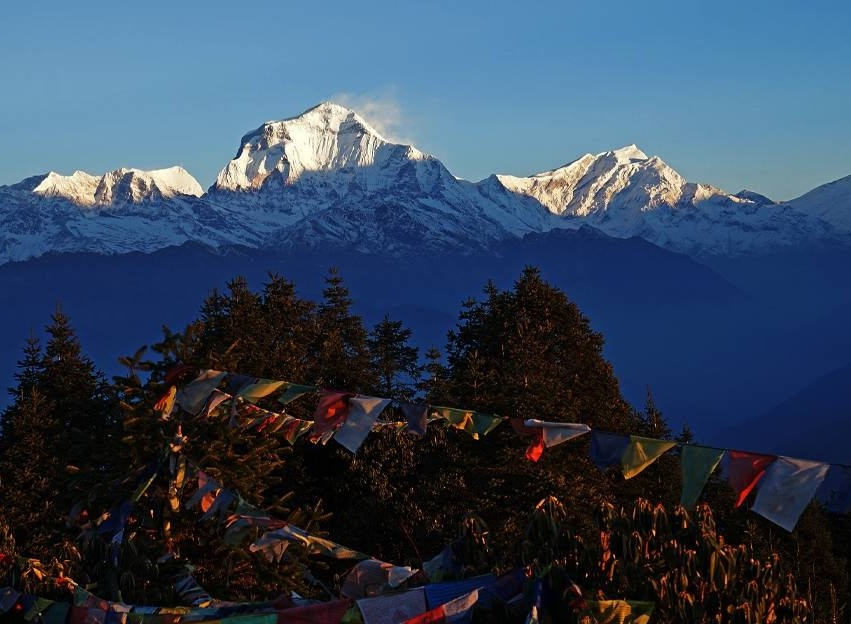
Getting out of a warm sleeping bag at 4 AM is pure torture. It is. But standing at the viewpoint with a hot cup of tea while the sun casually sets the entire Annapurna range on fire? Worth every shivering second. You see exactly where you’re heading in the days to come. That massive gap between the peaks? That’s your destination. We constantly hear folks on our Nepal High Trek groups say this single hour made the whole plane ticket worth it. Once the sun is fully up, you pack your bags and finally pivot toward the hidden sanctuary. Sunrise experience really lifts the Annapurna Base Camp via Poon Hill journey worth every penny spent.
The Less-Discussed Forest Section Between Tadapani and Chhomrong
Everyone talks about the big peaks. Nobody tells you about the spooky, gorgeous woods right after Tadapani. It’s a steep plunge into this impossibly green, damp world. Many species of rhododendron lit up the forests especially during spring season. The sunlight barely breaks through the thick leaves. It’s slippery. It’s muddy. And it completely shocks your system after the open ridgelines. By the time you finally pop out near the terraced farm fields of Gurjung, your knees will definitely be begging for a tea break.
Why Chhomrong Matters on the Way to Annapurna Base Camp?
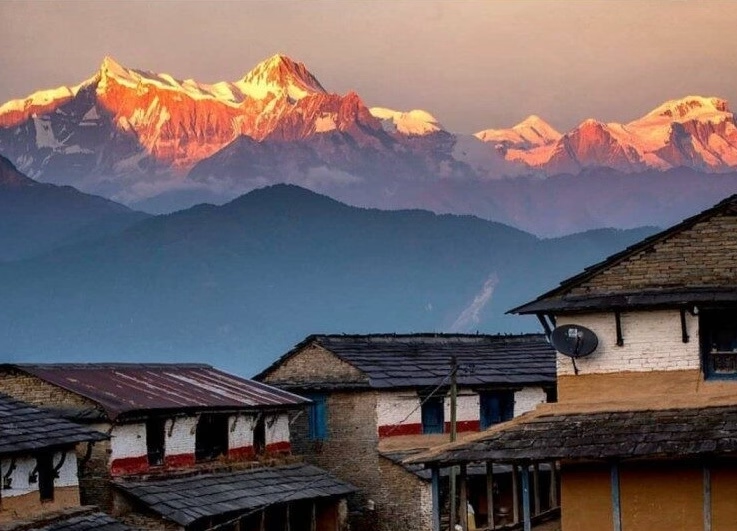
Chhomrong is the great divide. It’s the very last permanent Gurung settlement on the trail, sitting right on the edge of the deep gorge. Beyond this point, it’s just teahouses built strictly for us trekkers. You want to stock up on snacks here. Charge your batteries. Take a hot shower. Because after Chhomrong, things get remarkably basic. It’s a bottleneck village, meaning everyone heading up or coming down passes through its narrow stone alleys. You swap stories with people coming back down, eyeing their exhausted but ridiculously happy faces, suddenly realizing just how wild the next few days will be.
The Staircase Traverse Around Chhomrong
You’re going to hate these stairs. Truly. You walk all the way through the village, dropping relentlessly down a massive stone staircase right to a suspension bridge. It feels incredibly demoralizing to lose all that hard-earned altitude. Then, You cross the roaring river and immediately have to climb straight back up the other side to Sinuwa. Look, there’s no sugarcoating this section. It breaks people's spirits if they aren't mentally prepared for it. Just put your head down, take it one agonizing step at a time, and remember everybody else is suffering right there with you.
7 Days Annapurna Base Camp Trek
View detailsFollowing the Modi Khola into the Annapurna Sanctuary
Once you clear Sinuwa, you’re officially locked into the gorge. The Modi Khola river rages way down below, carving an impossibly tight path between Machhapuchhre and Hiunchuli. The sheer scale of the rock walls on either side is staggering. You’re essentially walking up a geographical funnel. The air gets noticeably thinner and crisper here. Sometimes the river is so loud you can’t even hear the person hiking right next to you. It’s raw, untamed power. As the gorge slowly widens out the higher you climb, you start realizing you are walking straight into the belly of the mountains.
How the Scenery Transforms from Poon Hill to ABC?
It’s kind of crazy how fast the environment changes. Poon Hill is all rolling hills, terraced farms, and wide-open horizons. But fast forward a few days? You’re navigating a narrow, claustrophobic canyon entirely choked with bamboo. Then, abruptly, the trees just stop. You cross the tree line and suddenly you’re in this alpine desert of scrub brush, ice, and shattered rocks. The contrast is mind-bending. You basically walk through four completely different climate zones in under a week. One day you’re sweating in a t-shirt, and the next you’re wearing every single layer you own to survive the wind.
Machhapuchhre Base Camp Before Annapurna Base Camp
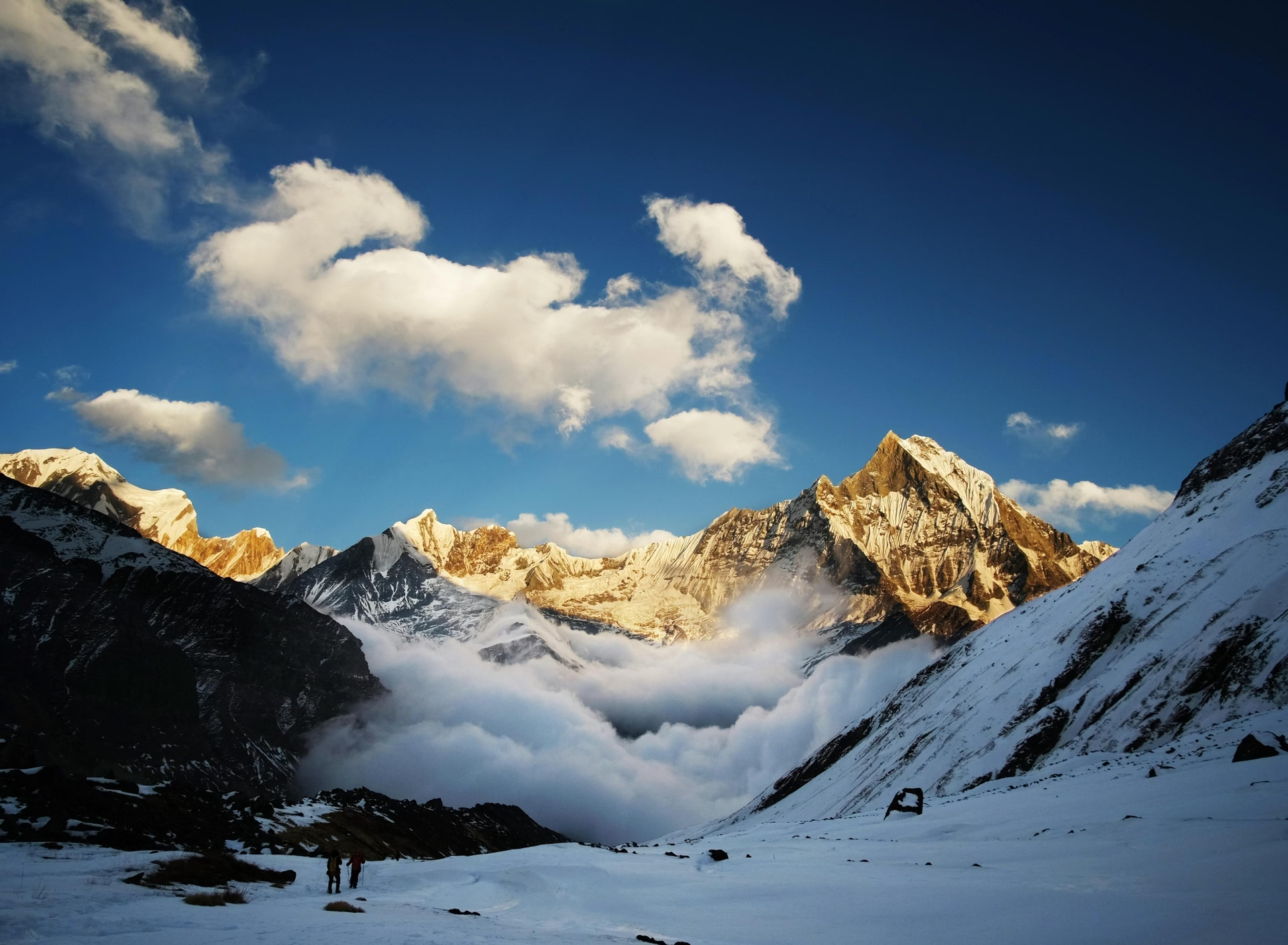
MBC isn't a real base camp anymore since climbing the sacred mountain is strictly banned. But wow, does it serve as an epic staging ground. You hit this spot and the narrow valley finally blows wide open. You are entirely surrounded by blindingly white peaks. It’s freezing up here, usually wildly windy, but you barely notice because the 360-degree views are that distracting. A lot of trekkers struggle with the altitude right around here. Drink hot garlic soup. Rest up. You only have a couple of hours of hiking left, and it is arguably the best walk of your life.
The moment you step out of the tea house in Machhapuchhre Base Camp, you start to feel anxious as you are nearing to the Annapurna Base Camp.
The Final Walk from MBC to Annapurna Base Camp
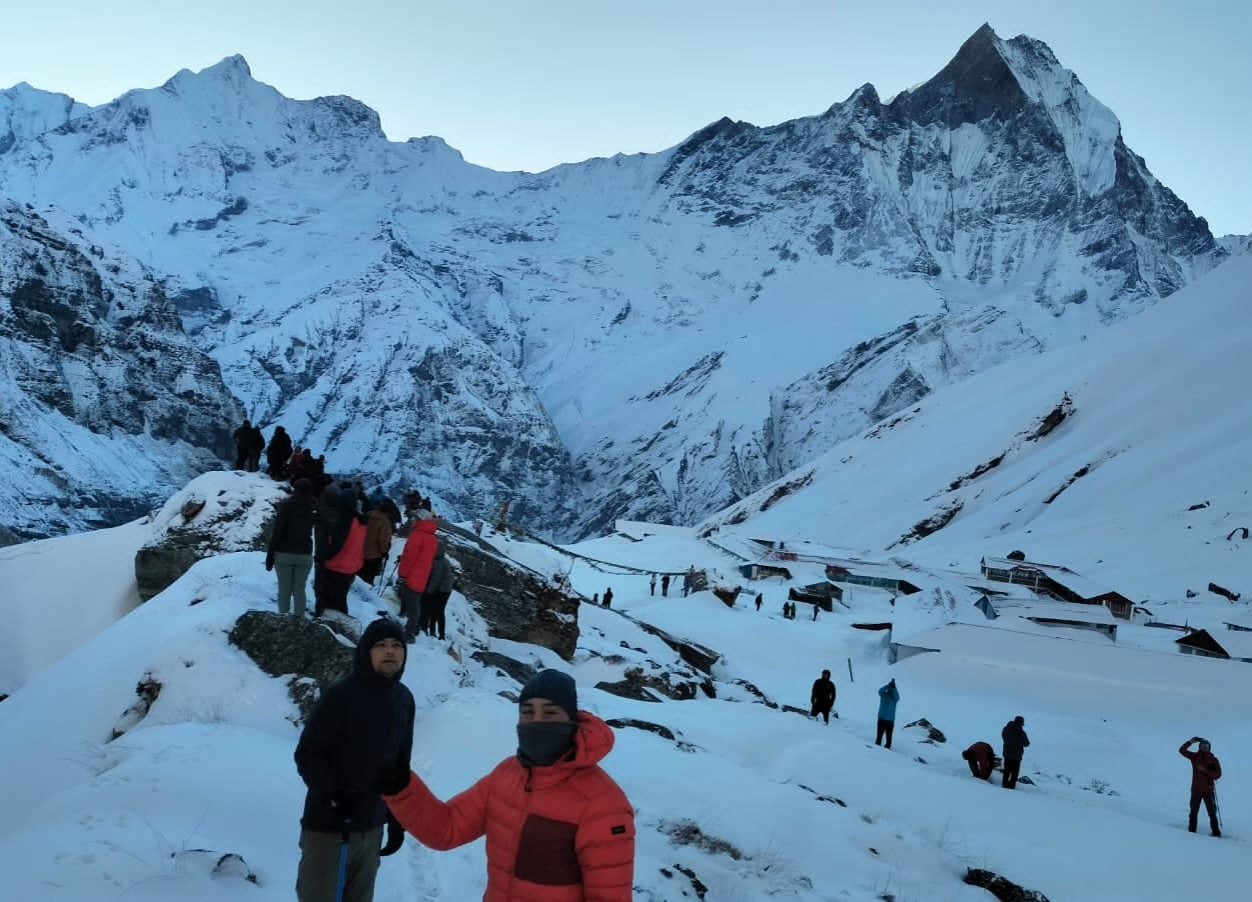
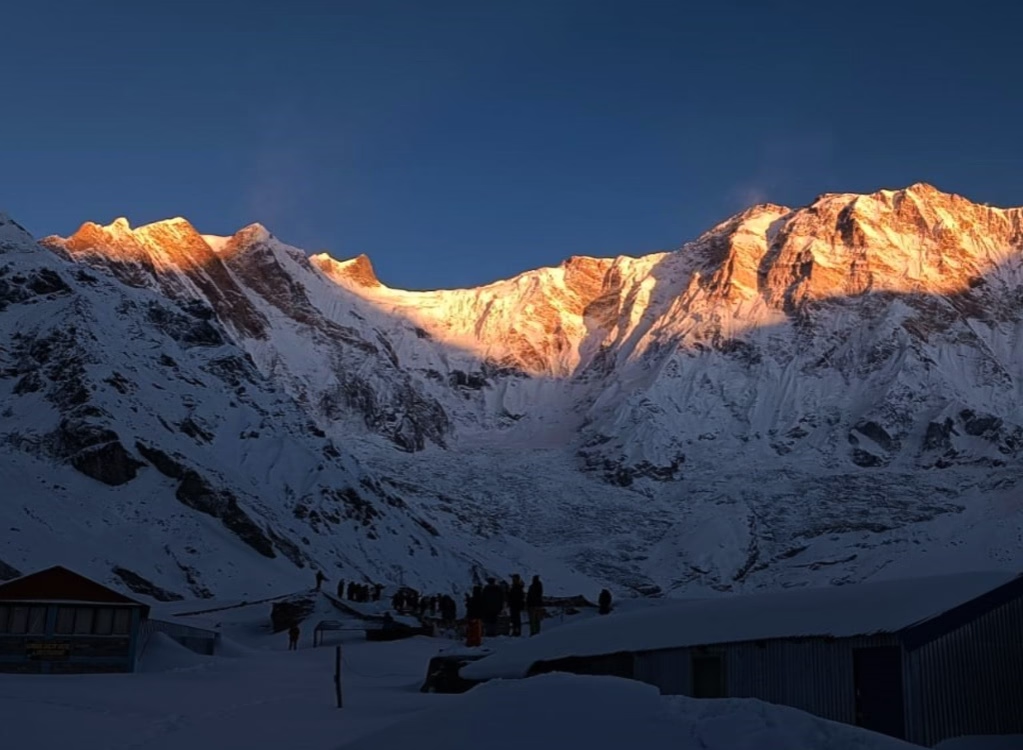
Those last two hours are pure magic. You’re walking through a wide, glacial basin where the vegetation is gone, replaced entirely by snow, ice, and massive boulders. It’s mostly a gentle uphill grade, but at 4,000 meters, every single step takes ridiculous effort. The air is so incredibly thin. But then you see the yellow roof of the base camp teahouse in the distance. The entire Annapurna massif towers right in front of your face in a giant amphitheater of rock and ice. It’s completely overwhelming. You just drop your bag, sit on a rock, and stare. The journey to the Annapurna Base Camp via Poon Hill starts to feel real here!
Mardi Himal Trek
View detailsHow Crowded Is the Poon Hill–ABC Combined Route?
It gets busy. In October and April, you’re basically joining a small, slow-moving army of international hikers. The trail up to Ghorepani is heavily trafficked because so many people just do the short loop. Once you split off toward Chhomrong, the casual walkers drop away, but the teahouses still pack out every night. You absolutely have to book ahead or travel with a solid crew like Nepal High Trek to guarantee a bed. But here's the thing—the shared misery and joy in the dining halls at night? That actually becomes the best part.
Frequently asked

Nepal High Trek
Travel writer and passionate explorer sharing stories and expert guides from the heart of the Himalaya.