
Sustainable Trekking in Nepal

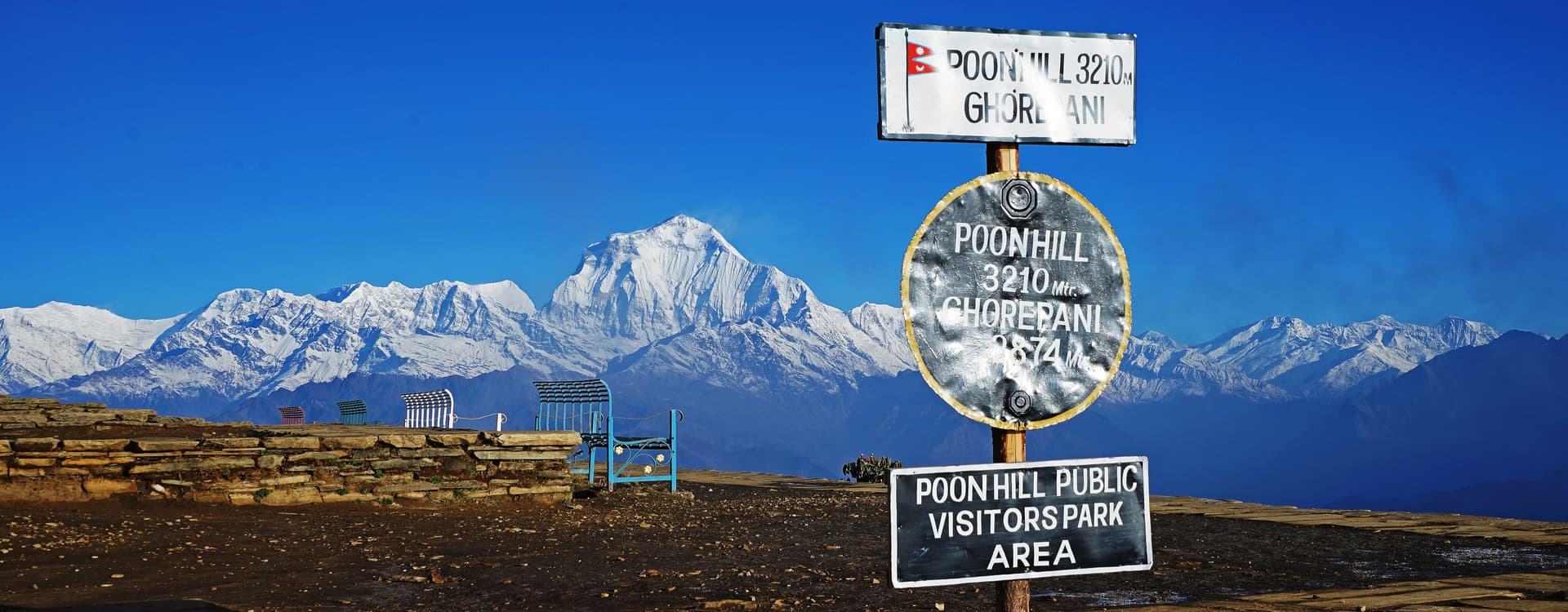
What’s there for future generations if we keep on abusing the natural resources in present ? Human beings are selfish by nature and love to live in present! Many of our activities are slowly degrading the overall health of Mother Earth! The countries like Nepal are affecting a lot due to these environment degrading practices of the world! Our major source of national income is tourism especially trekking and peak climbing. If it is not managed properly, then we may encounter grave situations in future. Therefore, the debate of sustainable trekking in Nepal is louder than ever! Come let’s raise our voices to promote activities that ensure responsible trekking in Nepal.
As a tourism entrepreneurs and people that depend on it, we must be sincere in preserving the natural resources. The word sustainable tourism is heating up in the international debate platforms too. Lots of high caliber international organizations are advocating the need of sustainability. However, the words are not converted in action diligently.
The Urgency of Sustainable Tourism: Changing Face of Himalayan Trails
The face of our mountains is changing every year and climate has become unpredictable every year. Majority of these outcomes are not done by us rather by the world! Actions of others are forcing us to suffer heavily. Therefore, it is high time for us to speak loudly.
While preparing this sustainable trekking in Nepal blog, this blogger talked a lot with the local trekking guides of the Nepal High Trek. They shared that the face of Himalayan trails has changed dramatically. The trail that used to have snow has vanished. The rugged boulders and barren fields dominate majority of trail sections especially in the higher elevation places.
Nowadays, you may not find the exact climatic and weather conditions as mentioned according to seasons. Normally, September is the first month of Autumn season which is not supposed to experience heavy rainfall. It’s been around 2 to 3 years that the month of September feels like monsoon time. All these unusual changes are due to climate change! So, the urgency of sustainable tourism practices is high now than ever.
What Is Sustainable and Eco-Friendly Trekking?
The way of traveling where you protect nature, respect local traditions, and contribute regional economies is the sustainable and eco-friendly trekking. Besides these aspects, the concept of sustainable trekking is also the method of being fair and transparent to all especially local trekking guides and porters. You must hire a licensed trekking guide and porter. These trekking crew members must be paid fairly according to the policy of Nepal Government.
Walking in a designated path without wandering off the trail and respecting the local heritages are also the part of sustainable trekking practices. Similarly, preserving water, reducing waste, and using less carbon emitting activities or tools are also part of the sustainable trekking practices. All these contribute to maintain the environment intact for our future generations!

Why Nepal’s Ecosystems Need Responsible Hikers?
Yes, the country is smaller than many countries in the world in terms of geography! Remember that the country has diverse and volatile ecosystems. The country stretches from 60 m above sea level to 8848.86 m above sea level. Each region has its own unique vegetation, wildlife, and landscapes. It’s connected to each other! If one region experiences faults, then entire ecosystem falls. Moreover, Nepal is one of the few countries which is helping to fight against the effects of climate change or ozone layer depletion. Our carbon emission rate is way fewer than others.
Disturbed wildlife, soil erosion due to unmanaged trails, deforestation to build touristic facilities, heavy plastic pollution in higher elevation places is piling up pressure to Nepalese ecosystem. Therefore, we need responsible hikers who respect our natural resources and empathize our condition!
Your Role in Preserving Mountain Environments
We talk about preserving mountain environments and advocate loudly in different social media platforms. Once we visit the mountainous regions or trekking trails of Nepal, we forget all these morals. Therefore, the blogger wishes to remind you about your roles in preserving mountain environment.
I have listed out the following activities that you can do to maintain sustainable trekking in Nepal.
Carry out all non-biodegradable waste
Avoid single-use plastics
Refill reusable water bottles
Stay on designated trekking trails
Respect local wildlife and habitats
Never litter along the route
Use eco-friendly toiletries
Minimize campfire use
Support eco-conscious trekking companies like Nepal High Trek
Choose locally owned tea houses
Follow Leave No Trace principles
Dispose of waste responsibly
Reduce water consumption
Conserve electricity in tea houses
Avoid disturbing plants and flowers
Respect protected conservation areas and national parks
Do not feed wild animals
Keep noise levels low in nature
Use reusable food containers and utensils
Pack light to reduce transport emissions
Hire licensed local guides and porters
Respect local culture and traditions
Purchase locally made products
Participate in trail clean-up initiatives
Avoid collecting natural souvenirs like wildflowers
Environmental Impacts of Mass Tourism
Mass tourism is both boon and curse for Nepal. The national economy largely depends upon the arrival of tourists in Nepal. Large number of shares in the Gross Domestic Product (GDP) comes from tourism industry. However, it has become curse to our environment too! Therefore, the idea of becoming a responsible hiker and a responsible travel operator must be known to all. Trekking companies must follow eco-friendly practices while operating treks in Nepal. Similarly, trekkers should also follow responsible practices.
Quality of life has increased drastically among people living around the trekking trails of Nepal. It’s a positive impact but has raised the concern of negative impact on natural resources. Deforestation has become the hottest topic while talking about the environmental impacts of mass tourism. People are constructing lots of establishments to support trekkers in the trail. These actions must be regulated. The rule of tree plantations after cutting down old trees must be implemented strictly. Furthermore, the use of plastic products especially in the higher elevation places must be discouraged. Plastic pollution is the biggest concern, especially in the trekking trails of Nepal. Let's get more info about the Everest Base Camp Trek !

Everest Base Camp Trek: Leave Your Footprint at the World’s Tallest Base Camp
View detailsTrail Erosion and Unmanaged Infrastructure: Road construction in Nepalese Hills
If you visit hilly areas of Nepal, you will see lots of newly constructed dirt tracks. Some of these tracks are the result of unplanned construction works done by the local government. The need of proper accessibility infrastructures in the remote areas of Nepal is real. However, it must be regulated and managed with view to protect environment. The magnitude of damage due to landslides and floods has increased over the years due to unmanaged infrastructures. Majority of accidents are happening in Nepalese hills due to unmanaged road construction drives.
Note down that the trail erosion and these unmanaged infrastructures are threating the wildlife and vegetation. The stories shared about wildlife and vegetation by our grandfathers are no longer in reality. Unfortunately, if the trend continues the stories may become myth in later years for our future generations.
.avif)
Cultural Preservation and Respectful Travel
Another biggest factor that you must consider for sustainable trekking in Nepal is the cultural preservation. Similarly, there is also a need for respectful travel. Always respect the locals of the host destination. Respect the historical and centuries old monasteries and Hindu sites of the trail. Maintain proper decorum from dress code to activities. The trekking trails of Nepal are not only about rivers, mountains, glaciers, and valleys. In fact, it is also about people’s rich cultural heritages like chortens, temples, monasteries, prayer flags, mane wheels, etc.
Taking pictures during trekking is normal. However, you must maintain proper photography etiquette in rural villages of Nepal. Ask for permission before clicking pictures. Some areas of these trails strictly prohibit others to take pictures due to religious reasons. Normally, Nepalese people don’t mind about these trivial matters but asking permission from them shows your respect towards them.
Dress code matters a lot especially during your visit in the rural villages. Revealing and short clothes are not considered appropriate in certain parts of Nepal but it is not brutally prohibited. Laws don’t prohibit but traditional values do! Therefore, refrain from harming the sentiments of locals by wearing inappropriate clothes during the trek.
Managing Waste on the Trail with Golden Rule: Leave No Trace
The environmental toll of bottled water in the mountains is very high. Nowadays, lots of trekking companies, authorities, and locals are teaming up to reduce plastic wastages in the trails of Nepal. Carrying loads in higher elevation places is harder. Therefore, trekking groups prefer plastic materials to reduce weight but the very action is increasing pollution. Reusable water bottles and hydration bladders are highly useful for trekkers. Use UV sterilization, purification tablets, and hollow fiber filters to drink water instead of bottled water.
Proper disposal of organic and biohazardous waste is imminent. Carry your wastes back to the trail head or dispose in the designated places. The responsible trekking company like the Nepal High Trek always provides disposable garbage bags to its trekking crew members! One of the members is responsible to ensure proper eco-friendly practices during the trek. If you have a dream to discover the isolated land of Nepal, let's leave your footprint to the Manaslu region.

Manaslu Circuit Trek
View detailsEnergy Consumption at High Altitude
Make sure to conserve electricity for device charging. Use alternative methods to charge your devices. For example, carrying solar charger or high-capacity power bank before entering higher elevation places is highly recommended. Authorities are subsidizing the locals on solar power usage but in some places there’s no alternative to wood fuel. So, it is wise to minimize the use of natural woods. Therefore, conservation areas and national parks have provision of wood bank in coordination with locals.
Hot showers are necessary but try to avoid as much as possible especially in the higher elevation places. The impact of hot showers on mountain forests is very high which may not seem severe from outside.
Supporting the Local Economy Ethically
Finally, the third method of sustainable trekking is contributing the regional economies. Contribute fairly and ethically to uplift the life standards of local communities. The part of the sustainable trekking is also connecting with the locals in their needs. Enjoy the wonders of Mother Nature and grandeur of the local culture but also give back something to these people. Make sure that you are not hurting the emotions and self - dignity of the locals while helping them. Therefore, ethical support must be practiced instead of sympathetic short - term gestures.
How to support locals during trekking in Nepal to maintain sustainability?
Attitude is the most important asset of any person. Therefore, you must have positive attitude and kind mindset to help others. There mustn’t be hidden aim while helping others! Choose locally owned lodges and restaurants as far as possible while trekking. It helps them to improve their life standards and also help them maintain the trail as locals. Buy authentic handcrafted souvenirs instead of mass - produced imports or factory produced souvenirs. Promote locally made products.
Have ever considered about educational donations? There’s a fresh debate in the tourism scene of Nepal about the trend of books vs handing out candy by tourists. Refrain from handing out candies during the trek. Bring your used books or buy educational materials to distribute among locals living in the trail. Beware or distributing books or pamphlets with political agendas, religious promotions, and unrelated subjects that harm Nepalese policies, traditions, and cultures.
.avif)
How to Identify Ethical Trekking Agencies in Nepal?
Look, planning a trek into the Himalayas is pure magic, but let’s be completely real for a second: the mountain tourism industry has a massive human problem.
Behind every breathless photo of Everest, Annapurna, Manaslu, Lantang, Mustang or, there's a crew of local guides and porters making that dream actually happen. And unfortunately, a lot of budget agencies build their entire business model on pushing those crews to the limit. They cut costs by underpaying staff, loading them up like pack mules, and leaving them to fend for themselves if they freeze or break an ankle at high altitude.
If you want to make sure your money supports the local community instead of exploiting it, you have to look past the shiny websites. Here is how to spot the operators who actually do right by their people and the trails.
1. Ask About the Porters First, Not the Itinerary
Porters literally carry the entire trek on their backs. When you’re chatting with an agency, skip the fluff and get straight to how they treat their support crew. The maximum weight a porter carries is around 22 to 25 kilograms. Check the gears used by porter and guides during the trek.
2. If the Price Feels Like a Steal, Someone Else Is Paying for It
We all love a bargain, but dirt-cheap treks are a massive red flag. If a 12-day mountain trek costs next to nothing, guess where that discount comes from? It comes directly out of the guide's paycheck, the porter's food budget, and dropped insurance policies. Please check the includes & excludes section and inquire with the travel planners of the company.
Sometimes, you may miss out on the best price simply thinking that reasonable prices may have hidden motives! Expert trekking planners and ethical trekking company don’t charge their clients astronomically! Smaller profit margin but fair distribution of revenue on salary, accommodation, and logistics is possible.

7 Days Annapurna Base Camp Trek
View details3. Look for Local Roots and Inclusive Hiring
Try to book with agencies owned and operated locally. It keeps the money right in the mountain villages where it belongs, rather than flowing out to overseas parent companies. Therefore, look the companies that hire local crew members. There are few trekking companies in Nepal that genuinely train and employ locals from the trekking destination. These actions help to maintain sustainable tourism practices that benefit the locals too!
Also, keep an eye out for agencies making a point to train and hire female guides and porters. The outdoor industry in the region has been male-dominated for generations, so supporting companies that actively empower local women creates real, lasting social change.
4. Check legal credentials
Nepal has strict rule about trekking company registration. Basic credentials are the certificates of registration from Nepal Tourism Board, Company Registration Department, TAX or VAT Registration Department, and Nepal Bank Registration for Foreign Currency Transactions. Besides these certificates, check out the affiliations of the company. Conservation areas, sustainable tourism authorities, and various touristic to environmental affiliations must be checked.
5. Inquire about Corporate Social Responsibilities of Company & Check them
Some trekking companies only work for profits! So, you must check their overall vibes and working philosophy. Ask your trekking company whether they are into social works or not. The ethical trekking company always prioritize fair salary, wages, working environment, and gears to its staff. Similarly, the ethical company looks after the overall well being of its staff and locals from the remote areas. Check the corporate social responsibilities done by the company. Normally, these activities are listed in the official website of the company. If the company doesn’t have effective CSR activities, then it’s a red flag!
.avif)
Spreading Tourism Revenue Beyond Mainstream Trails
Reducing strain on overcrowded Annapurna and Everest routes can also help maintain sustainable trekking in Nepal. Therefore, it is best for all parties to promote trekking routes beyond commercial lists. Discover community - based tourism initiatives to maintain this type of activities. For example, you can book the Mohare Danda Trek or the Khopra Ridge Trek in the Annapurna region for short trek instead of crowded Ghorepani Poon Hill Trek. The Mohare Danda Trek is purely a community trekking trail where locals run the tea houses or lodges in home stay style in their own backyard.
If we become successful in spreading tourism revenue beyond mainstream trails, then we can surely say that sustainable trekking in Nepal can be institutionalized. Activities will not be clustered in few trekking trails. Overcrowd is also one of the reasons of environmental pollution especially in the higher elevation places.
Volunteering and Giving Back Responsibly: Pitfalls of Unregulated Voluntourism
Unregulated voluntourism has more harm than gains! Volunteer trekking style helps the community but it must be regulated and must have proper objectives. Helping for few photos and stories may not help in the longer run or it may not benefit the locals. Participate in any kinds of state run or private run initiatives that help locals to improve their skills and knowledge. Making locals or underprivileged communities living around the trekking trails independent can truly help to achieve sustainable trekking goals in Nepal. Let's find with us volunteering trips with us and contribute to local peple and tourism. Here are the most beautiful and suitable treks for all age groups like Mardi Himal Trek, Ghorepani Poon Hill Trek, Annapurna Base Camp Trek, Annapurna Circuit Trek, Langtang Trek, Tsum Valley Manaslu Circuit Trek, Three High Passes Trek, Gokyo Lake Trek, Everest View Trek and many more treks.

Langtang Valley Trek
View detailsJoin Nepal High Trek CSR programs: Long-Term Community Support Initiatives
From the day one of the company establishment, the Nepal High Trek is genuinely into helping individuals and communities in need. A small effort from a single company may not produce large outcomes but it certainly helps certain communities. Therefore, the company supports in education and health of the lower wages’ tourism workers like porters. The agency allocates 10 % to 15 % of their annual income for corporate social responsibility programs. A chunk of these funds go on the education of children of these tourism workers. It supports sustainability as education to these underprivileged children paves way for their living in future.
Becoming a Responsible Trekker
Leave the trekking trails in better condition than you found them! It must be the pledge for sustainable Himalayan travel. Please follow the things that are mentioned in this blog regarding your actions to become a responsible hiker or trekker. Help us to create an environment where our future generations can also capitalize and earn revenue! Assist us to maintain the beauty and spirituality – authenticity of our natural and cultural heritages.
Through this blog, the Nepal High Trek would like to pledge that it continues to work on sustainable and responsible tourism practices in its travel itineraries. Every year, we will sharpen our methods of trek operation. Flexible itineraries, affordable prices, honest eco-friendly methods, and continuous support to local communities are our biggest strengths. We vow to continue it or upgrade it further!

Nepal High Trek
Travel writer and passionate explorer sharing stories and expert guides from the heart of the Himalaya.