
Top 15 Trekking Routes of Nepal
.avif&w=96&q=75)
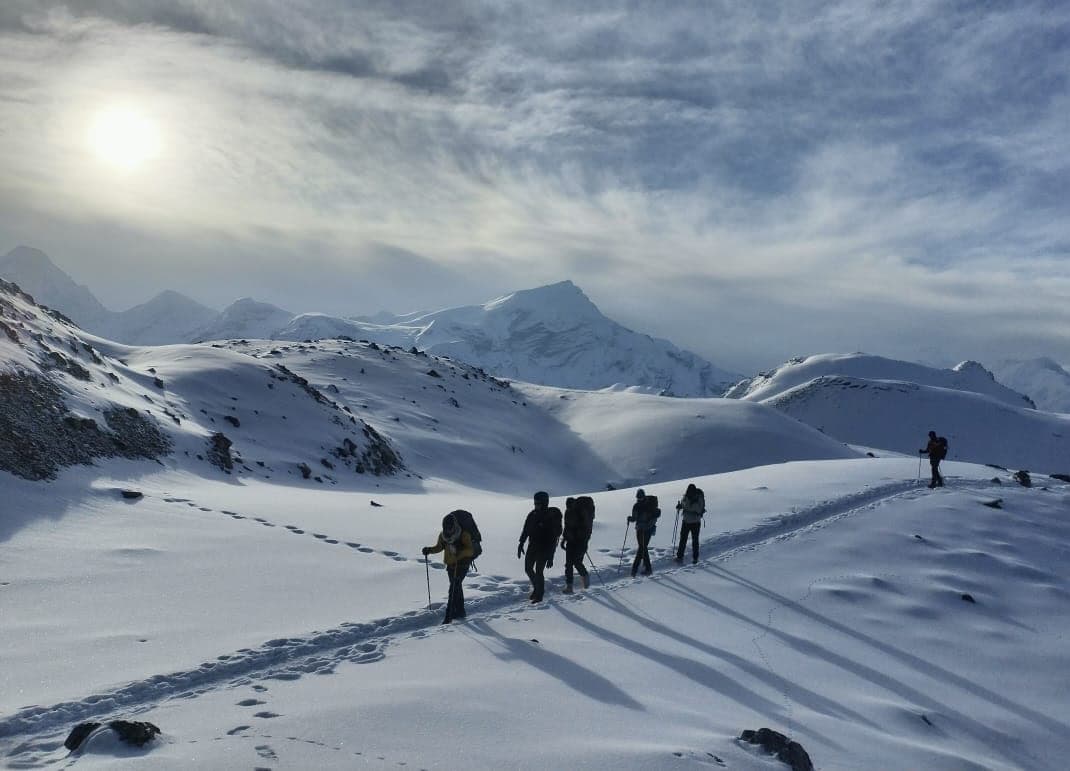
Walking has become the cornerstone activity to do in Nepal. Yes, countless mountain trails have made Nepal the number one destination for trekking activities. In fact, wherever you decide to walk can surely become a trail. A simple trail leading to the top of the village or any ridge can become an enticing route to walk. However, commercial trekking industry doesn’t run like this. You need touristic amenities to support hassle – free walking journeys. It is fundamental for tourism development. For this, Nepal has many regions where you can find many trekking routes as commercial routes. Today’s blog is about selecting the top 15 trekking routes of Nepal. We present you the best of the best from the list of countless trekking routes of different regions of Nepal.
You may wonder why the blogger is writing only about the top 15 trekking routes of Nepal. Please note that the blog is to give you information about the trails where you may find better trekking experiences than others. However, the choice rests always in your heart. If you wish to find out the complete information or guide about Nepal Trekking, then you can check our blogs or simply surf the main page. The Nepal High Trek has always advocated and worked on sustainable tourism in Nepal. The industry is the pillar of national economy! So, the agency has tried to accommodate almost all regions of Nepal. Moreover, we have also a team of researcher who continuously roam around Nepal to find out prospective new trekking route.
As for today’s blog, let’s be practical and find out about cream of the lot! Trekking in these to 15 trekking routes of Nepal can surely give you immense satisfaction, mental healing, soul searching, and enchanting experiences.

Everest Base Camp Trek: Leave Your Footprint at the World’s Tallest Base Camp
View detailsWhy Nepal is the World's Best Trekking Destination?
Do you know the main purpose of trekking? Why do people categorize walking activities into strolling, hiking, and trekking? The answer is simple! The activity of trekking is the highest form of walking events much more adventurous and longer than strolling and hiking. Generally, morning walks and gentle walk in a park are strolling activities. Hiking refers to short trail walking usually for less than 24 hours where hikers don’t spend night in the destination. However, trekking is different. It traverses through diverse landscapes, altitudes, and needs multiple days.
Coming back to the main question about Nepal being the world’s best trekking destination, it’s simply because of diversity! Unlike many trekking destinations of the world, Nepal gives you natural and cultural diversity. In a single trekking journey, one can meet multi – ethnic people, diverse vegetation, mountains, and diverse landscapes. Nowhere in the world will you find such a marvelous place where nature is at its best and culture is at its peak. Spirituality, myths, legends, mountains, and history converge to provide amazing holiday experiences.
How We Selected the Best Trekking Routes in Nepal?
If you are a regular reader of our blogs, then you know that our blogs are not created in an office. These blogs are written after deep conversation with our experienced trekking guides, locals, and travel experts. We guarantee authenticity in all information that we share in our blogs. Therefore, it is important to follow the same trend for this blog. Our team of travel planners, trekking guides, and experts selected top 15 trekking routes of Nepal. Overall trekking experiences, natural attractions, cultural attractions, availability of touristic amenities, historical significances, accessibility, level of adventures, mountain vista, and return on travel investment are major factors that we considered while selecting the best trekking routes in Nepal.

What Makes Trekking in Nepal So Special?
From budget to natural – cultural attractions, Nepal offers all kinds of wonders! Besides all these attractions, it is the heart of the people that makes trekking in Nepal special. Even a commercial trekking route gives you vibe of authentic raw emotions. There’s no plastic or tourist tailormade things. Whatever things you see or wherever you go, you can surely get connected either with people or with the place. Lots of stories are on internet about people vowing to come repeatedly to Nepal. Therefore, you can say that trekking in Nepal is so special due to its authenticity, simplicity, hospitality, and natural – cultural wonders.
Different Types of Trekking Routes in Nepal
Plethora of trekking routes with different characteristics are present in Nepal. One can find shorter trekking routes to long detours. The trail that traverses through authentic villages to the trail that passes through high – mountain passes. The forest trail to the hunting reserve and along the banks of glacial river to grassy meadows ridgeline.

Manaslu Circuit Trek
View detailsTea House Trekking vs Camping Trekking
Nowadays, majority of trekking routes of Nepal are complete commercial where you can find basic to luxury amenities to support trekkers. Therefore, the option of camping is not highly recommended. Ironically, some trekking routes are still underrated and trekkers may have to use tented or camping accommodation. The idea of trekking in camping sounds adventurous but it may not be safe. Since there are enough tea houses in majority of trekking routes, you can choose the tea house trekking.
Popular Trekking Regions of Nepal
Please note down that Nepal has many trekking regions even if it is a tiny Himalayan nation. As mentioned above, we have handpicked the top 15 trekking routes of Nepal from the popular trekking regions. Everest, Annapurna, Langtang, and Manaslu are popular trekking regions of Nepal. Slowly, some of the underrated regions are also getting lots of attention from trekkers from across the globe. For example, Kanchenjunga region and Far West region of Nepal are also slowly getting lots of attentions. In fact, Far West region is being promoted by the recently elected government of Nepal. No wonder, lots of touristic facilities are rapidly building in the Api Saipal trekking routes. So, the future of Nepal trekking may shift to these places too.

Best National Parks and Conservation Areas for Trekking in Nepal
Trails of Nepal mostly traverse through conservation areas and national parks. The country has become a role model in conserving vegetation and wildlife through its serious community led efforts of conservation. National parks are protected by Nepal Army in coordination with the local communities. Therefore, people’s participation has helped a lot in these conservation efforts. We recommend you to get permits before trekking to support in this cause.
Best national parks and conservation areas for trekking in Nepal are Sagarmatha National Park and Langtang National Park. Similarly, major conservation areas for trekking in Nepal are Annapurna Conservation Area, Manaslu Conservation Area, Kanchenjunga Conservation Area, etc.
Nepal Trekking Difficulty Levels
Well, the difficulty level of trekking in Nepalese trekking routes differs from trail to trail. Therefore, you can’t absolutely say that trekking in Nepal is easy or difficult. In fact, it depends upon where you trek. Travelers can find easy family friendly treks to challenging high – altitude adventurous treks. Moderate treks are also available. Even if the trek is easy graded, you must prepare well for trekking in Nepal. Note down that average walking hours in a day during the trek ranges from 6 to 7 hours. Uphill – downhill sections demand a lot from trekkers.
If you have good physical fitness and sound cardio – vascular abilities, then you can surely complete easy to moderate treks in Nepal. Challenging and difficult high – altitude treks like the Everest Three High Passes Trek require more than physical fitness. You must plan in an advance and must book the trek with reliable trekking company like the Nepal High Trek. Talk with its travel planners and prepare well to defy difficulty level of trekking in Nepal.

5 Days Annapurna Base Camp Trek
View detailsTop 15 Trekking Routes of Nepal
Check out these top 15 trekking routes of Nepal. Besides these trails, there are other fantastic routes to trek but these are on different level. The blogger insisted in keeping these treks in the list due to the availability of amenities for trekkers. Modern trekkers prefer to experience adventure during the walk but they wish to have warm and comfortable place to spend overnight. Similarly, they also wish to have hearty and healthy meals. Furthermore, they also wish to have different utilities like communication, internet, hot showers, etc. Keeping all these in mind, the blog features top 15 trekking routes of Nepal.
I have briefly introduced the list of these treks in Nepal. If you wish to know in detail about these treks, you can surf through our website and learn more about it. There are fixed departure dates, detailed itinerary, costs, terms, and conditions published in the Nepal High Trek website.

1. Everest Base Camp Trek
If you want iconic, this is it. You follow in the footsteps of mountaineering legends, hiking through Sherpa villages like Namche Bazaar before standing at the foot of the world's highest peak. The altitude gets tough, but looking up at Kala Patthar and the Khumbu Glacier makes every single step worth the effort. Furthermore, exploring Everest Base Camp surely provides goosebumps and iconic moment for you to cherish lifelong. There are different ways to do this epic trekking trip in Nepal. From luxury Everest Base Camp Trek with Helicopter Return to adventurous Island Peak Climbing with EBC Trek. The choices are abundant for this trek.
2. Annapurna Base Camp Trek
Walking straight into a high-mountain amphitheater feels unreal. This trail takes you from sub-tropical terraced fields up into an icy basin completely enclosed by 7,000-meter giants. It’s shorter and less brutal on the lungs than Everest, but the sheer scale of the Annapurna Massif right in your face is hard to beat. Long staircase trail may be hard for some but it is manageable. Choose the short Annapurna Base Camp Trek if you don’t want to add Poon Hill section or you can also do the regular ABC Trek with Poon Hill. Shorter itineraries start from 5 Days Annapurna Base Camp Trek to 8 Days Annapurna Base Camp Trek.
.avif)
Annapurna Circuit Trek 12 Days
View details3. Annapurna Circuit Trek
This is the classic Himalayan journey. You basically walk around an entire mountain range, watching the landscape shift from green jungle to arid, Tibetan-style plateaus. Crossing Thorong La Pass at 5,416 meters will test your legs and your lungs, but dropping down to the sacred temples of Muktinath afterward makes for an unforgettable journey. Interestingly, the face of the trekking trail has slightly changed over the years. The construction of roads has changed its course and distance. Therefore, you can also choose different itineraries from modern shorter format to classical trekking itinerary. The Annapurna Circuit Trek route combines the popular treks to Nar Phu Valley and Tilicho Lake and Upper Mustang Trek too
4. Manaslu Circuit Trek
Want big mountain views without the massive crowds? Manaslu is the answer. Circling the world’s eighth highest peak, this restricted-area route offers raw wilderness, ancient Buddhist culture, and genuine remote lodge stays. Crossing the snowy Larkya La Pass 5106m is tough work, but you get unspoiled scenery you simply won't find on busier trails. Explore Tsum and Nubri people’s villages and leave your footprints at the base camp of the world’s 8th tallest mountain, Mt. Manaslu (8163 m). The popularity of the trek is slowly rising among travelers from across the globe. Despite the latest addition of the trek in the list of the commercial trails of Nepal, it offers raw mountain vibes to trekkers. Monasteries, mystical valleys, and serene mountains make it the most spiritual and deserving trekking route of Nepal. No wonder, the number of trekkers walking in the trail has been rising season after season. Manaaslu Circuit Trek is a restricted and less crowded destination in Nepal.
.avif)
5. Langtang Valley Trek
Located just north of Kathmandu, Langtang gives you massive glacial views without weeks of travel. You hike along rushing rivers and through Tamang villages rebuilt with incredible resilience after the 2015 earthquake. Climbing Kyanjin Ri or Tserko Ri delivers panoramic peak views that easily rival the more famous regions. If you are planning to trek with your family members, then it is an ideal choice. Longer adventurous itinerary that includes Yala Peak Climbing to 5 Days Langtang Valley Short Trek activities are possible in this trail. With the diversity, the trail offers a unique perspective of mountains and people, especially the Tamang ethnic community. The Langtang Valley Trek with Yala Peak Climbing would be a perfect trip for those who want to experience of climbing in Nepal.

Short Langtang Trek 5 Days
View details6. Mardi Himal Trek
If you want quick, dramatic ridge walking, head here. Mardi Himal flies along a narrow spine straight toward the sharp, sacred peak of Machhapuchhre (Fishtail). It stays relatively quiet compared to nearby Annapurna Base Camp, making it ideal if you only have a few days but still want high-altitude thrills. The cascading hills and grassy meadows ridge including serene forests provide classy moderate trekking experiences with beautiful mountain vista. Multiple itinerary options are also available for this amazing alternative trekking trail of the Annapurna region.
7. Upper Mustang Trek
Stepping into Upper Mustang feels like entering a different world entirely. Tucked away in the rain shadow near Tibet, this former forbidden kingdom features wind-sculpted red cliffs, ancient sky caves, and the walled city of Lo Manthang. It stays dry even during monsoon, offering a rare look at preserved Buddhist culture. Nepal Government has changed the permit system of this area recently. 50 $ per day per person rule has seen a significant increase in the number of trekkers. Besides trekking, travelers can also choose to trek and return by jeep drive due to availability of road up to Tibetan border via Lomanthang.
8. Ghorepani Poon Hill Trek
Short on time or new to high-altitude hiking? Poon Hill is your best bet. You spend a couple of days walking through thick rhododendron forests and traditional Gurung hamlets before catching the legendary sunrise over the Annapurna and Dhaulagiri ranges. It’s low-stress, beautiful, and easily doable in three to four days. The best weekend trekking trail of Nepal is definitely the Ghorepani Poon Hill Trek.
9. Gokyo Lakes Trek
For many hikers, this route actually beats standard Everest Base Camp. You dodge the main crowds by veering off toward six shimmering turquoise glacial lakes sitting above 4,700 meters. Climbing Gokyo Ri gives you a jaw-dropping view of four 8,000-meter peaks at once, including Everest, Lhotse, Makalu, and Cho Oyu. Goko Lakes makes you feel of paradise and adventure vibes too.

10. Everest Three Passes Trek
This is the ultimate Khumbu adventure for experienced trekkers. You cross three brutal high passes, Renjo La, Cho La, and Kongma La, all sitting above 5,300 meters. It links up the Gokyo Valley, Everest Base Camp, and Imja Valley into one exhausting, mind-blowing loop with non-stop views of the highest mountains on Earth. If you love challenges and wish to experience mini – mountaineering feelings, then choose the Everest Three High Passes Trek in Nepal. The journey surely gives you the real taste of higher elevation places of Khumbu, the home of Mount Everest.

7 Days Annapurna Base Camp Trek
View details11. Kanchenjunga Circuit Trek
Far in eastern Nepal sits Kanchenjunga, the world's third highest mountain. Trekking here requires time, a solid budget, and serious endurance. You navigate deep wilderness, pristine rhododendron forests, and remote mountain communities along the border with Sikkim. It is raw, demanding, and untouched by heavy commercial tourism. The trail is inside the gem of Nepal which the country has termed as gift to the world. Experience rawness and tranquility while exploring the areas in an abode of the world’s 3rd tallest mountain, Mt. Kanchenjunga.
12. Khopra Ridge Trek
Tucked away in the Annapurna region, Khopra Ridge gives you front-row seats to Dhaulagiri without the heavy trail traffic of nearby routes. You stay in community-run lodges, walk along high grassy ridges, and can take a steep day-hike up to the sacred Khayer Lake. It’s a rewarding, off-the-beaten-path alternative.
13. Upper Dolpo Trek
Isolated, rugged, and deeply mysterious, Upper Dolpo is a bucket-list journey for true wilderness seekers. This remote region features deep blue lakes like Phoksundo, ancient Bon monasteries, and high desert passes. It demands full camping logistics and a high permit fee, but delivers total isolation.
14. Tsum Valley Trek
Known as the "Sacred Hidden Valley of Happiness," Tsum Valley branches off the Manaslu route into an ancient Buddhist sanctuary. Surrounded by the Ganesh Himal, you will discover centuries-old monasteries, meditating caves, and friendly villages where traditional Tibetan culture remains completely intact. It’s a peaceful, deeply spiritual trek. You can also choose to add the Tsum Valley itinerary in your regular Manaslu Circuit Trek itinerary and make it the Tsum Valley Manaslu Tsum Valley Trek.

15. Pikey Peak Trek
Famous for offering Sir Edmund Hillary’s favorite view of Everest, Pikey Peak is a fantastic short trek in the lower Solukhumbu region. It stays below 4,100 meters, making altitude sickness less of a threat, while offering sweeping panoramas of the central and eastern Himalayas alongside rich Sherpa culture.
Best Beginner-Friendly Treks in Nepal
If you have never set foot on a high-altitude trail, starting out in the Himalayas might sound intimidating. Do not let that stop you. Nepal offers several accessible routes where trail conditions remain forgiving, tea houses stay comfortable, and elevation gains stay manageable.
The Ghorepani Poon Hill Trek stands out as the ultimate initiation. Nestled in the Annapurna region, this loop takes you through ancient forests, terraced farmland, and classic Gurung villages. You climb stone staircases during the day and rest in cozy lodges by night. The crown jewel arrives early in the morning at Poon Hill, where sunrise illuminates the snow-capped peaks of Dhaulagiri and Annapurna in hues of gold and pink.
Another top pick for newcomers is the Langtang Valley Trek. Located north of Kathmandu, it delivers immense glacial scenery without pushing you into extreme altitudes. You wander alongside rushing rivers, cross suspension bridges wrapped in prayer flags, and sample fresh yak cheese at local factories. It offers a rich introduction to Tamang culture alongside mountain views that rival much tougher routes.

Gokyo Lake Trek
View detailsPopular Moderate Treks in Nepal
Ready to push your stamina a bit further? Moderate treks step up the daily mileage, gain serious elevation, and test your legs over several days of sustained hiking. They do not require technical climbing skills, but solid cardiovascular fitness makes all the difference.
The Annapurna Base Camp (ABC) Trek remains an absolute classic for a reason. You walk right into the heart of a massive mountain sanctuary surrounded by 7,000 and 8,000-meter giants. The terrain switches dynamically from sub-tropical jungle to icy amphitheaters within forty-eight hours.
If you prefer dramatic high mountain lakes, look into the Gokyo Lakes Trek in the Everest region. Instead of following the main highway to Base Camp, you branch off toward six turquoise glacial lakes sitting above 4,700 meters. Climbing Gokyo Ri rewards you with arguably the best panorama in Nepal, showcasing Everest, Lhotse, Makalu, and Cho Oyu in a single sweep.
5 Challenging Treks in Nepal
These five routes demand grit. You will cross high passes buried in snow, navigate loose scree slopes, and deal with thin air above 5,000 meters. Pack your mental toughness alongside your thermal layers.
1. Everest Base Camp via Cho La Pass & Gokyo: Merging the Gokyo Valley with Everest Base Camp creates an epic loop. The crux is Cho La Pass at 5,420 meters, a steep, icy crossover requiring early starts and sure footwork. Gokyo Chola Pass Trek is a high adventure journey that combines the Gokyo Lakes, chola pass and Mount Everest Base Camp too.
2. Manaslu Circuit Trek: Circling the world’s eighth highest peak takes you through rugged gorges toward the formidable Larkya La Pass (5,106m). It feels raw, wild, and deeply rewarding.
3. Kanchenjunga Base Camp Trek: Far in eastern Nepal, this massive expedition takes weeks. You navigate remote mountain wilderness to reach the foot of the world’s third highest mountain.
4. Dhaulagiri Circuit Trek: Not for the faint-hearted. This route involves high-altitude glacier camping, unpredictable weather, and crossing the daunting French Pass (5,360m).
5. Makalu Base Camp Trek: A rugged trek into the Makalu Barun National Park. You encounter sheer cliff walls, deep river valleys, and solitude few trails can match.

Alluring Remote Trekking Routes in Nepal
Looking to dodge the crowds entirely? Remote treks take you beyond the mainstream networks into restricted regions preserved by isolation and strict conservation permits.
Upper Mustang transports you to a high-altitude desert reminiscent of the Tibetan plateau. Wind-carved cliffs, hidden sky caves, and the ancient walled city of Lo Manthang define this landscape. Rain-shadow weather keeps it dry even during the summer monsoon, making it a rare year-round option.
Further west lies Upper Dolpo, a landscape in completely different environment. It features barren valleys, deep blue lakes like Phoksundo, and centuries-old Bon monasteries. Crossing high, wind-swept passes takes real effort, but you gain a window into a culture virtually untouched by modern tourist infrastructure.
Top Luxury Trekking Routes in Nepal
Trekking in the Himalayas does not mean roughing it every night. High-end eco-lodges have transformed several classic trails into world-class luxury experiences. You get the raw mountain views by day and plush comfort by night.
The Everest Comfort Trek or the Luxury Everest Base Camp Trek lets you walk the classic Everest trail while staying in luxury lodges like Yeti Mountain Home. Think heated rooms, electric blankets, hot showers, and gourmet meals paired with wine. You wake up to fresh coffee with Everest framing your window, avoiding the cold communal dining halls of standard tea houses.
In the Annapurna region, try luxury trek option in local community home stay houses that offer handcrafted stone cottages set in manicured gardens. Local hosts welcome you with warm towels and afternoon tea after a day on the trail. You experience pristine mountain wilderness without compromising on fine dining or deep, restful sleep.

Three High Passes Trek
View detailsList of Family-Friendly Treks in Nepal
Taking your kids to the Himalayas creates lifelong memories. The trick is choosing routes with low altitudes, shorter daily walking hours, reliable medical access, and plenty of cultural distractions along the way.
1. Australian Camp & Dhampus Trek: A gentle two-to-three-day loop near Pokhara. Short walking days and low elevation mean minimal risk of altitude sickness, while kids love the open grassy ridges and village life. Dhampus and Sarangkot Trek is a short, beautiful and suitable trip for all groups.
2. The Royal Trek: Named after Prince Charles walked it in the 1980s, this low-altitude path meanders through Gurung hamlets and terraced hillside farms near Begnas Lake.
3. Chisapani to Nagarkot: Located right on the rim of the Kathmandu Valley. You hike through lush forests inside Shivapuri National Park, ending at hill resorts with panoramic mountain views.

Finest Short Treks in Nepal
Tight on time? You can still pack a full Himalayan experience into three to five days. Short treks focus on rapid access, efficient routes, and massive visual payoff without weeks on the trail.
The Mardi Himal Short Trek has taken the trekking world by storm. Starting near Pokhara, you climb along a narrow forest ridge straight toward the iconic, fishtail peak of Machhapuchhre. Within three days, you stand at High Camp (3,580m) looking down over the clouds.
The Poon Hill Express compresses the classic Ghorepani loop into three action-packed days. You hike fast, gain elevation quickly, capture the iconic sunrise over the Annapurna range, and head back down before your boots even dry out. It remains the top choice for travelers squeezing a trek into a tight Nepal itinerary.

Yala Peak Climbing
View detailsUnderrated Off-the-Beaten-Path Treks in Nepal
Craving solitude? You do not have to share the trail with hundreds of other boots. Nepal holds countless hidden pockets where mountain culture remains raw and trails stay empty.
The Mardi Himal Trek used to be a local secret, and while its popularity is growing, it still offers an intimate alternative to Annapurna Base Camp. You walk along narrow forest ridges before breaking above the tree line to stand directly beneath the towering wall of Machhapuchhre. The underrated off the beaten path trek to do as an alternative to Annapurna Base Camp is definitely the Khopra Ridge Trek near the Poon Hill Trail.
If you want absolute quiet, look at the Ruby Valley Trek between Langtang and Manaslu. You wander through traditional Gurung and Tamang villages, cross scenic passes like Pangsang, and soak in natural hot springs. The infrastructure is basic—mostly local homestays—but the authentic hospitality and undisturbed scenery are unmatched.
Suitable Time to Trek in Nepal
Timing is everything in the Himalayas. Pick the wrong month and you will be staring at grey clouds instead of icy peaks. Autumn season (September – November) is the undisputed king of seasons. Clear skies, crisp air, and stable post monsoon weather make mountain views pop. Trails get busy but conditions are ideal. Similarly, spring season (March – May) is the second-best window for trekking in Nepal. Blooming forests and hillsides bursting into colorful flowers make it so enticing. There are trails which are suitable to trek even during winter season and monsoon season in Nepal. Make sure to contact the travel planners of reliable company like the Nepal High Trek for trekking in off season times.
.avif)
How to Choose the Right Trekking Route?
Do not just pick a trek because you saw a pretty photo on Instagram. Be honest with yourself about your fitness, timeframe, and budget.
Ask yourself these four core questions:
How many walking days do you actually have?
What is your highest altitude comfort zone?
What style of travel do you want?
What is your budget?
Try to find out answers to these four questions. Determine how many days you have and consult accordingly. Similarly, you should also know your limit about how high you can go during the trek. Also, figure out the travel style that you want. Finally, choose the trek according to your budget.
Trekking Permits Required in Nepal
Nepal’s trekking routes traverses through national parks, conservation areas, sensitive restricted areas, and community areas. Therefore, you must acquire various permits for safety and also to contribute in the conservation of cultural and natural heritages of the area.
Most major trails demand a combination of national park or conservation area permits alongside location-specific entry passes. For example, the Annapurna region requires the Annapurna Conservation Area Permit (ACAP), which currently costs around NPR 3,000.
If you head to the Everest region, you will skip the old national TIMS card and buy the Khumbu Pasang Lhamu Rural Municipality Permit right at the trailhead in Lukla, alongside your Sagarmatha National Park Permit. Keep multiple printed passport photos and cash on hand—you will need them at registration counters.
Areas like Manaslu region require ACAP, MCAP, local Chhumnubri Rural Municipality entry permit, and special restricted area permit.

4 Days Mardi Himal Trek
View detailsRestricted Area Permits
To protect sensitive border zones and delicate mountain cultures, Nepal classifies specific valleys as restricted areas. You cannot simply stroll into places like Manaslu, Upper Mustang, Tsum Valley, or Nar Phu on a whim.
Restricted Area Permits (RAPs) come with strict rules. They are expensive—Upper Mustang runs on a daily fee model (50 USD per day), while the Manaslu Circuit charges weekly seasonal rates ($100 USD for seven days in autumn season and 75 $ in other seasons). These permits must be issued through a government-registered agency, and you cannot obtain them on your own without a licensed guide attached to the paperwork. Your restricted area permit can be obtained in the Nepal High Trek office where all paper work will be done by the agency!

Nepal Trekking Costs Explained
Trekking in Nepal can be as cheap or as expensive as you make it. Understanding where your money goes helps you budget without surprises.
Your main expenses break down into three categories: permits, logistics (guides, porters, transport), and daily living costs on the trail. On popular tea house routes like Annapurna or Langtang, set aside $30 to $50 USD per day for food, tea, hot showers, and lodge beds.
Keep in mind that prices rise with altitude. A bottle of water that costs 50 rupees in Kathmandu might run you 300 rupees at 4,000 meters because someone had to carry it up there on a mule or human back.
This blogger highly recommends package purchase for trekking in Nepal. If you purchase trekking package, then you may have to spend only for smaller personal expenses like hot showers, tips, battery charges, and personal shopping souvenirs, etc.
Guided Trek vs Independent Trek
Nepal's rules on independent trekking have shifted significantly. Under current regulations, a government-licensed guide is mandatory for foreign hikers entering national parks and conservation areas across Nepal.
While the "solo vs. guided" debate used to be about budget versus convenience, hiring a local guide is now both a compliance requirement and an immense asset. A good guide does far more than read a map. They handle lodge bookings in peak season, read early signs of altitude sickness, navigate language barriers, and unlock cultural insights you would completely miss on your own.

Ghorepani Poon Hill Trek: Poon Hill Trek 4 Days From Pokhara
View detailsHow Many Days Do You Need for Trekking in Nepal?
You do not need a full month off work to trek in Nepal. Timeframes are remarkably flexible. The first thing that you should know is your availability. For trekking in Nepal, you can get different itineraries starting from one night two days (Chisapani Trek) to long detours like the Kanchenjunga Circuit Trek (18 to 21 days). Moderate days like 5 to 12 days are common for best trekking experiences in Nepal. Please check out our main trekking packages section to get more idea about different days and different trekking trails.
Altitude Sickness and Prevention
Acute Mountain Sickness (AMS) does not care how fit you are. It can hit an Olympic athlete just as hard as a couch potato if you ascend too fast.
The golden rule is simple: climb high, sleep low, and never rush. Once you pass 3,000 meters, limit your net sleeping elevation gain to around 300 to 500 meters per day and schedule built-in rest days. Listen to your body. Early symptoms like a persistent headache, mild nausea, or dizziness mean one thing—stop ascending. If symptoms worsen, the only fix is immediate descent. Drink four to five liters of water daily, limit alcohol, and consider carrying Diamox after consulting your doctor.
Physical Fitness for Trekking in Nepal
You do not need to be a marathon runner, but mountain trails will punish soft legs. Trekking in Nepal means hours of relentless uphill climbs and joint-jarring downhill staircases.
Focus your prep work on three things: leg strength, core stability, and cardio endurance.
Start training at least two to three months before your trip. The absolute best exercise? Put on a loaded backpack and go walk up stairs or steep hills. Build up your quads, calves, and glutes with squats and lunges. The fitter you are, the more you will actually enjoy the scenery instead of just staring at your boots gasping for air.

Trekking Insurance Requirements
Do not step onto a Himalayan trail without bulletproof travel insurance. Regular travel policies almost always fall short here because they cap coverage at 2,000 or 3,000 meters.
Your policy must explicitly state two things:
High-altitude trekking coverage up to your trip’s maximum elevation (e.g., 6,000 meters for Everest Base Camp or Thorong La Pass).
Emergency helicopter evacuation.
If you break a leg or get severe AMS above 4,000 meters, a helicopter rescue is your fast ride out. Without insurance, that flight can instantly cost you $3,000 to $5,000 USD out of pocket before a hospital even admits you.
Tea House Accommodation in Trekking Routes of Nepal
Forget pitching tents in the rain. Most main trails in Nepal rely on a fantastic network of family-run mountain lodges known as "tea houses."
Expect basic but cozy setups. Rooms typically feature two twin beds with foam mattresses, pillows, and a thin blanket, you will still want a good -10°C sleeping bag for cold nights. Bathrooms are often shared, switching from flush toilets at lower elevations to squat toilets as you climb higher. The heart of every tea house is the central communal dining room, kept warm in the evening by a wood or yak-dung stove.
.avif)
Annapurna Circuit Trek: Explore the world’s longest Thorong La Pass
View detailsWhat Food to Expect on Nepal Treks?
You will not go hungry on the trail. Tea house menus are surprisingly extensive, offering a mix of local fuel and western comfort foods. Dal Bhat is the undisputed king of the trail. This traditional plate of steamed rice, lentil soup, vegetable curry, and pickles is nutritious, delicious, and comes with unlimited free refills.
The trail saying "Dal Bhat Power, 24 Hour" is 100% accurate. Beyond Dal Bhat, you will find veggie momos (dumplings), fried noodles, potato dishes, porridge, pasta, and even mountain bakeries serving fresh apple pie. Stick to vegetarian options at high altitudes where meat freshness can be questionable.
Drinking Water on Trekking Routes
Staying hydrated is non-negotiable at high altitude, but plastic pollution is a massive issue in the mountains. Avoid buying single-use plastic bottles on the trail whenever possible.
Bring a reusable, wide-mouth water bottle or a hydration bladder along with a reliable purification system. Water purification tablets, or hollow-fiber squeeze filters work great for treating tap or stream water. You can also buy boiled water at tea houses for a small fee, which doubles as a great bed-warmer inside your sleeping bag at night.
Internet, WiFi, and Mobile Network Availability
Staying connected in the Himalayas is easier than ever, though you should still expect digital blackouts as you push higher.
Pick up a local SIM card (Ncell or Nepal Telecom/NTC) in Kathmandu before heading out. NTC tends to have better coverage in remote areas, while Ncell works well on main routes. Many tea houses also offer Wi-Fi for an extra charge ($2 to $5 USD per day or via pre-paid cards like Airwaves in the Everest region). Connection speeds slow down significantly during peak evening hours when everyone is uploading photos.

Charging Facilities on Nepal Treks
Cold mountain air drains batteries at lightning speed. Keep your electronics inside your sleeping bag at night so they do not die while you sleep.
Lower down, tea houses might let you charge devices for free in your room. Higher up, electricity becomes a scarce commodity powered by small solar setups. Lodges charge a hourly or flat fee ($2 to $5 USD) to charge phones, camera batteries, and power banks in the main dining area. Carrying a heavy-duty power bank saves you money and keeps your gear alive between major stops.

Langtang Valley Trek
View detailsHow to Reach Nepal's Trekking Regions? Flights vs Road Travel for Trekkers
The best way to reach the trail head of different trekking regions of Nepal is either by road or by flight. Remote areas of Nepal are accessible by flight only in some cases but slowly the time has changed. For example, you can also choose the Everest Base Camp Trek via Road skipping Lukla flight.
Most of the flights get cancelled or delayed especially in the remote areas. Kathmandu to Lukla flights is unpredictable due to weather conditions and terrain. Therefore, the treks which require you to reach trailhead by flight may not have guaranteed departure conditions. Road accessible treks are under the list of guaranteed trekking departure destinations. The Manaslu Circuit Trek, the Annapurna Base Camp Trek, the Annapurna Circuit Trek, the Langtang Valley Trek, etc. are accessible by road.
Local Culture and Traditions
Many stories have been published about rich cultural and traditional heritages in the trekking routes of Nepal. Generally, trekking refers to high – altitude places, mountains, and diverse landscapes. Interestingly, it is different here in Nepal. While walking these amazing trekking routes, trekkers will have chance to encounter different ethnic communities. Surprisingly, a single trekking journey may give you chance to understand about different ethnic people. For example, you can learn about Brahmins, Chhetris, Magars, Dalits, Tamangs, Tsum, and Nubri People’s lifestyle during a single Manaslu Circuit Trek journey.
Inside the top 15 trekking routes of Nepal, you can learn about more than 15 ethnic communities of Nepal. It’s truly a blessing and rewarding walking trails in terms of understanding people’s culture, traditions, history, values, and lifestyle.
Leave No Trace Principles for Trekkers: Sustainable Tourism Practises
The responsible trekking concept in Nepal is getting lots of attention lately. Even the Nepal High Trek adopts sustainable trekking practices. Here, all treks are planned and conducted with efforts to do activities that emit less carbon.
If you are planning to trek in Nepal in the future, please follow leave no trace principles! Leave your footprints and take back memories from the trekking trails of Nepal.
.avif&w=3840&q=75)
Anjan Tamang
Travel writer and passionate explorer sharing stories and expert guides from the heart of the Himalaya.