
Complete Ultimate Nepal Trekking Guide Information and best tips
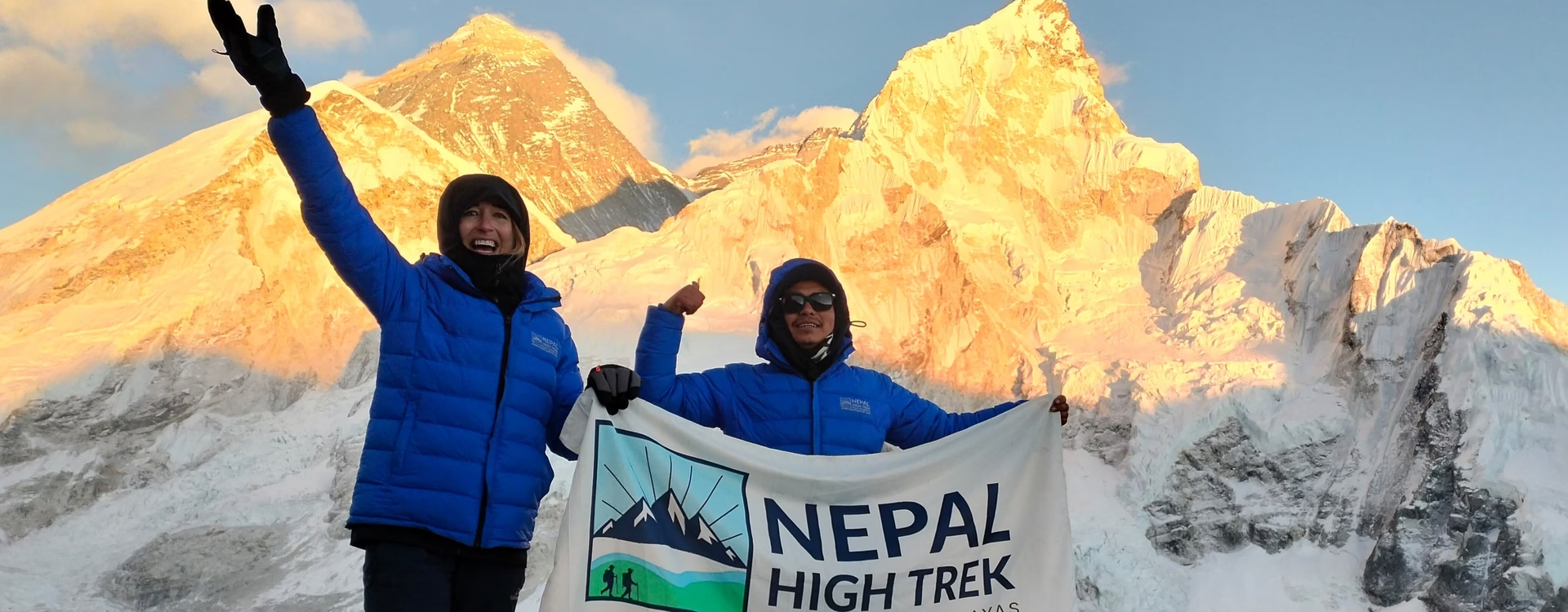
Mountains of Nepal are not just towering geography covered in snow but these are also inspiration for generations. These are the natural heritages of Nepal that draw travelers from across the globe. Nepal, home of more than 1900 snow – capped mountains with eight out of world’s fourteen highest mountains, offers an extraordinary variety of trekking experiences. Trekkers can enjoy short scenic hikes to high – altitude challenging detours lasting several weeks. Let’s find out the ultimate Nepal Trekking Guide in today’s blog.
Every trekking journey through the Nepalese Himalayas presents something unique from ancient monasteries to snow – capped mountains and from rugged hillsides to warm hospitality from multi – ethnic communities. Unlike several trekking destinations of the world, Nepal offers cultural immersion, natural wonders, and Himalayan wilderness experiences.
Meet diverse ethnic communities, enjoy authentic local delicacies, breathe a chill mountain air, and walk through beautiful landscapes. Whether you choose famous Everest trek, the diverse Annapurna Trek, the tranquil Langtang, the remote Manaslu Circuit, or many hidden trails, every trek offers different stories. One of the greatest strengths of trekking in Nepal is its incredible diversity. Even if Nepal is a small country, travelers can experience vast wonders of Mother Nature and grandeur of multi – ethnic culture.
If you are planning a Himalayan trek in Nepal, then don’t miss today’s Ultimate Nepal Trekking Guide blog. Questions about trekking season, permits, altitude, costs, physical preparation, difficulty, transportation, lodging, meals, equipment, insurance, guide hire, etc. are covered in this blog. Besides this information, the blog covers brief introduction of different trekking routes of Nepal.
The Ultimate Nepal Trekking Guide has been created as a complete resource for anyone considering a trekking trip in Nepal. Avoid any kinds of hassles while booking the trekking trip in Nepal. Inside this guide, you will learn about Nepal’s major trekking regions including things surrounding these treks. Therefore, you can confidently and properly plan a momentous trekking journey in Nepal.
Why Nepal Is the World's Greatest Trekking Destination?
In the world of today’s advance means of communication, it is not unknown to all about the beauty of Nepal. Despite its tiny geography, Mother Nature has blessed the country immensely. Furthermore, it is also the home of more than 125 ethnic communities with their own culture, traditions, and values. Nepal is definitely the world’s greatest trekking destination. The presence of towering mountains is the major reason behind the establishment of the country as the greatest trekking destination.
Trekking means you walk in the off the beaten trail away from bustling of city areas in multiple days itinerary. If you are in the trekking route of Nepal, then you don’t only enjoy the Himalayan landscapes but also enjoy diverse vegetation, people, and wildlife.
Imagine you are walking in the shadow of the world’s tallest mountain Mount Everest during the Everest Base Camp Trek! Just you feel exploring abodes of the world’s 8th tallest mountain and 10th tallest mountain during Manaslu Circuit Trek and Annapurna Base Camp Trek! Be it the low altitude cultural trek or the high – altitude Himalayan trek, walking in these trails offers a unique thrill unlike others. Therefore, Nepal is the greatest and the most potent destination for trekking activities. Book your trip with Nepal High Trek !
Complete Ultimate Nepal Trekking Guide for First-Time Trekkers
The contents of today’s blog are not only resourceful to experienced trekkers but also to the first – time trekkers. Therefore, we present you the ultimate Nepal Trekking Guide suitable for all. As a first timer trekker, you must consider about the suitable trekking destination, best season, difficulty level, safety, and logistic management. All these things are covered in this blog. Therefore, please go through the blog to know more about ways to plan for a trek as a beginner. Make sure that you go all the to the end. If you are still not convinced, then bloggers or travel planners of the Nepal High Trek will assist you to book a trek in Nepal as per your requirement.
History of Trekking Tourism in Nepal
Well, if we talk about history of trekking tourism in Nepal, we can’t miss out the contribution of Colonel Jimmy Roberts. Before talking about Roberts, let’s know early phase of trekking in Nepal. Please note down that the word trekking was coined by Sir Jimmy Roberts. Ever since, Nepal opened its door to foreigners, lots of people started to visit Nepal during 1940’s to 1950’s. After the stories of Maurice Herzog, Sir Edmund Hillary, and Tenzing Norgay went viral, Nepal got its recognition. Lots of mountaineers visited Nepal during this time.
Officially, the organized trekking started after 1960’s. Retired British Colonel; Sir Jimmy Roberts opened a trekking company in Nepal and started the organized trekking operations. He started the idea of hiring a Sherpa guide, porter, tented accommodation, cooks, and helpers for trekking activities. Most of the trekking used to happen in Nepal’s Everest, Helambu, and Kali Gandaki areas.
Slowly, the conservation and national parks were established in Nepal around 1970’s. After this, the infrastructure development shift changed the course of the trekking industry in Nepal. Nowadays, lots of trails are fully equipped to serve trekkers from across the globe. From Hippie trail to today’s modern mass tourism, Nepalese trekking industry has seen significant changes! The future looks bright!
Introduction of Nepal's Major Trekking Regions
Now, let’s talk about major trekking regions of Nepal. If we are talking about ultimate Nepal trekking guide, then we can’t omit trekking regions. Therefore, you must know what kinds of regions are there to trek in Nepal. After finding out about different types of regions, you can decide where to trek according to your preferences and requirements. This blogger has differentiated trekking regions of Nepal into commercial trekking regions and off the beaten trekking regions. Note down that even off the beaten trekking regions can be major regions due to overall trekking experiences.
Major trekking regions of Nepal are Everest, Annapurna, Langtang, and Manaslu. Besides these trekking regions, there are few regions which you can consider as major regions. As for example, the Upper Mustang region is slowly becoming major touristic destination. The construction of road network and preservation of trekking trail have paved way for both tours and trekking activities. Additionally, there are few trekking regions which are slowly becoming major regions. The Kanchenjunga region and Far Western Nepal’s Api and Saipal areas are the future prospects of the major trekking regions in Nepal.
How to Choose the Best Trek in Nepal?
You can’t give general and stereotype answer on this question. The preferences may vary from person to person. Therefore, the choice of best trek in Nepal depends upon your requirements and your taste or wish. Smart tips to choose the best trek in Nepal is by contacting the best trekking company. Search the top key words on google, find out the company with best reviews, and talk with the travel planners of the company. Ask as many questions as possible. Satisfy your questions and compare with your needs.
Check out the rates, services, and overall package offerings before finalizing the trek. Consider difficulty level, total number of days, lodging – meals facilities, and attractions. Be sure about your requirements and compare it with available treks. Talking with the travel planners of the reputed company like the Nepal High Trek is the best way to choose the best trek in Nepal. Honest counselling helps you to create momentous walking holiday in Nepal.
How Difficult Is Trekking in Nepal?
This blogger has already mentioned in the initial section of this blog about availability of diverse trails in Nepal. Therefore, the difficulty level of trekking in Nepal depends largely on which trek you choose! Note down that there are trekking trails in Nepal ranging from easy to challenging and short to long! Normally, trekking in Nepal requires good physical fitness level and sound cardio – vascular abilities. In fact, it is definitely not like a walk in a park or regular hike in many parts of the world. Please consider moderate difficulty level in an average while trekking in Nepal.
Ideal Nepal Treks for Beginners
Now, let’s list out the ideal Nepal treks for beginners. You can find something for everyone in Nepal. Therefore, it is also called as the greatest trekking destination in the world. Be it the beginner novice trekker or an experienced trekker, Nepal offers something to all. Some of the ideal treks to do in Nepal for beginners are the Ghorepani Poon Hill Trek, the Chisapani Nagarkot Trek, the Everest View Trek, the Langtang Valley Trek, and the Annapurna Base Camp Trek. Moreover, there are some treks which you can customize upon consulting with the travel planners of the Nepal High Trek.
Top Nepal Treks for Experienced Hikers
Nepal is a paradise for experienced trekkers looking for challenging trails, high mountain passes, and remote Himalayan landscapes. While popular routes like the 7 Days Annapurna Base Camp Trek and Everest Base Camp Trek are rewarding, seasoned hikers often seek adventures that go beyond the ordinary. The Manaslu Circuit Trek, Kanchenjunga Base Camp Trek, Upper Dolpo Trek, Dhaulagiri Circuit Trek, and Everest Three High Passes Trek offer demanding terrain, fewer crowds, and authentic cultural experiences. These treks require good physical fitness, previous trekking experience, and careful planning due to their altitude and remoteness. If you are ready to push your limits, Nepal offers some of the finest high-altitude trekking adventures in the world.
How Many Days Do You Need for Trekking in Nepal?
The number of days you need for trekking in Nepal depends entirely on the destination, your fitness level, and the experience you want. Short treks like Ghorepani Poon Hill or Mardi Himal can be completed in 3 to 6 days, making them ideal for travelers with limited time. Moderate adventures such as Langtang Valley or Annapurna Base Camp generally require 5 to 12 days. Longer expeditions, including the Everest Base Camp Trek, Manaslu Circuit Trek, or Upper Mustang Trek, usually take between 12 and 18 days. It is always wise to include one or two extra days in your itinerary for weather delays, proper acclimatization, or simply enjoying the journey at a relaxed pace.
How to Plan a Nepal Trek Step by Step?
Planning a trek in Nepal becomes much easier when you take it one step at a time. Start by deciding the best season based on your travel dates and weather preferences. Next, choose a trekking route that matches your fitness level, available time, and interests. Check permit requirements, arrange transportation, and book your accommodation if trekking during the busy seasons. Prepare physically by doing regular hiking or cardio exercises before your trip. Finally, pack suitable clothing and essential gear for varying mountain conditions. If you prefer a hassle-free experience, booking with a reliable local trekking company ensures permits, guides, accommodation, and logistics are handled professionally.
Independent Trekking vs Guided Trekking in Nepal
Both independent trekking and guided trekking have their own advantages, but the best choice depends on your experience and expectations. Independent trekking offers greater flexibility and can be suitable for well-marked trails where regulations allow. However, many popular trekking regions now require licensed guides for safety and conservation reasons. Guided trekking provides local knowledge, cultural insights, navigation assistance, and valuable support during emergencies or altitude-related issues. Your guide also takes care of permits, accommodation, and daily logistics, allowing you to focus on enjoying the mountains. For first-time visitors and high-altitude adventures, guided trekking is often the safest and most rewarding option.
Why Hiring a Local Guide Is Worth It?
A local trekking guide offers much more than simply leading the way through the mountains. They understand the trails, weather conditions, local customs, and hidden viewpoints that many independent trekkers may overlook. Their knowledge becomes especially valuable when dealing with changing weather, altitude sickness, or unexpected situations along the route. Local guides also help you communicate with villagers, explain cultural traditions, and recommend authentic tea houses. By hiring a licensed Nepali guide, you directly support local families and contribute to the mountain economy. More importantly, you gain confidence knowing that someone experienced is always there to assist throughout your journey.
Benefits of Trekking With a Reputable Company
Choosing a reputable trekking company can make a significant difference to your overall experience in Nepal. Professional operators handle permits, transportation, accommodation, experienced guides, and emergency arrangements, allowing you to travel with peace of mind. They maintain high safety standards, provide honest itinerary advice, and ensure fair treatment of guides and porters. Reliable companies also have established relationships with local lodges, helping secure accommodation during busy trekking seasons. If weather changes or travel plans need adjustment, an experienced agency can quickly find practical solutions. While independent travel is possible, many trekkers appreciate the convenience, safety, and local expertise offered by a trusted company.
When is the best Time for Trekking in Nepal ?
One of the questions I receive most often from travelers is, "When is the best time to trek in Nepal?" The answer depends on the experience you are looking for. Nepal is a year-round trekking destination, and every season has something unique to offer. If your priority is crystal-clear mountain views and comfortable weather, spring (March to May) and autumn (September to November) are undoubtedly the best choices. These months provide stable conditions, pleasant daytime temperatures, and excellent visibility across the Himalayas. However, if you prefer quieter trails, lower costs, and don't mind adapting to different weather conditions, winter and even the monsoon season can be surprisingly rewarding. Instead of asking which season is perfect, I always recommend choosing the season that best matches your expectations, fitness level, and trekking destination.
Trekking in Nepal During Spring
Spring, from March to May, is one of my favorite times to explore the Himalayas. After the cold winter months, the hills and forests begin to bloom with colorful rhododendrons, magnolias, and wildflowers, creating some of the most beautiful landscapes you'll find anywhere in Nepal. The weather is generally stable, mornings are clear, and temperatures are comfortable for long days of walking. Popular routes like Everest Base Camp, Annapurna Base Camp, Langtang Valley, Three High Pass and Mardi Himal are at their best during this season. Since spring is also one of the busiest trekking periods, tea houses can fill up quickly, especially in April. Booking your trek in advance is always a smart idea. If you enjoy vibrant scenery, pleasant temperatures, and lively trekking trails, spring is difficult to beat.
Trekking in Nepal During Summer and Monsoon
The summer and monsoon season, which usually lasts from June to August, is often overlooked by trekkers. While heavy rainfall affects many popular trekking regions, this season also offers a completely different perspective of Nepal. The hills become incredibly green, waterfalls flow at full strength, and the countryside feels fresh and alive. Trails are much quieter, allowing you to enjoy a more peaceful trekking experience. However, muddy paths, leeches in lower forests, cloudy skies, and occasional flight or road delays should be expected. Fortunately, rain-shadow regions such as Upper Mustang and Dolpo receive very little rainfall and remain excellent trekking destinations throughout the monsoon. With proper preparation and realistic expectations, trekking during this season can be both affordable and uniquely rewarding.
Trekking in Nepal During Autumn
If someone asked me to recommend just one season for trekking in Nepal, autumn would almost always be my first choice. From late September until November, the weather becomes remarkably stable after the monsoon rains clear the atmosphere. The skies are deep blue, visibility is outstanding, and the mountain panoramas are often at their very best. Temperatures remain comfortable throughout the day, making long trekking days enjoyable without extreme heat or cold. This is also the festive season in Nepal, with Dashain and Tihar bringing a unique cultural atmosphere to villages across the country. Because of these ideal conditions, autumn is also the busiest trekking season, so popular trails and tea houses become crowded. Even so, the combination of perfect weather, spectacular scenery, and cultural experiences makes autumn worth every moment.
Trekking in Nepal During Winter
Winter trekking in Nepal, from December to February, offers a completely different kind of adventure. The skies are often exceptionally clear, providing breathtaking mountain views that photographers absolutely love. Lower altitude treks such as Ghorepani Poon Hill, Langtang Valley, Mardi Himal, and sections of the Annapurna region remain excellent choices during this season. Higher mountain passes may be blocked by snow, and nighttime temperatures can drop well below freezing, especially above 3,500 meters. The biggest advantage of winter is the peaceful atmosphere. Trails are far less crowded, tea houses are quieter, and accommodation is easier to find. With warm clothing, proper equipment, and realistic itinerary planning, winter trekking rewards travelers with solitude, crisp Himalayan landscapes, and unforgettable sunrises over snow-covered peaks.
Which Months Are Best for Trekking in Nepal?
Although trekking is possible throughout the year, the months of March, April, October, and November consistently offer the best overall conditions. During these months, the weather is generally stable, mountain views are clear, temperatures are comfortable, and most trekking routes are fully accessible. April is particularly beautiful because of blooming rhododendron forests, while October is famous for its crystal-clear skies after the monsoon season. November offers similar weather with slightly cooler temperatures and fewer crowds than October. If your schedule only allows travel during the off-season, don't be discouraged. Many treks remain enjoyable in winter, while destinations like Upper Mustang are actually best visited during the summer monsoon. Choosing the right month depends not only on weather but also on your preferred trekking experience.
Which Season Offers the Best Mountain Views?
For trekkers who dream of seeing Nepal's giant Himalayan peaks in their full glory, autumn generally offers the clearest mountain views of the year. Once the monsoon rains have washed away dust and pollution, visibility improves dramatically, allowing panoramic views of Everest, Annapurna, Manaslu, Dhaulagiri, Langtang, and countless other peaks. Early mornings during October and November are especially spectacular, with golden sunlight illuminating snow-covered summits under deep blue skies. Spring also provides excellent visibility, although afternoon haze can occasionally develop in lower elevations. During the monsoon season, clouds often hide the mountains for much of the day, while winter offers outstanding clarity but colder temperatures. For photographers and mountain lovers, autumn remains the undisputed favorite.
When Is the Cheapest Time to Trek in Nepal?
If your main goal is to reduce the overall cost of your Nepal trekking adventure, consider traveling during the off-season. The months of June, July, August, December, January, and February often offer lower accommodation rates, cheaper domestic flights, and occasional discounts from trekking companies. Because there are fewer visitors, tea houses are more flexible with pricing, and guides and porters are generally easier to arrange. While you may need to prepare for rain during the monsoon or cold temperatures during winter, the financial savings can be significant. I always tell budget-conscious travelers that trekking doesn't have to be expensive. Choosing the right season, planning carefully, and remaining flexible can help you enjoy an unforgettable Himalayan journey without stretching your travel budget.
Everest Base Camp Trek Introduction
Now, let’s talk about the most legendary trekking route of Nepal, the Everest Base Camp Trek route. Yes, the official oldest trekking route of Nepal is the Annapurna Circuit Trek but trail to the Everest Base Camp was walked by Maurice Herzog to Edmund Hillary during 1950’s. Therefore, it is a legendary trail. From the world’s most extreme airport to the foothill of the world’s tallest mountain Everest Base Camp, knit the trekking moments which are the epitome of all adventures. Walk on the trail through Sherpa villages, glaciers, moraines, and famous vantage points during the EBC Trek in Nepal. It is undoubtedly one of the most popular trails to trek in Nepal.
Everest Base Camp Trek Cost
If you are a regular reader of our blog, then you know in detail about different travel tips to Nepal. The Everest Base Camp Trek Cost depends largely on the type of trekking package and number of trekking days. Furthermore, it is also highly dependent on the style of trekking that you prefer to do. Luxury trekking options are available for this trek including the helicopter return or the use of luxury mountain lodges. Therefore, the cost of the Everest Base Camp Trek ranges from 1350 $ to 4600 $ per person. The expensive price of the trek has luxury mountains for lodging and helicopter transportation instead of regular Lukla flights.
Everest Base Camp Trek Itinerary
The 10 Days Everest Base Camp Trek itinerary usually takes 12 to 14 days, allowing trekkers enough time to acclimatize while gradually ascending through the Khumbu region. The journey begins with a flight or road journey to the Everest region before passing famous villages like Phakding, Namche Bazaar, Tengboche, Dingboche, Lobuche, and Gorak Shep. The highlight is reaching Everest Base Camp at 5,364 meters, followed by a sunrise hike to Kala Patthar for panoramic mountain views. A well-planned itinerary balances adventure with proper acclimatization, making the trek safer and more enjoyable.
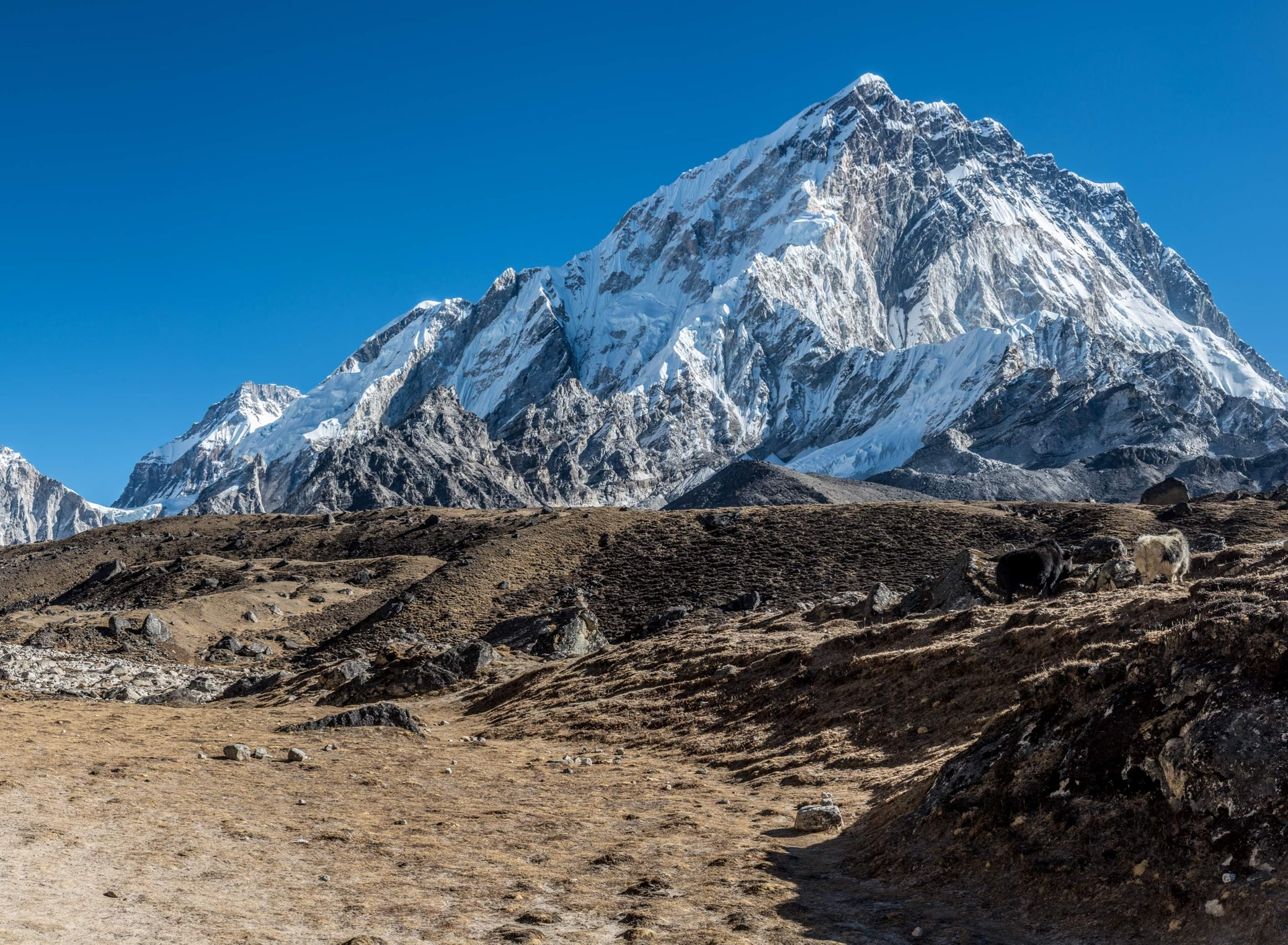
14 Days Everest Base Camp Trek
View DetailsEverest Base Camp Trek Difficulty
The Everest Base Camp Trek is considered moderately difficult and is suitable for anyone with good physical fitness and determination. Although no technical climbing is involved, trekkers walk for five to seven hours daily across steep trails and rugged terrain while gaining significant altitude. The biggest challenge is the reduced oxygen level above 3,500 meters, making acclimatization essential. Regular hiking, cardiovascular exercise, and mental preparation greatly improve the experience. With an experienced guide, a steady pace, and proper planning, most healthy trekkers successfully complete this iconic Himalayan adventure.
Everest Base Camp Trek Permits
Every trekker visiting Everest Base Camp must obtain the required permits before entering the Khumbu region. The two essential permits are the Khumbu Pasang Lhamu Rural Municipality Entrance Permit and the Sagarmatha National Park Entry Permit. These permits contribute to conservation efforts, trail maintenance, and local community development. Trekkers should carry their permits throughout the journey because checkpoints verify documentation along the route. When booking with a licensed trekking company, permit arrangements are usually handled in advance, making the process simple and hassle-free for international visitors.
Everest Three Passes Trek Guide
The Everest Three Passes Trek is one of Nepal's most rewarding high-altitude adventures, combining Everest Base Camp, Gokyo Lakes, and three spectacular mountain passes—Kongma La, Cho La, and Renjo La. This challenging trek is designed for experienced hikers seeking fewer crowds and breathtaking Himalayan scenery. Trekkers enjoy stunning views of Everest, Lhotse, Makalu, Cho Oyu, and numerous glaciers throughout the route. Strong physical fitness, proper acclimatization, and careful planning are essential for completing this unforgettable journey across some of Nepal's highest trekking trails.
Gokyo Lakes Trek Guide
The Gokyo Lake Trek offers an outstanding alternative to Everest Base Camp by leading trekkers through peaceful Sherpa villages to the turquoise glacial lakes of Gokyo Valley. One of the trek's highlights is climbing Gokyo Ri, where panoramic views include Mount Everest, Cho Oyu, Lhotse, and Makalu. Compared to the traditional Everest Base Camp route, this trek is quieter while providing equally spectacular mountain scenery. It is ideal for trekkers seeking beautiful alpine landscapes, glacier crossings, and authentic Himalayan culture without following the busiest trekking trail. Gokyo Lake with Chola Pass Trek is an adventure journey that discovers the marvelous views of the Khumbu Himalayas.
Everest View Trek Overview
The Everest View Trek is a short and rewarding Himalayan journey designed for travelers with limited time or those preferring lower altitudes. Usually completed within five to seven days, the trek reaches Namche Bazaar and the famous Hotel Everest View, where visitors enjoy magnificent panoramas of Mount Everest and surrounding peaks. Comfortable tea houses, vibrant Sherpa culture, Buddhist monasteries, and relatively gentle walking make this an excellent introduction to trekking in Nepal. Families, beginners, and older travelers often choose this scenic adventure for its accessibility and breathtaking views.
Luxury Everest Base Camp Trek
The Luxury Everest Base Camp Trek combines the excitement of reaching the world's most famous base camp with premium accommodation, excellent meals, and superior services. Trekkers stay in comfortable luxury lodges whenever available and often enjoy helicopter transfers that reduce travel time. Professional guides, personalized itineraries, and enhanced hospitality create a more comfortable trekking experience without sacrificing adventure. This premium option is ideal for travelers seeking exceptional service while exploring the magnificent Everest region in greater comfort than standard tea house trekking offers.
Everest Base Camp Trek Without Lukla Flight
Many trekkers now choose the Everest Base Camp Trek without the Lukla flight to avoid weather-related delays and enjoy a more adventurous journey. Instead of flying, travelers drive from Kathmandu to Salleri or Thamdanda before beginning the trek on foot. This route adds several trekking days but offers quieter trails, authentic villages, and beautiful mid-hill scenery rarely experienced by those flying directly to Lukla. It also provides gradual altitude gain, which may improve acclimatization while creating a longer and more immersive Himalayan trekking experience.
Annapurna Base Camp Trek Guide
The Annapurna Base Camp Trek is one of Nepal's most popular trekking adventures, leading hikers into the heart of the Annapurna Sanctuary. The trail passes through terraced farmlands, rhododendron forests, traditional Gurung and Magar villages, and scenic river valleys before reaching Annapurna Base Camp at 4,130 meters. Along the way, trekkers enjoy breathtaking views of Annapurna I, Machhapuchhre, Hiunchuli, and Annapurna South. The combination of diverse landscapes, comfortable tea houses, and moderate difficulty makes this trek suitable for both beginners and experienced mountain enthusiasts.
Annapurna Circuit Trek Guide
The Annapurna Circuit Trek is a classic Himalayan journey that circles the Annapurna Massif while showcasing Nepal's incredible geographical and cultural diversity. Trekkers travel through lush subtropical forests, alpine meadows, ancient villages, and the high mountain desert of Mustang. The trek's greatest challenge and highlight is crossing the famous Thorong La Pass at 5,416 meters. Along the route, visitors experience the traditions of Gurung, Thakali, and Tibetan-influenced communities. Its constantly changing scenery and cultural richness make the Annapurna Circuit one of the world's finest long-distance trekking routes.
Ghorepani Poon Hill Trek Guide
The Ghorepani Poon Hill Trek is a short yet rewarding adventure perfect for first-time trekkers and families. Lasting four to six days, the trail winds through charming mountain villages, dense rhododendron forests, and terraced hillsides before reaching the famous Poon Hill viewpoint. Sunrise from Poon Hill offers unforgettable panoramic views of Annapurna, Dhaulagiri, Machhapuchhre, and Nilgiri. Comfortable tea houses, moderate walking distances, and easy accessibility from Pokhara make this one of Nepal's most popular short trekking experiences throughout the year.
Mardi Himal Trek Guide
The 4 Days Short Mardi Himal Trek is a hidden gem in the Annapurna region, offering peaceful trails, spectacular mountain scenery, and fewer crowds than many classic routes. The journey passes through beautiful rhododendron forests before climbing above the tree line to scenic ridges with close-up views of Machhapuchhre, Annapurna South, and Hiunchuli. Reaching Mardi Himal Base Camp provides one of the finest viewpoints in the region. Its relatively short duration, moderate difficulty, and tranquil environment make this trek ideal for travelers seeking an off-the-beaten-path Himalayan experience.
Khopra Ridge Trek Guide
The Khopra Ridge Trek is an excellent alternative to the busy Ghorepani route, offering quieter trails and equally impressive Himalayan scenery. Trekkers pass traditional villages, alpine forests, and high mountain pastures before reaching Khopra Danda, where panoramic views stretch across Annapurna, Dhaulagiri, Nilgiri, and Machhapuchhre. Many itineraries also include a side trip to the sacred Khayer Lake. With fewer visitors, welcoming community lodges, and outstanding mountain landscapes, Khopra Ridge provides an authentic trekking experience for those seeking solitude in the Annapurna region.
Tilicho Lake Trek Guide
The Tilicho Lake Trek leads adventurers to one of the world's highest alpine lakes, situated at an altitude of 4,919 meters. Often combined with the Annapurna Circuit Trek, this route passes dramatic cliffs, glacial valleys, and remote mountain landscapes before reaching the turquoise waters of Tilicho Lake. The trek requires good physical fitness because of challenging terrain and high altitude, but the scenery rewards every effort. Its unique landscapes, spiritual significance, and breathtaking Himalayan backdrop make Tilicho Lake one of Nepal's most memorable trekking destinations.
Annapurna Base Camp vs Annapurna Circuit Trek
Choosing between the Annapurna Base Camp Trek and the short 10 Days Annapurna Circuit Trek depends on your available time, fitness level, and trekking goals. Annapurna Base Camp focuses on reaching a spectacular mountain sanctuary surrounded by towering peaks within a shorter itinerary. In contrast, the Annapurna Circuit offers a longer adventure featuring greater cultural diversity, varied landscapes, and the challenge of crossing Thorong La Pass. Both treks provide excellent tea house accommodation and incredible scenery, making either choice an unforgettable Himalayan experience for nature lovers and adventure seekers.
Annapurna Region Trekking Costs
The cost of trekking in the Annapurna region depends on the itinerary, season, group size, and preferred level of comfort. Budget trekkers can minimize expenses by staying in standard tea houses, while premium packages include experienced guides, private transportation, upgraded accommodation, and additional services. Daily expenses typically cover accommodation, meals, permits, guide and porter fees, and transportation. Planning ahead and traveling during the shoulder seasons can help reduce costs without compromising the overall trekking experience. Most routes offer excellent value for the quality of adventure provided.
Best Short Treks in the Annapurna Region
The Annapurna region offers several outstanding short treks that combine beautiful mountain scenery with manageable walking distances. Popular choices include the Ghorepani Poon Hill Trek, Mardi Himal Trek, Annapurna Base Camp Short Trek, and Khopra Ridge Trek. These adventures can usually be completed within four to eight days, making them ideal for travelers with limited holiday time. Despite their shorter duration, each trek features welcoming tea houses, diverse landscapes, local culture, and magnificent views of the Annapurna and Dhaulagiri mountain ranges.
Langtang Valley Trek Guide
The Langtang Valley Trek is one of Nepal's most accessible Himalayan adventures, located just north of Kathmandu. The trail passes through lush forests, traditional Tamang villages, yak pastures, and glacial valleys before reaching Kyanjin Gompa, the spiritual heart of the region. Trekkers enjoy spectacular views of Langtang Lirung, Dorje Lakpa, and surrounding snow-covered peaks. Rich Tibetan-influenced culture, comfortable tea houses, and fewer crowds than the Everest and Annapurna regions make Langtang an excellent choice for trekkers seeking authentic mountain experiences close to the capital.
Gosaikunda Lake Trek Guide
The Gosaikunda Lake Trek leads trekkers to one of Nepal's most sacred alpine lakes, situated at an elevation of approximately 4,380 meters within Langtang National Park. The route climbs through rhododendron forests, traditional settlements, and rugged mountain landscapes before reaching the pristine glacial lakes. Thousands of Hindu and Buddhist pilgrims visit Gosaikunda during the Janai Purnima festival, believing the lake possesses great spiritual significance. Along with its religious importance, the trek rewards visitors with breathtaking Himalayan panoramas and peaceful high-altitude scenery throughout the journey.
Langtang Gosaikunda Trek Overview
The Langtang Gosaikunda Trek combines two of Nepal's most beautiful trekking destinations into one unforgettable adventure. Beginning in the scenic Langtang Valley, the route continues across the challenging Laurebina La Pass before descending toward the sacred Gosaikunda Lakes. This itinerary offers an outstanding mix of mountain landscapes, glaciers, alpine lakes, forests, and traditional Tamang culture. Trekkers experience remarkable biodiversity within Langtang National Park while enjoying magnificent views of Langtang Lirung, Ganesh Himal, and numerous surrounding Himalayan peaks during this rewarding high-altitude journey.
Helambu Trek Guide
The Helambu Trek is a peaceful and culturally rich trekking route located northeast of Kathmandu, making it ideal for travelers with limited time. The trail passes through beautiful forests, terraced farmland, Buddhist monasteries, and welcoming Hyolmo villages while offering impressive views of the Langtang and Jugal Himal ranges. Moderate walking distances and relatively low elevations reduce the risk of altitude sickness, making Helambu suitable for beginners and families. Its convenient location, authentic local culture, and tranquil atmosphere provide an enjoyable alternative to Nepal's busier trekking destinations.
Why Langtang Is Perfect for First-Time Trekkers?
Langtang is considered one of Nepal's best trekking destinations for beginners because it combines spectacular Himalayan scenery with moderate difficulty and easy accessibility. The journey starts after a short drive from Kathmandu, eliminating the need for domestic flights. Comfortable tea houses, well-established trails, gradual altitude gain, and shorter trekking durations help first-time trekkers build confidence in the mountains. Visitors also experience genuine Tamang hospitality, Buddhist culture, and diverse natural landscapes while enjoying fewer crowds than the more famous Everest and Annapurna trekking regions.
Langtang Trek Cost and Itinerary
A typical Langtang Trek lasts seven to ten days and offers excellent value compared to many other Himalayan adventures. The itinerary usually includes Kathmandu, Syabrubesi, Lama Hotel, Langtang Village, Kyanjin Gompa, and the return journey along the same scenic route. Trekking costs vary depending on transportation, accommodation, guide services, porter assistance, and group size. Since permits and tea house prices are generally affordable, Langtang remains one of Nepal's most budget-friendly trekking destinations while still delivering world-class mountain scenery and memorable cultural experiences.
Manaslu Circuit Trek Guide
The Manaslu Trek is one of Nepal's most spectacular off-the-beaten-path adventures, circling the world's eighth-highest mountain, Mount Manaslu (8,163 meters). The trail follows the Budhi Gandaki River through remote villages, dense forests, suspension bridges, and dramatic mountain valleys before crossing the challenging Larkya La Pass at 5,106 meters. Trekkers experience a unique blend of Hindu and Tibetan Buddhist cultures while enjoying breathtaking Himalayan scenery. Fewer crowds, untouched landscapes, and authentic village life make the Manaslu Circuit an outstanding alternative to Nepal's more popular trekking routes.
Manaslu Circuit Trek Cost
The cost of the 10 Days Short Manaslu Circuit Trek varies depending on the season, itinerary, group size, and level of service. A standard package generally includes restricted area permits, Manaslu Conservation Area Permit (MCAP), Annapurna Conservation Area Permit (ACAP), licensed guide, accommodation, meals during the trek, and transportation. Additional expenses may include snacks, hot showers, charging electronic devices, Wi-Fi, travel insurance, and personal equipment. Although permit fees are higher than many other treks, the exceptional scenery and cultural experiences offer excellent value for adventure travelers.
Manaslu Circuit Trek Permits
The Manaslu Circuit Trek requires several permits because it passes through a restricted area near the Tibetan border. Trekkers must obtain a Restricted Area Permit (RAP), the Manaslu Conservation Area Permit (MCAP), and the Annapurna Conservation Area Permit (ACAP). Independent trekking is not permitted, and all visitors must travel with a licensed guide through a registered trekking agency. Permit fees vary according to the season and the number of days spent in the restricted area. Carrying valid permits throughout the trek is mandatory at every checkpoint.
Manaslu Circuit Trek Difficulty
The Manaslu Circuit Trek is considered moderately difficult to challenging due to its high altitude, long walking days, and remote mountain terrain. Trekkers typically hike between six and eight hours daily while gradually gaining elevation before crossing the demanding Larkya La Pass. Good physical fitness, prior hiking experience, and proper acclimatization significantly improve the chances of completing the trek comfortably. Although no technical climbing skills are required, unpredictable mountain weather and limited facilities make careful preparation essential for a safe and enjoyable experience.
Best Time for Manaslu Circuit Trek
The best seasons for the Manaslu Circuit Trek are spring (March to May) and autumn (September to November). During these months, stable weather, clear skies, and comfortable daytime temperatures create ideal trekking conditions. Spring brings blooming rhododendron forests and colorful alpine landscapes, while autumn offers excellent mountain visibility after the monsoon rains. Winter treks are possible but involve cold temperatures and snow-covered passes, whereas the summer monsoon often brings heavy rainfall, slippery trails, landslides, and reduced visibility throughout the region.
Manaslu Circuit Trek Accommodation
Accommodation on the Manaslu Circuit Trek with Serang Gompa mainly consists of traditional tea houses operated by local families. Rooms are generally simple but clean, usually offering twin beds, blankets, and shared bathrooms. Dining halls provide warm meals, hot drinks, and a welcoming atmosphere where trekkers can relax after a long day on the trail. Facilities become more basic at higher elevations, with limited electricity, Wi-Fi, and hot showers available for an additional fee. Staying in local tea houses supports mountain communities while providing an authentic Himalayan trekking experience.
Manaslu Circuit Trek Packing List
Packing properly is essential for a successful Manaslu Circuit Trek because weather conditions can change quickly at higher elevations. Essential items include waterproof hiking boots, layered clothing, a warm down jacket, thermal base layers, gloves, a hat, sunglasses, trekking poles, and a quality sleeping bag. Personal medications, a first-aid kit, reusable water bottles, water purification tablets, sunscreen, and energy snacks are also highly recommended. Choosing lightweight, durable gear improves comfort while ensuring trekkers remain prepared for varying temperatures and challenging mountain conditions.
Manaslu Circuit vs Annapurna Circuit
The Manaslu Circuit and Annapurna Circuit are two of Nepal's finest long-distance treks, yet each offers a distinct experience. The Manaslu Circuit is quieter, more remote, and requires special permits and a licensed guide, making it ideal for trekkers seeking solitude and authentic Himalayan culture. The Annapurna Circuit features greater infrastructure, easier accessibility, and a wider range of accommodation options. While both routes showcase spectacular mountain scenery and cultural diversity, Manaslu appeals to adventurous travelers, whereas Annapurna suits those looking for a more established trekking experience.
Upper Mustang Trek Guide
The Upper Mustang Trek with Luri Gompa takes travelers into Nepal's ancient "Last Forbidden Kingdom," a remote region that remained closed to foreigners until 1992. Located in the rain shadow of the Annapurna and Dhaulagiri ranges, the trek features dramatic desert landscapes, colorful cliffs, centuries-old monasteries, cave dwellings, and traditional Tibetan-influenced villages. The walled city of Lo Manthang is the cultural highlight of the journey. With its unique geography, preserved traditions, and limited visitor numbers, Upper Mustang offers one of the most distinctive trekking experiences in the Himalayas. If you have limit time for Upper Mustang it's possible to do the short Upper Mustang Jeep Tour and for this trip, anyone can easily join the trip.
Upper Dolpo Trek Guide
The Upper Dolpo Trek is among Nepal's most remote and challenging adventures, attracting experienced trekkers seeking true wilderness. This restricted region is famous for its untouched landscapes, high mountain passes, turquoise Phoksundo Lake, ancient Bon and Buddhist monasteries, and centuries-old Tibetan culture. Due to its isolation, the trek requires excellent physical fitness, careful planning, and sufficient time for acclimatization. Limited infrastructure and breathtaking natural beauty make Upper Dolpo one of Nepal's most rewarding expeditions for adventurous travelers looking beyond the country's popular trekking routes.
Nar Phu Valley Trek Guide
The Nar Phu Valley Trek explores one of Nepal's hidden Himalayan valleys, located north of the Annapurna region near the Tibetan border. Opened to trekkers only in recent years, this restricted area preserves authentic Tibetan culture, medieval villages, ancient monasteries, and dramatic mountain scenery. The route passes through deep gorges, alpine meadows, and rugged landscapes before crossing the challenging Kang La Pass. With minimal crowds and a remarkable cultural heritage, Nar Phu is an excellent choice for trekkers seeking an authentic and less-commercialized Himalayan adventure.
Kanchenjunga Base Camp Trek Guide
The Kanchenjunga Base Camp Trek leads adventurers to the foothills of the world's third-highest mountain, Mount Kanchenjunga (8,586 meters). Located in eastern Nepal, this remote trek passes through pristine forests, traditional Rai and Limbu villages, alpine valleys, and high mountain glaciers. Trekkers can visit both the North and South Base Camps while enjoying spectacular views of Kanchenjunga and neighboring Himalayan peaks. Rich biodiversity, peaceful trails, and limited tourist traffic make this one of Nepal's finest wilderness trekking experiences for experienced hikers.
Tsum Valley Trek Guide
The Tsum Valley Trek offers an unforgettable journey into one of Nepal's most spiritually significant Himalayan valleys. Hidden for centuries near the Tibetan border, the valley is renowned for its ancient Buddhist monasteries, mani walls, prayer flags, and traditional villages that have preserved their unique culture and lifestyle. The trail follows the Budhi Gandaki River before entering the peaceful Tsum Valley, surrounded by magnificent snow-capped mountains. Trekkers seeking cultural immersion, spiritual heritage, and quieter trails will find this region exceptionally rewarding. The Tsum Valley Manaslu Circuit Trek is one of the most beautiful and best journey to discover the hidden gems of culture and nature of the Manaslu region.
Why Restricted Area Treks Are Special?
Restricted area treks provide access to some of Nepal's most isolated regions, where traditional lifestyles, languages, customs, and religious practices have remained largely unchanged for generations. Visitor numbers are carefully controlled through special permit systems to help preserve fragile ecosystems and unique cultural heritage. These treks often feature untouched landscapes, authentic village experiences, ancient monasteries, and far fewer crowds than popular trekking routes. For travelers seeking genuine Himalayan exploration, restricted areas offer rare opportunities to experience Nepal beyond its mainstream destinations.
Restricted Area Permit Costs
Restricted area permit costs vary according to the trekking destination, season, and duration of the trek. Popular regions such as Upper Mustang, Upper Dolpo, Manaslu, Nar Phu Valley, and Kanchenjunga each have different permit requirements and fee structures established by the Government of Nepal. These charges support conservation, infrastructure development, and the protection of culturally sensitive border regions. Since permit regulations may change periodically, trekkers should always confirm the latest fees through a licensed trekking agency before planning their Himalayan adventure.
The cost starts from 10 $ per week to 50 $ per day. For example, the Upper Mustang region requires you to pay 50 $ per day whereas the Kanchenjunga Conservation Area charges on per week basis.
Nepal Trekking Local Municipality Permit Cost
In recent years, several rural municipalities have introduced local trekking entrance fees to support tourism development, trail maintenance, waste management, and community projects. These charges are separate from national park and conservation area permits and may apply to specific trekking regions such as the Everest area. The permit cost varies depending on the municipality and whether the visitor is a foreign national or a SAARC citizen. Trekkers should always carry payment receipts and valid identification, as permit checks are conducted at designated entry points along the trekking routes.
Popular local municipality entry permit is for the Pasang Lhamu Rural Municipality during the Everest Trek. Similarly, you also need Tsum Nubri Rural Municipality entry permit for the Manaslu Circuit Trek in Nepal. Nowadays, few other municipalities are planning to put the local permit. It helps in conservation as well as to lift the standards of locals. The local permit cost starts from NRs. 1000 to NRs. 3000.
National Park Entry Permits Explained
Many of Nepal's most popular trekking routes pass through protected national parks and conservation areas that require official entry permits. Examples include Sagarmatha National Park, Langtang National Park, Annapurna Conservation Area, Manaslu Conservation Area, and Kanchenjunga Conservation Area. The permit fees contribute directly to wildlife conservation, trail improvement, environmental protection, and community-based tourism initiatives. Trekkers must keep their permits accessible throughout the journey because park authorities verify documentation at multiple checkpoints before allowing entry into protected Himalayan regions.
Restricted Area Permit Rules
Restricted Area Permits are mandatory for trekking in sensitive border regions such as Upper Mustang, Upper Dolpo, Nar Phu Valley, Tsum Valley, and parts of the Manaslu region. These permits are issued only through government-registered trekking agencies and generally require trekkers to travel with a licensed guide. In many restricted areas, a minimum of two trekkers is required to obtain the permit, although regulations may vary by destination. Violating permit rules can result in fines, denied entry, or cancellation of the trekking itinerary.
How to Obtain Trekking Permits in Nepal?
Obtaining trekking permits in Nepal is a straightforward process when planned in advance. Travelers booking through a licensed trekking company usually have all required permits arranged on their behalf after providing passport copies, passport-sized photographs, travel insurance details, and visa information. Independent trekkers can obtain eligible permits from the Nepal Tourism Board or relevant conservation area offices, depending on the destination. It is advisable to organize permits before leaving Kathmandu or Pokhara to avoid unnecessary delays during the trek.
Nepal High Trek can help you get the permits for these treks. You can simply book the trek with us and the company can handle all issues. Travelers can simply enjoy the majestic Nepal and leave all logistic hassles to the company.
Latest Trekking Regulations in Nepal
Nepal's trekking regulations are updated periodically to improve visitor safety, protect fragile mountain environments, and support local communities. Several popular trekking regions now strongly encourage or require trekkers to travel with licensed guides, while restricted areas continue to enforce mandatory guide and permit requirements.
Authorities may also introduce new waste management policies, environmental guidelines, and digital permit systems. Before starting any trek, travelers should verify the latest government regulations through a registered trekking agency or the Nepal Tourism Board to ensure full compliance.
The most recent trekking regulations in Nepal is the uplift of ban on solo trekking inside the restricted areas of Nepal. Now, you can trek solo but you must have a licensed trekking guide. Similarly, Nepal Government has also reduced the cost of the restricted area permit for Upper Mustang making it 50 $ per day.
Permit Costs for Popular Treks
Permit costs vary according to the trekking destination and the protected areas included in the itinerary. Popular routes such as Everest Base Camp, Annapurna Base Camp, Langtang Valley, Manaslu Circuit, Upper Mustang, Nar Phu Valley, and Kanchenjunga each require different combinations of national park, conservation area, local municipality, and restricted area permits. Budgeting for permits in advance helps avoid unexpected expenses during the journey. Since permit fees may change without prior notice, trekkers should always confirm the latest official prices before booking their trek.
Generally, the cost starts from NRs. 3000 to foreigners and NRs. 1000 to NRs. 1500 to SAARC nationals.
How Much Does Trekking in Nepal Cost?
One of the first questions travelers ask before planning a Himalayan adventure is, "How much does trekking in Nepal cost?" The answer depends on the trekking region, trip duration, level of comfort, and whether you choose a group or private package. A short trek like Ghorepani Poon Hill generally costs much less than longer adventures such as the Everest Base Camp Trek or the Manaslu Circuit Trek.
Your budget should include permits, accommodation, meals, transportation, guide and porter services, travel insurance, and personal expenses. While Nepal remains one of the world's most affordable trekking destinations, choosing a reliable trekking company instead of simply the cheapest option often provides better safety, experienced guides, and a more enjoyable overall experience.
Budget Trekking in Nepal
Nepal is one of the few destinations where incredible Himalayan adventures are still possible on a reasonable budget. Budget trekking usually involves staying in standard tea houses, using public transportation where available, and sharing guide or porter services with other trekkers. Popular routes such as Langtang Valley, Mardi Himal, Ghorepani Poon Hill, and Annapurna Base Camp are excellent choices for budget-conscious travelers. Although the facilities may be simple, they are comfortable enough after a long day of walking. Saving money should never mean compromising on safety. Hiring a licensed guide and purchasing proper travel insurance are worthwhile investments that can make your trekking experience far more enjoyable and secure.
Mid-Range Trekking Packages
Mid-range trekking packages are the most popular choice among international visitors because they offer an excellent balance between comfort, safety, and affordability. These packages generally include airport transfers, quality hotel accommodation in Kathmandu, licensed guides, experienced porters, permits, transportation, tea house accommodation during the trek, and full-board meals on the trail.
Trekkers can enjoy well-organized logistics without worrying about daily arrangements. Whether you choose the Everest Base Camp Trek, Annapurna Circuit Trek, or Langtang Valley Trek, a mid-range package provides good value for money while allowing you to fully focus on the mountain experience rather than the planning.
Luxury Trekking Experiences in Nepal
Luxury trekking in Nepal combines breathtaking Himalayan scenery with premium comfort and personalized service. Instead of basic tea houses, many luxury itineraries include boutique lodges with private rooms, attached bathrooms where available, comfortable beds, quality meals, and exceptional hospitality. Helicopter transfers, private vehicles, experienced guides, and customized itineraries further enhance the experience.
Popular destinations such as Everest, Annapurna, and Lower Mustang now offer several luxury trekking options. While these trips cost significantly more than standard packages, they are ideal for travelers who wish to enjoy Nepal's magnificent mountains without sacrificing comfort. Luxury trekking proves that adventure and relaxation can go hand in hand.
Daily Expenses During a Trek
Besides your trekking package, it is important to budget for personal daily expenses while on the trail. These typically include drinking water, snacks, tea or coffee, hot showers, charging electronic devices, WiFi access, laundry, and occasional treats like bakery items. Prices gradually increase as you climb higher because every item must be carried by porters, mules, or yaks into remote mountain villages. Most trekkers spend around USD 20 to 35 per day on personal expenses, depending on their habits and the trekking region. Carrying enough Nepalese Rupees before starting the trek is always recommended since ATMs are unavailable in most mountain areas.
Food Costs on Nepal Treks
Meals are an important part of your trekking budget because they are purchased daily at tea houses along the trail. In lower villages, food prices are relatively affordable, but costs increase with altitude due to transportation challenges. A typical breakfast, lunch, or dinner usually includes local favorites like Dal Bhat, fried rice, noodles, soup, pasta, momos, pancakes, or eggs.
Dal Bhat remains the best value since many tea houses provide free refills, making it a favorite among experienced trekkers. Although food becomes more expensive at higher elevations, the quality is generally satisfying and portions are generous enough to fuel long days of trekking. Well, the cost of food for a day is around 35 $ to 50 $ depending upon your diet and altitude. Remember that the higher you go the lesser your appetite will be. It is advised to eat soupy foods in the higher elevation places.
Accommodation Costs on Nepal Treks
Accommodation during most Nepal treks is provided in traditional tea houses operated by local families. Rooms are usually simple, clean, and equipped with twin beds, blankets, and shared bathrooms. Lower elevations generally offer lower room prices, while accommodation becomes slightly more expensive in remote or high-altitude regions. Allocate around 5 $ to 15 $ for regular tea houses. However, the luxury mountain lodges may charge you over 100 $ per night.
Many tea houses even provide free or discounted rooms if guests purchase their meals there. Luxury lodges with private bathrooms are available on selected trekking routes, particularly in the Everest and Annapurna regions, at a higher price. Regardless of your budget, staying in tea houses provides a warm atmosphere and an excellent opportunity to experience genuine Nepalese mountain hospitality.
Transportation Costs for Trekkers
Transportation is another important factor when planning your trekking budget. Depending on the destination, you may need domestic flights, tourist buses, local buses, or private jeep transfers. For example, reaching the Everest region often involves a flight to Lukla, while Annapurna and Langtang treks are accessible by road. Private jeeps offer greater comfort and shorter travel times but are more expensive than public transportation. During peak seasons, flight delays and road conditions can also affect travel plans, so allowing some flexibility in your itinerary is always a good idea. Choosing reliable transportation helps ensure your adventure begins and ends smoothly.
Guide and Porter Costs in Nepal
Hiring a professional guide and porter is one of the best investments you can make while trekking in Nepal. Licensed guides not only navigate the trails but also provide valuable cultural insights, assist with permits, monitor your health, and respond effectively during emergencies. Porters help carry your heavy backpack, allowing you to walk more comfortably and conserve energy at higher altitudes.
Daily rates vary depending on the trekking region, season, and level of experience. By hiring local guides and porters through a reputable trekking company, you directly support mountain communities while also making your trekking experience safer, more enjoyable, and less physically demanding. In an average, 20 $ to 30 $ per day is the salary of a porter. Similarly, a trekking guide may charge you around 35 $ to 55 $ per day. Besides salary, tipping is not mandatory but it is customarily compulsory. The works of these people are seasonal. Therefore, they expect tips at the end of the trek.
Money-Saving Tips for Trekkers
Trekking in Nepal does not have to be expensive if you plan wisely. Traveling during the shoulder or off-season can significantly reduce accommodation and transportation costs. Joining a small group trek often lowers the overall package price because expenses are shared among participants. Carrying a reusable water bottle with a purification system helps avoid repeatedly purchasing bottled water.
Packing essential trekking gear from home also reduces rental expenses in Kathmandu. While saving money is important, avoid choosing extremely cheap trekking packages that compromise guide quality or safety standards. Investing in experienced staff and proper planning usually provides much better value than simply finding the lowest possible price.
Tea House Trekking in Nepal
Tea house trekking is one of the reasons Nepal has become one of the world's most popular trekking destinations. Unlike many mountain regions where camping is necessary, Nepal offers a network of family-run tea houses that provide food and accommodation throughout the journey. This allows trekkers to travel with a lighter backpack while enjoying the hospitality of local communities.
Whether you are trekking in the Everest, Annapurna, Langtang, Manaslu, or Kanchenjunga region, tea houses give you the opportunity to experience authentic mountain life. Although the facilities become simpler as you gain altitude, the warm welcome, freshly prepared meals, and friendly atmosphere often become some of the most memorable parts of the entire trek.
What to Expect from Trekking Lodges?
Trekking lodges in Nepal are generally simple but comfortable enough for a good night's rest after a long day on the trail. Most tea houses offer twin-sharing rooms with basic beds, mattresses, pillows, and warm blankets. Bathrooms are usually shared, although attached bathrooms are becoming more common on popular routes like Everest Base Camp and Annapurna Base Camp.
Dining halls are the heart of every lodge, where trekkers gather around a warm stove to enjoy meals, share stories, and relax. Electricity, WiFi, hot showers, and charging facilities may be available for an additional fee. While luxury should not be expected, the genuine hospitality of local families creates an experience that hotels simply cannot match.
Food Available During Treks
One of the biggest surprises for first-time trekkers is the variety of food available in Nepal's mountain tea houses. Nearly every lodge serves a menu that includes traditional Nepalese dishes alongside simple international meals. You can expect Dal Bhat, fried rice, noodles, pasta, soups, momos, chowmein, potatoes, eggs, pancakes, porridge, sandwiches, and even pizza on many popular trekking routes.
Fresh vegetables become less common at higher elevations, but meals remain filling and nutritious. Most ingredients are transported by porters, mules, or yaks, so prices naturally increase with altitude. Even in remote villages, the effort local families make to prepare warm, satisfying meals is truly impressive.
Best Meals to Eat While Trekking
Choosing the right meals during your trek can make a noticeable difference to your energy levels and overall enjoyment. I always recommend Dal Bhat as the best option for most trekking days. This traditional Nepalese meal includes rice, lentil soup, seasonal vegetables, curry, and pickles, providing a balanced combination of carbohydrates and protein.
Many tea houses even offer unlimited refills, making it excellent value for money. Other good choices include vegetable noodles, fried rice, garlic soup, porridge, boiled potatoes, and egg dishes. It is generally wise to avoid heavy fried foods, excessive meat at high altitude, and alcohol, as they can be difficult to digest and may affect your acclimatization.
Drinking Water During Treks
Staying properly hydrated is one of the most important aspects of successful trekking in Nepal. At higher elevations, your body loses more water through breathing and physical activity, increasing the risk of dehydration. Most tea houses sell boiled drinking water, which is considered one of the safest options.
Bottled water is also available but becomes increasingly expensive with altitude and creates unnecessary plastic waste. Carrying a reusable water bottle together with purification tablets, UV purifiers, or a reliable water filter is both economical and environmentally responsible. I usually recommend drinking at least three to four liters of water each day to help your body adjust to the altitude.
Internet and WiFi Availability on Treks
Internet access has improved considerably on Nepal's popular trekking routes over the past few years, although it is still far from guaranteed. Many tea houses offer WiFi services for an additional charge, especially in the Everest and Annapurna regions. However, connection speeds are often slow, and weather conditions can affect reliability. Mobile data networks such as Ncell and Nepal Telecom also provide coverage in many lower villages, but signals become weaker at higher elevations. Rather than relying on constant internet access, I encourage trekkers to embrace the opportunity to disconnect from daily routines and fully enjoy the mountains. A few days away from social media often becomes one of the most refreshing parts of the journey.
Charging Electronic Devices During Treks
Most tea houses provide charging facilities for phones, cameras, and other electronic devices, although they usually charge a small fee for this service. Electricity is generated through hydropower in some villages and solar energy in more remote areas, so power availability may vary depending on weather conditions.
The higher you trek, the more expensive charging generally becomes. Carrying a high-capacity power bank is one of the smartest decisions you can make, especially for longer treks like Everest Base Camp or the Manaslu Circuit. I also recommend bringing spare camera batteries and universal charging adapters so you are well prepared even if electricity is temporarily unavailable.
Hot Shower Facilities on Popular Treks
After several hours of trekking through the mountains, a warm shower feels like a real luxury. Fortunately, hot showers are available in many tea houses along popular trekking routes such as Everest Base Camp, Annapurna Base Camp, Langtang Valley, and Mardi Himal. In lower villages, hot water is often provided through gas or electric systems, while higher-altitude lodges frequently rely on solar heating.
Most tea houses charge a small additional fee for hot showers, and availability depends on weather conditions and energy supply. As you climb higher, many trekkers choose to shower less frequently because of the cold temperatures. Carrying wet wipes and maintaining good personal hygiene can be a practical alternative during the final days of your trek.
How to Train for a Nepal Trek?
Preparing for a trek in Nepal begins long before you arrive in the Himalayas. Many first-time trekkers assume the journey is only about walking, but the combination of steep ascents, long days, and high altitude makes physical preparation extremely important. I recommend starting your training at least six to eight weeks before your trip.
Focus on regular walking, hiking, stair climbing, jogging, or cycling to improve your endurance. If possible, practice hiking with a backpack to simulate real trekking conditions. Strengthening your legs, core, and lower back will also make long days on the trail much more comfortable. Remember, you don't have to be an athlete to trek in Nepal—you simply need to be well prepared and consistent with your training.
Best Exercises for Trekking Fitness
The best trekking fitness comes from exercises that build endurance rather than speed. Walking uphill, climbing stairs, jogging, cycling, swimming, and hiking are excellent ways to prepare your body for Nepal's mountain trails. Strength training should also be part of your routine, especially exercises like squats, lunges, step-ups, calf raises, and planks that target the muscles you use most while trekking.
Flexibility exercises such as stretching or yoga can help reduce muscle stiffness and improve recovery after long walks. Instead of training intensely once a week, aim for regular exercise four to five times each week. Consistency is far more valuable than occasional hard workouts when preparing for a high-altitude trek.
Mental Preparation for High-Altitude Trekking
While physical fitness is important, mental preparation often determines how much you enjoy your trekking experience. High-altitude trekking requires patience, flexibility, and a positive attitude because weather conditions, flight delays, and changing trail conditions are all part of Himalayan travel.
There will be days when you feel tired, cold, or challenged by the altitude, but maintaining a calm mindset helps you overcome these moments. Avoid comparing yourself with other trekkers and focus on walking at your own pace. Every step brings you closer to your destination. I always encourage trekkers to enjoy the journey rather than rushing toward the finish, because the memories are often found between the famous viewpoints rather than at the destination itself.
Beginner Trekking Mistakes to Avoid
Many first-time trekkers make simple mistakes that can easily be avoided with proper planning. One of the biggest errors is walking too fast during the first few days, which increases fatigue and the risk of altitude sickness. Another common mistake is carrying far more clothing and equipment than necessary, making the backpack unnecessarily heavy.
Some trekkers ignore hydration, skip meals, or underestimate the importance of acclimatization days. Others choose the cheapest trekking package without considering guide experience or safety standards. My advice is always the same—walk slowly, drink plenty of water, listen to your guide, and respect your body's limits. Good preparation and sensible decisions usually lead to a much more enjoyable trekking experience.
Essential Trekking Skills to Learn
You do not need advanced mountaineering skills to enjoy most treks in Nepal, but learning a few basic trekking skills can make your journey much safer and more comfortable. Understanding how to pace yourself, use trekking poles correctly, adjust your backpack, and walk efficiently on uphill and downhill trails will save energy throughout the trek. It is also useful to recognize the early symptoms of altitude sickness, practice proper hydration, and understand basic trail etiquette. Knowing how to layer your clothing according to changing temperatures helps you stay comfortable throughout the day. These simple skills may seem small, but together they greatly improve both your confidence and your overall trekking experience in the Himalayas.
How to Prepare for Long Walking Days?
Most trekking days in Nepal involve walking between five and eight hours, with occasional longer days depending on the itinerary. Preparing your body for these distances before arriving in Nepal makes a significant difference. I recommend gradually increasing the length of your walks every week, especially on hilly terrain if available.
Wear the same trekking boots and backpack that you plan to use during the trek to avoid unexpected discomfort. Practice walking at a steady, comfortable pace instead of rushing, and take short breaks rather than long rests. Proper nutrition, regular hydration, and adequate sleep before and during your trek are equally important. Remember, trekking in Nepal is not a race—walking consistently and conserving energy is the key to reaching your destination safely and comfortably.
Complete Nepal Trekking Packing List
Packing wisely can make your trekking experience in Nepal much more comfortable and enjoyable. One of the biggest mistakes I see trekkers make is bringing too many unnecessary items while forgetting a few important essentials. Your packing list should be based on the season, trekking region, and duration of your adventure. The goal is to carry only what you truly need while keeping your backpack as light as possible.
Essential items include quality trekking clothing, sturdy boots, a warm sleeping bag, rain protection, personal medications, toiletries, a reusable water bottle, and important documents. If you are hiring a porter, keep your duffel bag within the recommended weight limit and carry only your daily essentials in a small daypack. Here is a link to check the compulsory equipment list for the Nepal Trekking.
Essential Clothing for Trekking
The weather in the Himalayas can change quickly, even within a single day, so dressing in layers is the best approach. Start with moisture-wicking base layers that keep sweat away from your body, followed by an insulating fleece or down jacket for warmth, and finish with a waterproof and windproof outer shell.
Comfortable trekking trousers, thermal underwear, gloves, a warm hat, sun hat, neck gaiter, and several pairs of trekking socks should also be included. During spring and autumn, temperatures are generally pleasant during the day but become quite cold in the evenings. Good-quality clothing not only keeps you comfortable but also helps prevent unnecessary fatigue caused by cold, wind, or wet conditions.
Best Trekking Boots for Nepal
Your trekking boots are arguably the most important piece of equipment you will bring to Nepal. A comfortable, well-fitted pair of boots can make long walking days enjoyable, while poorly fitting footwear can quickly lead to painful blisters and sore feet. Choose lightweight but supportive hiking boots with excellent grip and ankle support, especially if you plan to trek on rocky or uneven trails.
Waterproof boots are highly recommended, particularly during spring and the monsoon season. Most importantly, never wear brand-new boots for the first time on your trek. Break them in during your training walks at home so your feet are already accustomed to them before you arrive in Nepal.
Sleeping Bags and Trekking Gear
Although most tea houses provide blankets, I always recommend bringing a quality sleeping bag, especially for treks above 3,000 meters. Night temperatures can fall well below freezing in the higher Himalayas, and having your own sleeping bag provides additional warmth and comfort.
A sleeping bag rated to at least -10°C is suitable for most popular trekking routes, while winter treks may require even warmer equipment. Other useful trekking gear includes trekking poles, a comfortable backpack, rain cover, headlamp, dry bags, and a reusable water bottle. Investing in reliable gear before your trip can significantly improve both your comfort and safety throughout the journey.
Trekking Accessories You Should Carry
Small trekking accessories often become surprisingly valuable once you are on the trail. A good pair of sunglasses with UV protection helps shield your eyes from strong mountain sunlight, while sunscreen and lip balm protect your skin from the intense high-altitude sun. Trekking poles reduce strain on your knees during steep descents and improve balance on uneven terrain.
Other useful accessories include a reusable water bottle, water purification tablets, a quick-dry towel, pocket knife, lightweight notebook, and waterproof stuff sacks for organizing your belongings. These items may not seem essential at first, but they can make your daily trekking routine much easier and more enjoyable.
Electronics and Gadgets for Trekkers
You do not need to carry a large collection of electronic devices while trekking in Nepal, but a few carefully chosen gadgets can be very useful. A smartphone serves as a camera, navigation tool, and communication device, while a power bank ensures you have backup power when charging facilities are limited. If photography is important to you, bring a lightweight camera with extra batteries and memory cards.
A headlamp is essential for early morning hikes or unexpected power outages in mountain lodges. Universal charging adapters and charging cables should also be packed carefully. Remember that every extra gadget adds weight, so only carry electronics that you genuinely expect to use during your trek.
Medical Supplies for Trekking
Carrying a personal medical kit is one of the simplest ways to prepare for unexpected situations during your trek. Your kit should include personal prescription medications, pain relievers, blister treatment, adhesive bandages, antiseptic cream, oral rehydration salts, anti-diarrheal medication, allergy medicine, and basic cold remedies.
If your doctor recommends altitude medication, discuss its proper use before traveling to Nepal. Most guides also carry a group first aid kit, but having your own essential supplies ensures you can immediately treat minor issues without relying on others. A small medical kit weighs very little yet provides valuable peace of mind throughout your Himalayan adventure.
Packing Tips for Different Seasons
Your packing list should always reflect the season in which you plan to trek. Spring and autumn require layered clothing because temperatures vary considerably between daytime and nighttime. During the monsoon season, waterproof jackets, rain covers, quick-drying clothing, and extra socks become essential due to frequent rainfall and muddy trails. Winter trekking demands heavier insulation, warm gloves, thermal clothing, thicker sleeping bags, and additional cold-weather accessories.
Regardless of the season, try to keep your luggage organized by using packing cubes or waterproof bags. A well-organized backpack makes it much easier to find your gear quickly and helps distribute weight more evenly while walking through the mountains.
Supporting Local Communities Through Trekking
A responsible company like the Nepal High Trek is always working towards the benefit of the local communities. Corporate Social Responsibility activities help to connect with the locals through trekking. Most of the trekking crew members are locals and they contribute to local economy indirectly. The agency has over 80 crew members including guides, porters, and Sherpa. Therefore, it is also the act of supporting.
Every year, the company organizes medical camps in remote areas. Similarly, the agency is actively involved in the charity works and aids in the field of education to the underprivileged children of remote areas.
Choosing the Perfect Nepal Trek
Make sure to talk with the travel planners about the region. State your conditions, budget, and preferences. After lots of talk, you can book the perfect Nepal Trek itinerary. Feel free to contact the travel planners of the Nepal High Trek to knit an ideal trip for you. It is always satisfying to see the happy faces of a traveler visiting Nepal. Tourism is one of the best revenue generating industries of Nepal. Therefore, we put our best efforts to make sure that the money invested by clients are well spent on memories.
Nepal High Trek
Travel writer and passionate explorer sharing stories and expert guides from the heart of the Himalaya.