
Nepal’s Hidden and Underrated Treks
Nepal’s hidden and underrated treks reveal a quieter side of the Himalayas, beyond the popular Everest and Annapurna routes. Explore the forested trails of Khopra Danda, the alpine scenery of Pikey Peak, or the remote valleys of Nar Phu and Lower Dolpo. These lesser-known journeys combine mountain views, traditional villages, and rich local cultures. From shorter ridge walks to demanding wilderness adventures, they offer rewarding experiences for trekkers seeking solitude and a deeper connection with Nepal’s landscapes and communities.
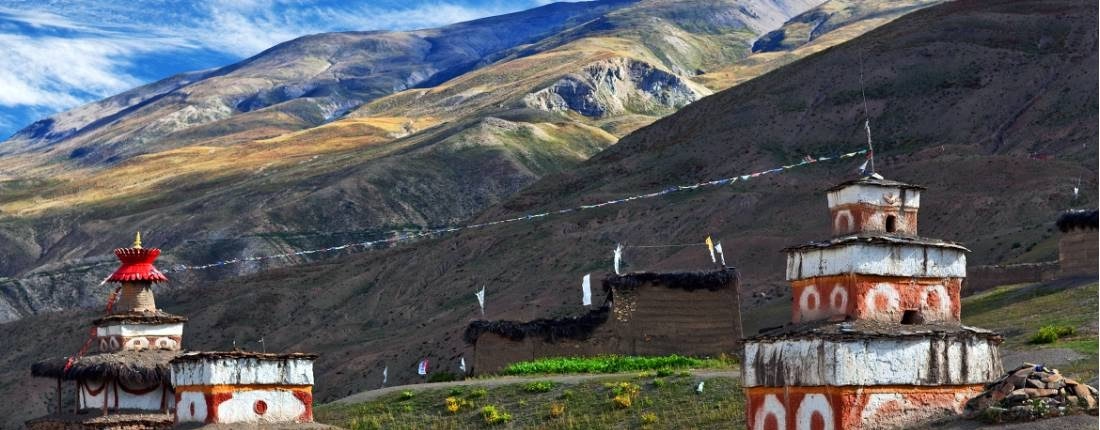
Many believe that Nepal is the country where Everest, Annapurna, and Manaslu are where you can go on the adventurous Himalayan wilderness holiday! It is totally wrong! There are countless Nepal’s hidden and underrated treks where one can find solace, tranquility, and spirituality in the lap of the mountains and green lush forests. Remote villages, unspoiled grassy meadows, untainted ancient monasteries, and less crowded vantage point are guaranteed in Nepal’s hidden and underrated treks. While publishing this blog, we have maintained the professional decorum that the commercial and face of the Nepalese trekking industry is obviously pillared by the trails of the Everest, Annapurna, Manaslu, and Langtang Region.
The Great Himalayan Trail spans about 1700 kilometers across Nepal from the Kanchenjunga Circuit Trek route to the Hilsa Darchula. In between these sections, there are countless lower altitude and higher altitude sub – trails where you can trek including commercial trails. Please note that the full Great Himalayan Trail starts from Pakistan and ends in Tibet via Nepal which is about 4500 kilometers.
Why does almost everybody flying into Kathmandu end up buying the exact same puffy jacket in Thamel and marching straight toward Lukla? It baffles me. You’ve got eight hundred kilometers of jagged Himalayan spine stretching across this country, yet ninety percent of visitors cram themselves onto just two main footpaths like commuters on a Monday morning bus. Step one valley over and the noise just stops. No helicopters buzzing overhead every twelve minutes, no laminated menus selling yak-cheese pizza, just mud and pine needles and old stone trails where locals actually have time to ask your name. That’s the Nepal we fell in love with at Nepal High Trek.
Why Explore Nepal's Hidden and Underrated Treks?
Few days before, I saw a video over the Hillary Twin Bridge in the Everest Base Camp Trek that people queued to just cross it. Unfortunately, two trekkers had to cramp with the mule caravan carrying gas cylinder. It is all due to sheer popularity of the EBC Trek. Well, this is best for Nepal tourism, but some may prefer a tranquil trail all to themselves.
Ever had to elbow three strangers out of the way just to snap a sunrise photo in Ghorepani Poon Hill (3210 m) or when you are in the Annapurna Base Camp (4130 m)? I have, and honestly, it ruins the whole point of walking into the mountains. When you pick a quiet route instead, nobody treats you like a walking ATM machine. You sit on a low wooden bench near the kitchen fire because that’s the only warm spot in the house, drinking salty butter tea while the grandma of the family pokes the embers and laughs at your terrible Nepali pronunciation. Plus, the money you spend on bed and dal bhat stays right there in the village. At Nepal High Trek, we’d take that over a crowded tourist lodge any day.
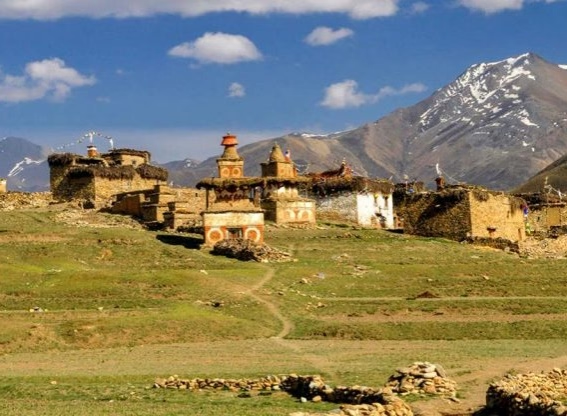
Upper Dolpo Trekking
View detailsWhat Makes a Trek in Nepal Truly Off the Beaten Path?
A trail isn't "remote" just because the Wi-Fi signal drops to one bar in your bedroom. Real backcountry in Nepal usually starts where the blacktop ends—which means you’ll probably spend six or seven hours rattling around the back of a Mahindra Bolero jeep on a dirt track cut into a cliff before you even tie your bootlaces. Then the phone signal dies completely. For the next week, you’re walking on narrow goat tracks that wash out every August, sleeping in smoky farmhouses or two-man tents, and relying on our Nepal High Trek guides because the path splits three ways with zero signposts. Here's the catch: if you hate bucket showers, stay home.
Few years before, the Manaslu Circuit Trek, the Kanchenjunga Circuit Trek, the Upper Mustang Trek, and the Tsum Valley Trek used to be the off the beaten path treks. Nowadays, these treks are slowly becoming commercial and widely popular. Among these treks, the Kanchenjunga Circuit Trek can still be kept under Nepal’s hidden and underrated treks!
Now, let’s find out few things about some trails which are definitely either hidden or underrated treks.
Mardi Himal Trek: A Quiet Alternative to the Annapurna Classics
Okay, I’ll admit Mardi Himal isn't a dead-silent secret anymore—word got out a few years back. Still, if you look down from this high ridge into the Modi Khola gorge where hundreds of hikers are trudging step-by-step toward Annapurna Base Camp, you’ll feel pretty smart about your life choices. The first couple of days wind through dark, wet oak and rhododendron woods that smell like damp moss. Then the trees just quit around Badal Danda. Suddenly you’re walking along a grassy knife-edge with Machhapuchhre’s fishtail peak sitting so ridiculously close it looks fake. Five days from Pokhara with Nepal High Trek, and your legs aren't even trashed.
Tsum Valley Trek: Discovering the Hidden Valley of Happiness
Back in 1920, a Buddhist lama stood up in Tsum and got every single village to sign off on a strict law: no hunting, no fishing, no slaughtering farm animals, period. That rule still holds today. You turn right off the busy Manaslu path, squeeze through a steep pine gorge, and walk straight into a high borderland where wild blue sheep graze thirty feet off the trail because nobody has ever thrown a stone at them. It feels weird at first. Good weird, though. Up near Mu Gompa at 3,700 meters, you can get the feeling of being in another world. Furthermore, the trail can also go further away to the Ganesh Himal Base Camp which is another best Nepal’s hidden and underrated treks.
Nar Phu Valley Trek: Exploring Nepal's Forgotten Himalayan Villages
If you are in the journey of the Annapurna Circuit Trek, then you may have noticed Koto Village. Yes, this is the trail head of the Nar Phu Valley Trek. If they did, they’d spot a tiny canyon entrance barely wide enough for a loaded mule—and that’s the door into Nar and Phu. This place didn't even allow foreigners in until 2002. You climb for two days beside a roaring river through narrow rock walls before popping out into a dry, brown world of stacked stone houses that look glued to the cliffs. The Khampa folks living up here are tough as nails. Once we cross the 5320 Kangala Pass, we will again rejoin the commercial Annapurna Circuit Trek with Tilicho Lake trail in the Ngawal Village near Manang.
Ruby Valley Trek: An Undiscovered Gem Between Langtang and Manaslu
Pull up a map of central Nepal and look right between Langtang and the Manaslu trail. See those big white peaks of the Ganesh Himal? Almost nobody goes there, which is wild considering how close it sits to Kathmandu. Instead of proper tourist lodges with painted signs, you stay in simple Tamang and Gurung family homes where chickens wander across the porch and dinner comes straight out of the garden patch out back. Please note down that local people are slowly arranging proper touristic facilities. Therefore, homestay tours, motorbike tours, and trekking activities are slowly increasing. The climb over Pangsang Pass at 3,842 meters is a proper trekking exercise. That said, soaking in natural riverside hot springs the next afternoon fixes every sore muscle you earned on the way up.
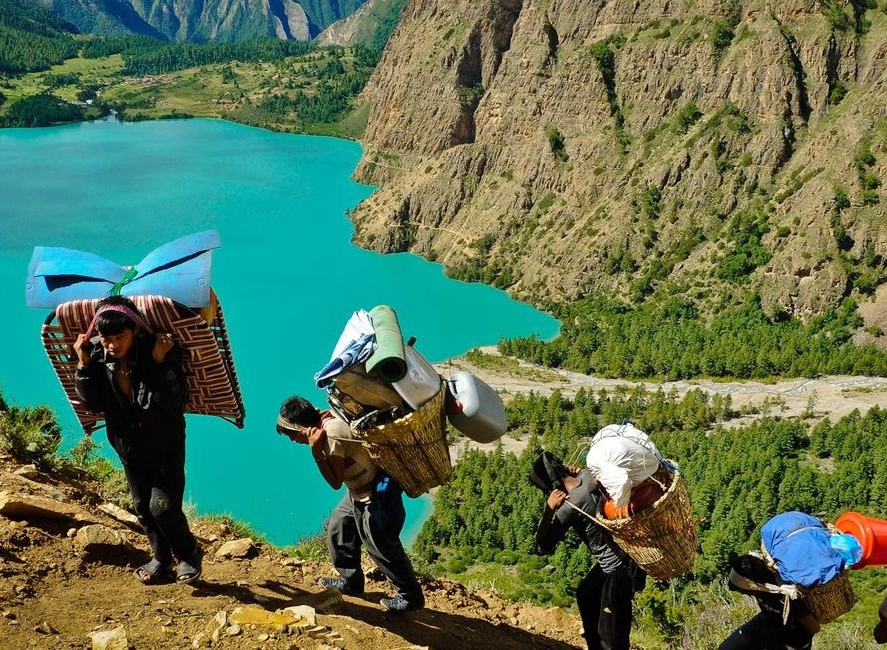
Lower Dolpo Trekking
View detailsMohare Danda Trek: A Peaceful Alternative to Ghorepani Poon Hill
Well, Mohare Danda is the neighbor of the famous Ghorepani Poon Hill. Interestingly, there are two ways to do this trail. The best is obviously from the typical Magar villages like Banskharka and Nangi. Therefore, it is also called as the community lodge trek.
Poon Hill surely provides great view, but standing shoulder-to-shoulder with two hundred shivering tourists while everyone fights for a selfie spot near the watchtower gets old pretty quick. Walk just a bit further south along that exact same ridge and you hit Mohare Danda at 3,300 meters. You get the same huge wall of Dhaulagiri and Annapurna South turning pink at dawn. The difference? Last time our Nepal High Trek crew went up, there were six people on the whole hill, and every rupee from the eco-lodges goes straight to the local village school fund.
Panch Pokhari Trek: Exploring the Sacred Alpine Lakes of Sindhupalchok
On a clear October morning in Kathmandu, you can stand on any flat roof, look northeast past the city smog, and stare right at the snow ridges of Jugal Himal. Yet trekking agencies act like the place doesn't exist. Unless you show up during the August Janai Purnima full moon when thousands of Hindu pilgrims and Tamang shamans hike up in the rain beating frame drums around five freezing glacial ponds you’ll have Panch Pokhari at 4,100 meters entirely to yourself. It’s rough up top. Just a couple of tin-roofed pilgrim sheds, cold mountain wind, and huge views that feel shockingly close to home.
Dudh Kunda Trek: A Hidden Pilgrimage Beneath Mount Numbur
Forget the white-knuckle flight into Lukla for a second. If you hop in a jeep heading toward lower Solukhumbu instead, you can walk straight up to the base of Numbur Himal a steep white pyramid that local Sherpas worship as their protective deity. Right under its southern ice wall sits Dudh Kunda at 4,560 meters, a holy lake filled with glacial water so milky and opaque it looks like somebody dumped chalk into the basin. Nobody builds fancy teahouses that high up on a pilgrimage route. You sleep in tents, our Nepal High Trek cook keeps the ginger tea flowing, and you wake up to dead silence.
Pikey Peak Trek: Discovering the Less-Traveled Side of the Everest Region
Sir Edmund Hillary walked pretty much every ridge in the Khumbu during his life, and he still told people that the sunrise from Pikey Peak was his personal favorite view of Mount Everest. Coming from the guy who stood on the actual summit first, that means something. At 4,065 meters, this windy hilltop in lower Solu gives you a clean sweep from Dhaulagiri in the west all the way to Kanchenjunga on the eastern border provided the morning clouds behave. Plus, you don't have to worry about altitude sickness wrecking your trip on day three. Just pine woods, old yak cheese sheds, and quiet Sherpa villages. Reach to Jhapre and start the trek as the accessibility is also easy from Kathmandu.
Khopra Danda Trek: A Quieter Alternative to Annapurna Viewpoints
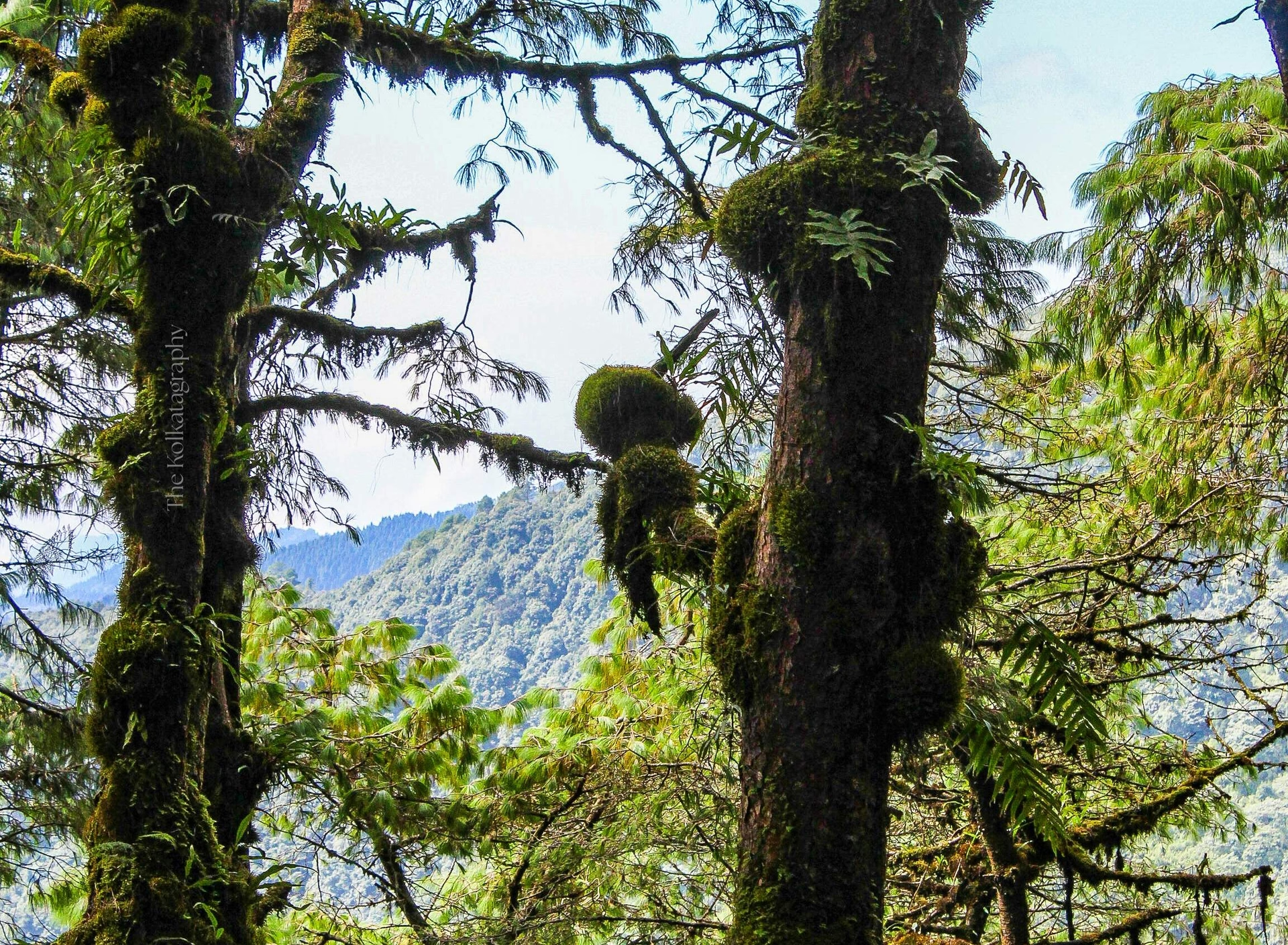
Most folks hiking around Ghorepani stick to the main stone staircase because that’s where all the big guesthouses are. Big mistake. Branch off north toward Khopra Ridge at 3,660 meters, and you end up sleeping on a high grassy cliff edge that drops straight down into the Kali Gandaki gorge while Dhaulagiri fills the entire sky across from your bedroom window. Now, if you’ve got stubborn legs and don't mind an early alarm, our Nepal High Trek guides will walk you up to Khayer Lake at 4,660 meters. It’s a long, cold slog up open yak pastures—maybe nine hours round trip—and totally worth the blistered toes.
Kanchenjunga Circuit Trek
View detailsGuerrilla Trek: Walking Through Nepal's Remote Western Landscapes
For ten years between 1996 and 2006, nobody went hiking in the hills of Rolpa, Rukum, or Myagdi unless they were carrying a rifle. This rugged pocket of western Nepal was the core heartland of the Maoist insurgency, completely cut off from the tourist economy that made Everest and Annapurna rich. Walking the Guerrilla Trek today through Dhorpatan Hunting Reserve feels like stepping into a part of the country that time skipped over. Kham Magar farmers will literally pause their plowing just to ask your guide why a foreigner is walking past their stone house, all while Dhaulagiri’s massive back wall gleams above the oak forests.
Limi Valley Trek: Exploring the Isolated Himalayan Villages of Humla
Humla is a mission just to reach. You fly to Nepalgunj down on the hot Indian border, wait for good weather to catch a tiny plane into Simikot, and then start walking north toward Tibet through canyons where barely fifty foreign trekkers set foot in a whole year. The three old stone villages in the Limi Valley Til, Halji, and Jang feel older than Nepal itself. Up at Halji’s eleventh-century monastery, villagers still speak a Tibetan dialect and guard their fields from snow leopards. Then you climb Nyalu La at nearly 5,000 meters, look north, and spot Mount Kailash sitting right across the border without needing a Chinese visa.
Lower Dolpo Trek: Discovering Nepal's Untouched Trans-Himalayan Wilderness
Nothing prepares your eyes for the color of Phoksundo Lake. You walk for days through dry, brown gorges north of Dhaulagiri where the monsoon rains never reach, and suddenly there’s this massive sheet of water so deeply turquoise it looks like melted blue glass poured between bare yellow cliffs. Lower Dolpo isn't a casual teahouse stroll, though. Once you leave the ancient Bon-Po village of Ringmo behind, you’re in serious high country crossing Numa La at 5,309 meters and Baga La right after it.
That’s why Nepal High Trek runs this route with a full mule crew and camp kitchen; you need real food up in that thin air if you are traveling to Shey Gompa and further wilderness areas. If not, you can get basic facilities in this trail.
Api Base Camp Trek: Exploring the Far Western Himalayas
Go ask ten trekking guides hanging out in Thamel if they’ve ever been to Mount Api, and I bet nine of them will shake their heads no. Sitting way out in the far-western corner of Darchula district near the Indian border, this 7,132-meter giant gets ignored for one simple reason: getting to the trailhead takes two long days by bus or jeep from Kathmandu. Out here, tourism hasn't changed a single thing. You pitch tents beside the Chameliya River, trade greetings with nomadic Byansi families moving their sheep down for winter, and stare up at huge white ice faces without another tent for fifty miles.
Besides Api Base Camp Trek route, you can also choose to do the Saipal Base Camp Trek. These two treks are being promoted by newly formed government too. The local rural municipality and Far Western Province Tourism Office have coordinated together to build local tea houses and eateries along the way. Therefore, now is the time to explore these two Nepal’s Hidden and Underrated Treks!
Makalu Base Camp Trek
View detailsSailung Trek: A Short Himalayan Escape Beyond the Popular Routes
Not everybody wants to suffer at five thousand meters with a splitting altitude headache just to see some snow peaks. If you only have five or six days free and want something gentle east of Kathmandu, hop on a jeep toward Dolakha and walk up Sailung. The local name means "a hundred hills," which makes total sense the second you pop above the pine trees at 3,146 meters and see dozens of soft, grassy mounds rolling across the ridge. On a clear November morning with Nepal High Trek, you can sit on the frost-covered grass drinking black tea and trace the horizon from Dhaulagiri all the way past Everest. Do you wish to walk on the Great Wall of Nepal? It may sound so weird but yes there is a wall in this trail that resembles the Great Wall of China.
Mundum Trail: Experiencing the Culture and Landscapes of Eastern Nepal
Why spend four days sweating at the bottom of a dark river canyon just to get two hours of mountain views at the end? That’s the beauty of the Mundum Trail out in eastern Nepal’s Bhojpur and Khotang districts you climb up onto an open, grassy ridge almost right away and stay up in the sky for days. This is Kirat Rai country, where ancient oral traditions called Mundum tie every rock, spring, and bamboo grove to ancestor stories. All day long as you walk toward 4,155-meter Silichung Peak, the big eastern monsters Everest, Lhotse, Makalu, and Kanchenjunga sit right out in the open air beside you.
How to Choose the Right Hidden Trek Based on Your Experience and Fitness?
Be straight with yourself about how much adventure you are willing to endure and you actually find fun before you pick a trail off this list. Look, walking five hours a day between warm homestays on Mohare Danda or Pikey Peak is totally fine for any regular person who jogs twice a week or takes the stairs at work. Crossing a 5,300-meter snow pass in Nar Phu or Lower Dolpo when you’re four days away from the nearest dirt road? Different story entirely.
Choose the trail only after careful planning with experienced travel planners. For this, make sure to talk in detail with the experts of the Nepal High Trek. Remember that you can get experts from all the region as our team members are from the local region where trek happens. This is the main reason why you will get best travel advice and the Nepal High Trek is the best local based trekking company.
Best Seasons to Explore Nepal's Lesser-Known Trekking Destinations
Everybody aims for October and November, and honestly, I can't blame them as the summer rain washes all the brown dust out of the sky and the weather stays dry for six weeks straight. Spring (March and April) comes in a close second, especially on mid-elevation walks like Mardi Himal, Ruby Valley, or the Mundum Trail where the old rhododendron trees explode in red and pink flowers. Don't cancel your ticket even in the monsoon season. You can ust head north behind the main Himalayan wall into Upper Limi or Lower Dolpo, where the giant peaks block the monsoon clouds and the summer pastures turn green.
What to Expect from Accommodation, Food, and Facilities on Remote Treks?
Leave your picky eating habits back in Kathmandu. Once you wander off the main Everest and Annapurna highways, you won't find attached bathrooms, electric blankets, or bakeries selling stale cinnamon rolls at four thousand meters. You’re sleeping in basic family houses with plywood walls or inside a two-person tent pitched by our Nepal High Trek crew on a flat patch of yak pasture. Dinner is dal bhat steaming rice, lentil soup, and spicy mustard greens cooked over firewood pretty much every night. Honestly, after seven hours of climbing with a pack on, you’ll ask for seconds anyway. Bring a heavy power bank, too, because wall outlets are rare.
Well, trekking in Nepal’s commercial and mainstream trails can never go wrong! You get established itinerary and facilities are on par! For more wilderness adventure, you can always go for these Nepal’s hidden and underrated treks.
Nepal High Trek
Travel writer and passionate explorer sharing stories and expert guides from the heart of the Himalaya.