


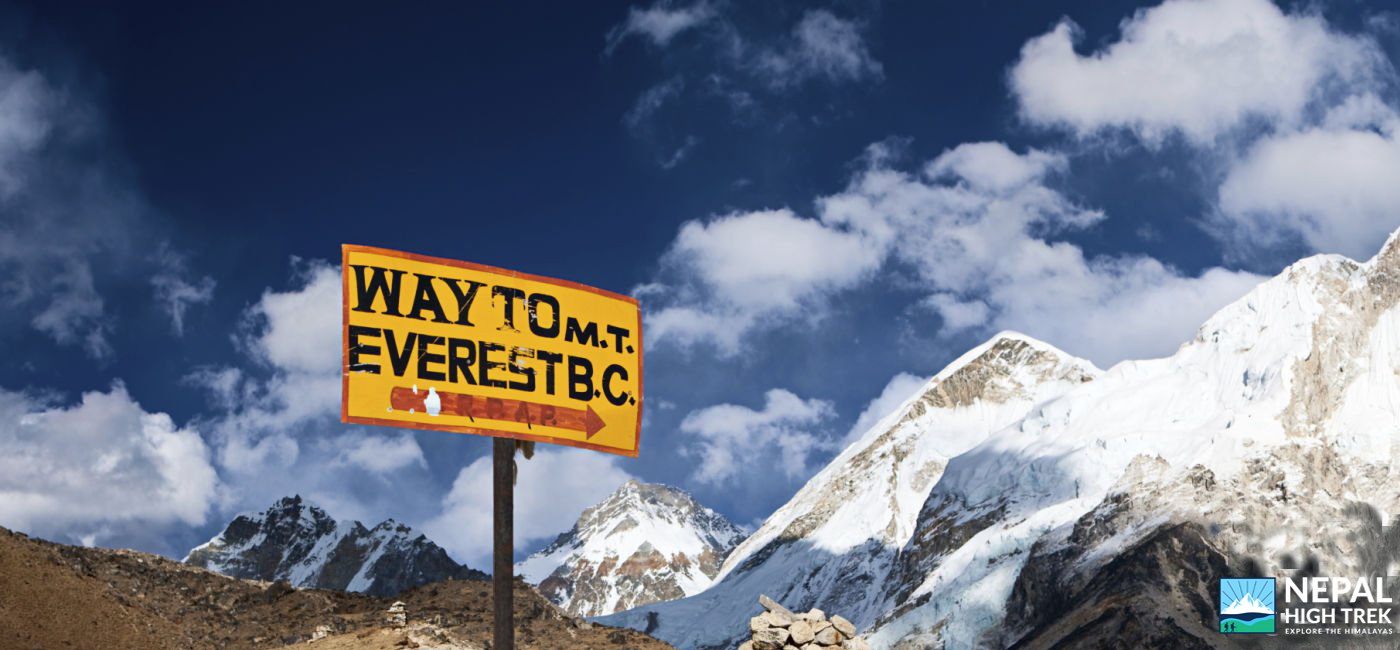
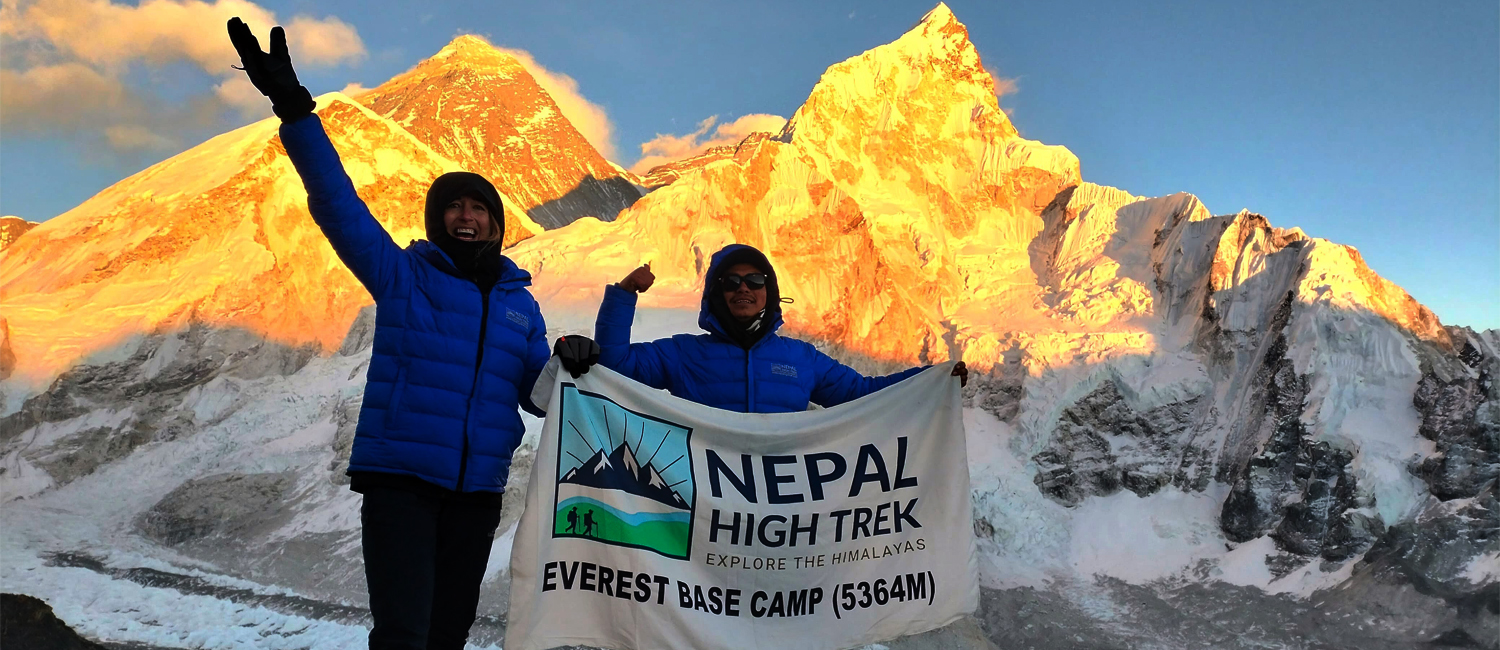
Do you have dream of reaching the soaring heights? If yes, Mt. Everest is the place in earth where you get chance to leave your footprints at top of the world. However, the journey is never easy. It requires immense physical fitness, endurance, mental strength, cardio – vascular abilities, and professional support crew members. So, how to feed our ego of being in the superlative place of the world. The best way is by at least reaching the foothill of the world’s tallest mountain Mt. Everest. Yes, Base Camp Everest Trek is the best activity to knit mesmerizing travel tale of exploring an abode of Mt. Everest.
Nepal High Trek is one of the leading trekking company based in Kathmandu. The companies major holiday packages are trekking trips of the Everest region, Annapurna region, Langtang region, and wilderness trekking region of Nepal. Therefore, we always believe in providing authentic information to our valued clients. Our blogs aim to fill the information gap about traveling in Nepal. Please follow our blogs continuously to know authentic and lively information about holidaying in Nepal. Today’s blog is about understanding different key aspects of Base Camp Everest Trek.
For years, the Everest Base Camp Trek has been the face of Nepalese Tourism Industry. The route is home of countless trekking peaks, Sherpa villages, mountain passes, and towering mountains. Therefore, the region hosts plethora of holiday activities like trekking, helicopter tours, festival treks, peak climbing, and expedition. In fact, the trail is the heart of Khumbu and lifeline of the Sherpa People.
Before delving further into finding lots of aspects of the Everest Base Camp Trek, let’s know more about different base camp treks in Nepal. Everyone knows that Nepal is the home of snowy mountains. It is one of the serene place to enjoy trekking activities.
Different Base Camp Treks in Nepal
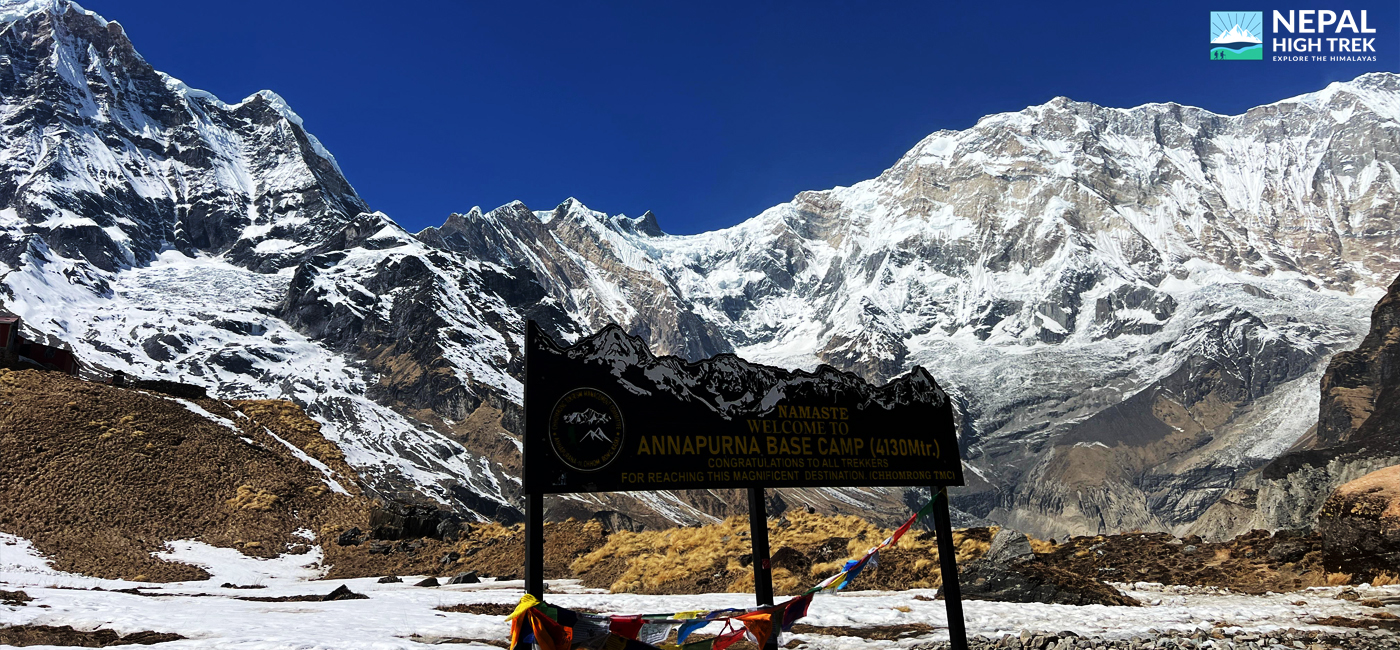
Mountains are calling! This famous quote applies perfectly in Nepal. 8 out of 14 eight thou-sander mountains are here in this beautiful Himalayan country. Reaching to its foothill has become the number one trekking activity that provides wilderness adventure as well as sense of accomplishments to travelers. The famous base camp treks in Nepal, besides the Base Camp Everest Trek are the Annapurna Base Camp Trek, Kanchenjunga Base Camp Trek, Manaslu Base Camp Trek, Makalu Base Camp Trek, Api Himal Base Camp Trek, etc. Let’s now analyze the key aspects of the Everest Base Camp Trek.

Key Aspects of Base Camp Everest Trek
There are lots of attention across the globe on the Everest Base Camp Trek route. In fact, it is the epitome of all trekking adventures. Moreover, the journey of the EBC Trek can also be termed as the Lhotse Base Camp Trek. Interestingly, Mt. Lhotse and Mt. Everest share the common base camp. From trail head to trek route and from accommodation/meals to trekking distance, the blog will tell you all important information regarding the Everest Base Camp Trek.
Starting Point
The trail head of the Everest Base Camp Trek in Nepal is Lukla. In the classical Everest Base Camp Trek journey, the starting point of the trek is Jiri village. Nowadays, people use the route of the Salleri and Phaplu. The road network is also improving day by day and recently the road has reached the Surke village. This village is just about 1 hour from Lukla. Therefore, you can call places like Jiri, Salleri, Phaplu, Surke, and Lukla as the starting point of the trek. After the construction of the Tenzing Hillary Lukla Airport, the scene of Everest trek changed astronomically. It takes about 30 to 35 minutes of flight to reach Lukla from Kathmandu. The cost of the Lukla flights is about 440 $ to 450 $ for two way flight.
Trek Route
The route of the Base Camp Trek in Nepal encompasses legendary villages. Normally, trekkers have to trek through places like Phakding, Namche Bazaar, Tengboche, Dingboche, Lobuche, and Gorakshep to reach Everest Base Camp. All these places are overnight places and two places are for additional night as part of the acclimatization process. The trail is well trodden as it is one of the major commercial trekking routes of Nepal. Travelers can observe lots of Sherpa villages, monasteries, suspension bridges, glacier, moraines, diverse vegetation (temperate – alpine – tundra), and wildlife throughout the trek route.
High Altitude and Acclimatization
The biggest hindrance for safe trekking trip in the high – altitude places is the risk of altitude sickness. It is same with the base camp Everest Trek. However, you can easily avoid such fate by diligently performing acclimatization activities. The first acclimatization is at the Namche Bazaar. The purpose of this acclimatization is to prepare trekkers for easy trekking beyond 3500 m and below 4400 m altitude places. Hike to the world’s highest situated hotel the Everest View Hotel along with the exploration of Khumjung Village, is so scenic. Don’t skip this scenic yet equally important acclimatization hike.
The second acclimatization activity which is also crucial for successful trek to the Everest Base Camp is at Dingboche village. At an altitude of 4400 m, trekkers begin the hike to the top of the Nagarshan Hill (5100 m). Preparation for easy stay above 5000 m altitude is achieved by the hike.

Key Destinations
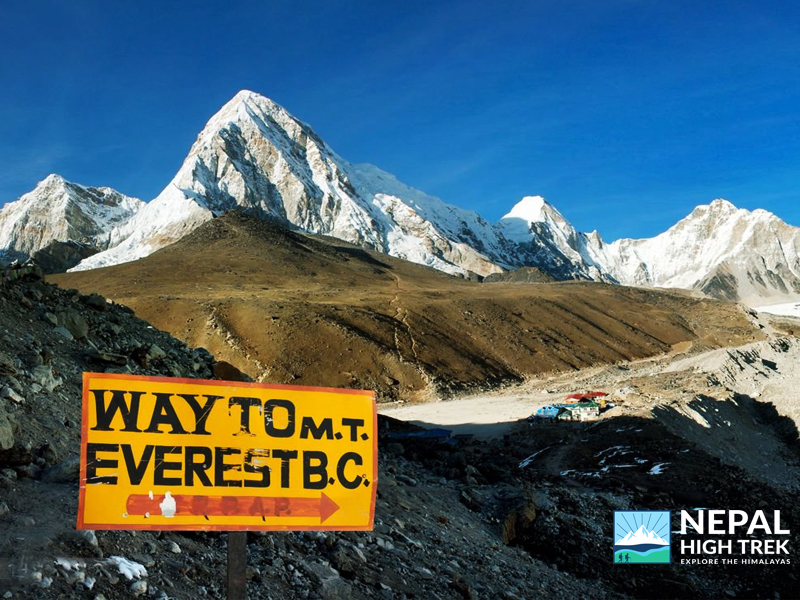
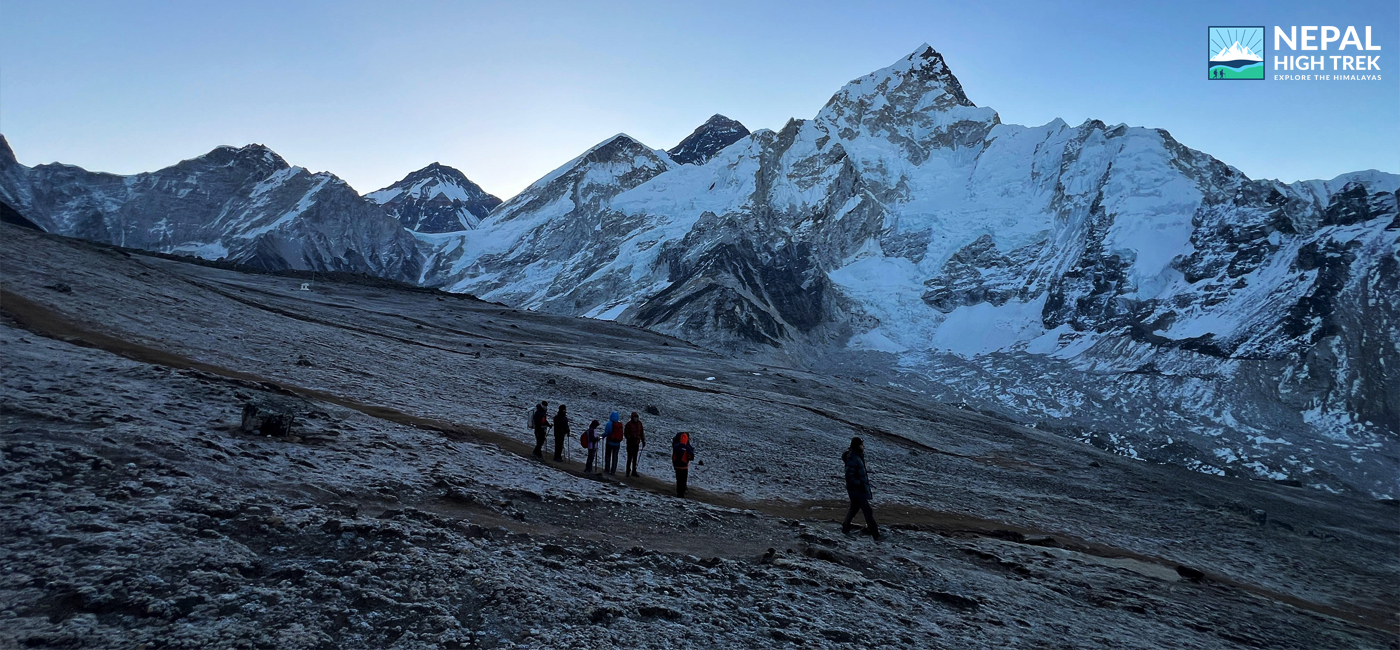
The Everest region of Nepal is the area of superlative things and records. Therefore, you should note down key destinations which you should not miss during the Everest Base Camp Trek journey. Famous places or the key destinations on the EBC Trek route are Lukla, Sagarmatha National Park entry Gate in Monjo, Hillary Twin Bridge, Namche Bazaar (Major marketplace of Khumbu), Everest View Hotel, Khumjung Village, Shyangboche Airport, Tengboche Monastery, Pangboche, Dingboche, Thukla Pass, Lobuche, Kalapathar, Gorakshep, and Everest Base Camp. All these places are the witness of legendary trips taken by the legends of mountaineering.
Cultural Immersion
Trekking in Nepal is not only about mountains and diverse landscapes. It is also about people. Moreover, every trekking trips in Nepal provides enticing and eye opening moment that offers chance to witness great harmony between nature and people. In the Everest region of Nepal, trekkers get chance to understand the traditions and culture of Sherpa people. These people are known for their mountaineering prowess. They are known globally as the front runners in the field of climbing mountains. Observe them in their own courtyard. Immerse into their traditions. From fluttering flags to earthly smell of incense coming out of spiritual monastery provides the mystical aura of the place.
Trekking Duration and Trek Distance
The total duration to do the Everest Base Camp Trek in Nepal ranges according to the trekking preferences. Normally, it takes about 12 to 14 days to complete the trip including arrival and departure days. However, it is now possible to do in less than 10 days. Plan out the trip according to your preferences. Note down that the total trekking distance of the EBC Trek is about 130 kilometers for the round trip. In spring Everest Base Camp Trek by road also possible but you you have to accept the long adventure drive to complete the adventure.
Trek Permits
Get the Sagarmatha National Park Entry permit in Monjo at the park entrance gate. It costs NRs. 3000 to foreigners and NRs. 1500 to SAARC nationals. The Pasang Lhamu Rural Municipality entry permit is also needed for the trek that costs NRs. 2000. You can get the local permit at the starting point of the trek in Lukla.
Accommodation and Meals
Don’t worry about the availability of accommodation and meals during the trek. Enjoy different options ranging from luxury mountain lodges to basic tea houses. Eateries and shops are enough in the trekking trail. Please note that beyond Dingboche, you can get lodging and eating facilities in Thukla, Lobuche, and Gorakshep only. Allocate 10 $ to 50 $ per night in an average for lodging and allocate 35 $ to 55 $ per day for hearty meals.
Best Time for Trek
Months of spring season (March – May) and autumn season (September – November) are best times for the trek. However, proper planning and traveling with the experts can help you do the trek in winter season (December – February) as well. Interestingly, skies are clear in winter season as well like in the spring and autumn season. The blogger strongly recommends you to avoid monsoon season especially late June and July. The trek is okay during early June and late August of the monsoon/summer season.
How to Prepare for Everest Base Camp Trek?
Physical preparation and mental preparation are crucial aspect of the Everest Base Camp Trek in Nepal. Build up cardio – vascular abilities and fitness level at least one month prior to the trek. Do regular exercises like running, walking, swimming, and cycling. Refrain from consuming greasy foods and alcohol. Prepare your mind in such a way that you can endure walking for about 6 to 7 hours daily in the high – altitude places. The weather conditions of these terrain change unpredictably. So, expect unforeseen events during the trek. Buy the travel insurance that covers rescues in the places above 5000 m altitude. Contact the reliable trekking agencies like the Nepal High Trek to manage your trek.
These are the key aspects of the Base Camp Everest Trek in Nepal. For more blogs like this, please subscribe our news letters and be in contact with our travel bloggers or travel planners.
 Nepal High Trek & Expedition Pvt. Ltd.
 Explore The Himalayas


