


Today’s blog is slightly different than our regular blogs. We are covering the Sherpa and Everest Climbing Cost on this blog. It is the well known fact climbing Mount Everest (8848.86 m) is expensive and it is also well known across the globe that climbing Everest without Sherpa is nearly impossible. Therefore, this blogger is trying to provide the brief idea about the overall costs to climb the world’s tallest mountain Mt. Everest.
Sherpa support is one of the most important components of Everest climbing costs. Hiring Sherpas ensures safety, efficiency, and logistical support throughout the expedition. The cost associated with Sherpas includes wages, bonuses, insurance, equipment, food, and oxygen support. Since Sherpas work in extremely dangerous conditions, they are paid for their expertise and risk.
Why Climbing Mount Everest Is So Expensive?
Climbing Mount Everest is expensive due to the extreme logistics, risks, and resources required to reach the world’s highest peak. Unlike regular trekking, Everest expeditions take several weeks and involve transporting tons of equipment, food, oxygen cylinders, and safety gear to remote high-altitude camps. Climbers must also pay significant government permit fees, hire experienced guides and Sherpas, and arrange specialized insurance and emergency rescue plans.
High-altitude conditions demand advanced gear, supplemental oxygen, and medical support, all of which increase costs. Additionally, expedition companies invest heavily in route preparation, weather forecasting, and fixed rope installations. The combination of safety requirements, skilled manpower, and harsh environmental challenges makes climbing Everest one of the most expensive adventure experiences in the world.
Role of Sherpa in Everest Expeditions
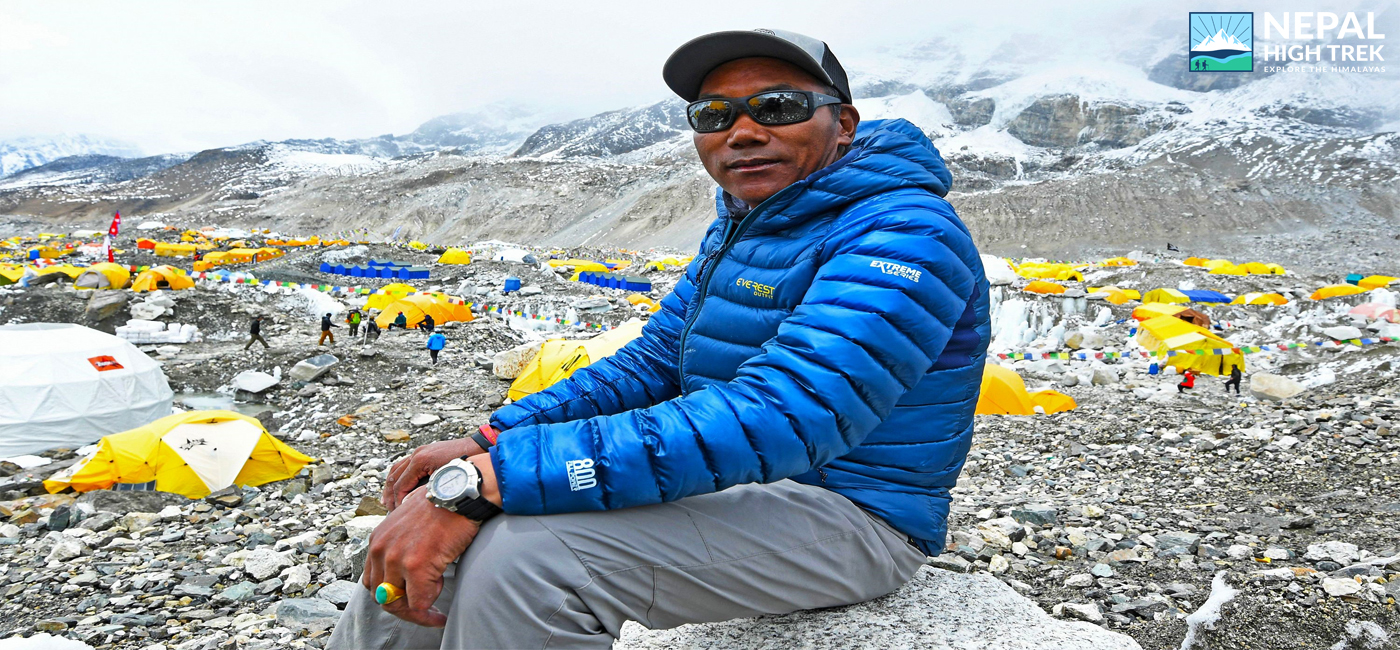
Sherpas play a vital role in the success and safety of Everest expeditions. As highly experienced high-altitude workers, Sherpas assist climbers by carrying heavy loads, setting up camps, fixing ropes, and guiding routes through dangerous sections like the Khumbu Icefall. Their deep knowledge of mountain weather, terrain, and altitude conditions helps minimize risks for foreign climbers.
Sherpas also manage logistics such as food supplies, oxygen distribution, and camp maintenance throughout the expedition. In emergencies, they are often the first responders, helping injured or exhausted climbers descend safely. Without Sherpas, most climbers would struggle to reach the summit, making their contribution indispensable and a significant factor in Everest climbing costs.
Cost of Hiring a Sherpa and Everest Climbing Cost
The cost of hiring a Sherpa for Everest climbing typically ranges from several thousand to over ten thousand dollars per climber, depending on experience and expedition type. Personal Sherpas, who provide one-on-one support, are more expensive than shared Sherpa services. These costs include base salary, summit bonuses, life insurance, food, gear, and oxygen usage. Sherpas also spend weeks acclimatizing and working above 8,000 meters, which adds to their compensation. While budget expeditions may offer fewer Sherpa services, premium expeditions often include multiple Sherpas per climber. Investing in skilled Sherpa support greatly enhances safety and increases the likelihood of reaching the summit successfully.
Average Cost: 5000 $ to 10000 $
Government Permit Fees for Mount Everest: Nepal Government Hiked the Permit Price
Government permit fees are a major fixed cost of climbing Mount Everest. Climbers must obtain an official permit from the Nepalese government, which costs tens of thousands of dollars per person. This fee grants legal access to the mountain and contributes to route management, environmental protection, and government revenue. The permit fee alone can account for a large portion of the total expedition budget. In addition to the climbing permit, climbers may also need to pay for liaison officers, local taxes, and entry fees to national parks. These mandatory expenses apply regardless of expedition style and are unavoidable for anyone attempting to summit Everest.
Permit Cost: 15000 $ Spring, 7500 $ Autumn, & 3750 $ Winter/Monsoon
Equipment and Gear Expenses
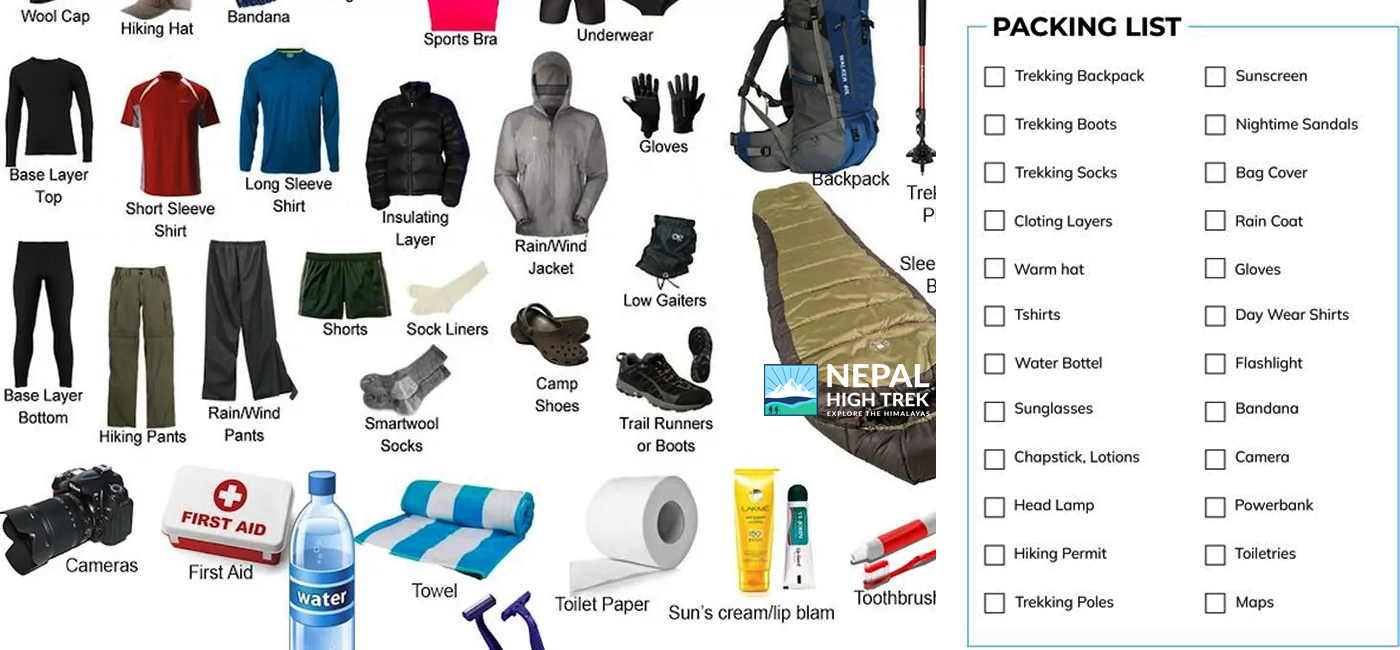
High-quality equipment and gear are essential for surviving Everest’s extreme conditions. Climbers must invest in specialized mountaineering boots, down suits, gloves, helmets, harnesses, sleeping bags, and technical climbing tools. Most of this gear is designed to withstand temperatures well below freezing and strong winds at high altitude.
Average Cost: 8000 $ – 20000 $
Expedition Company and Guide Costs
Expedition companies organize and manage Everest climbs, and their services come at a substantial cost. These companies handle logistics such as transportation, accommodation, permits, Sherpa staffing, route setup, and communication systems. Professional guides provide leadership, decision-making, and safety oversight during the climb. The cost varies depending on whether the expedition is budget, standard, or luxury.
High-end expeditions offer smaller group sizes, more guides, better equipment, and higher success rates. While cheaper options exist, experienced expedition companies often charge more due to better safety standards and support, making this one of the largest components of the total Everest climbing cost.
Average Cost: 30000 $ to 150000 $ per climber
Oxygen, Supplies, and High Altitude Support Costs
Supplemental oxygen is critical for most climbers above 8,000 meters, known as the “death zone.” Oxygen cylinders, regulators, and masks significantly increase expedition costs. Each climber may require multiple oxygen bottles for acclimatization and summit attempts. In addition to oxygen, high-altitude supplies include tents, food, fuel, medical kits, and communication equipment.
High-altitude porters and Sherpas also assist in transporting these supplies to upper camps. The logistics of moving supplies through dangerous terrain add to the overall expense. Reliable oxygen and support systems are essential for safety, making these costs unavoidable for most Everest climbers.
Average Cost: 3000 $ to 6000 $ per climber
Insurance, Rescue, and Emergency Expenses
Insurance and emergency preparedness are critical aspects of Everest climbing costs. Climbers must purchase high-altitude insurance that covers medical treatment, helicopter rescue, and evacuation. Rescue operations in the Everest region are extremely expensive due to altitude, weather, and limited accessibility
Average Cost: 1000 $ to 5000 $ per person
Understanding the full cost breakdown helps climbers plan realistically and prioritize safety over savings. As mentioned above, it costs from 30,000 $ to 150,000 $ + per person to climb Mt. Everest. Besides the climbing of Everest, you can find around the Khumbu region the most popular trek to Gokyo Lake, Three High Passes and the iconic Everest Base Camp Trek.
I hope that you got the proper idea of the Sherpa and Everest Climbing cost through this blog. If you are planning to climb Everest, then make sure to contact this blogger or the travel planners of the Nepal High Trek. We will assist in your pursuit to reach the top of the world’s tallest mountain Mt. Everest (8848.86 m)

 Nepal High Trek & Expedition Pvt. Ltd.
 Explore The Himalayas


